How to draw a lamborghini - a free lamborghini drawing guide
Draw a Lamborghini sports car step by step using simple shapes, rulers, and colored pencils while practicing proportions, perspective, and shading techniques.


Drawing Apps
Photos of Lamborghini drawing examples
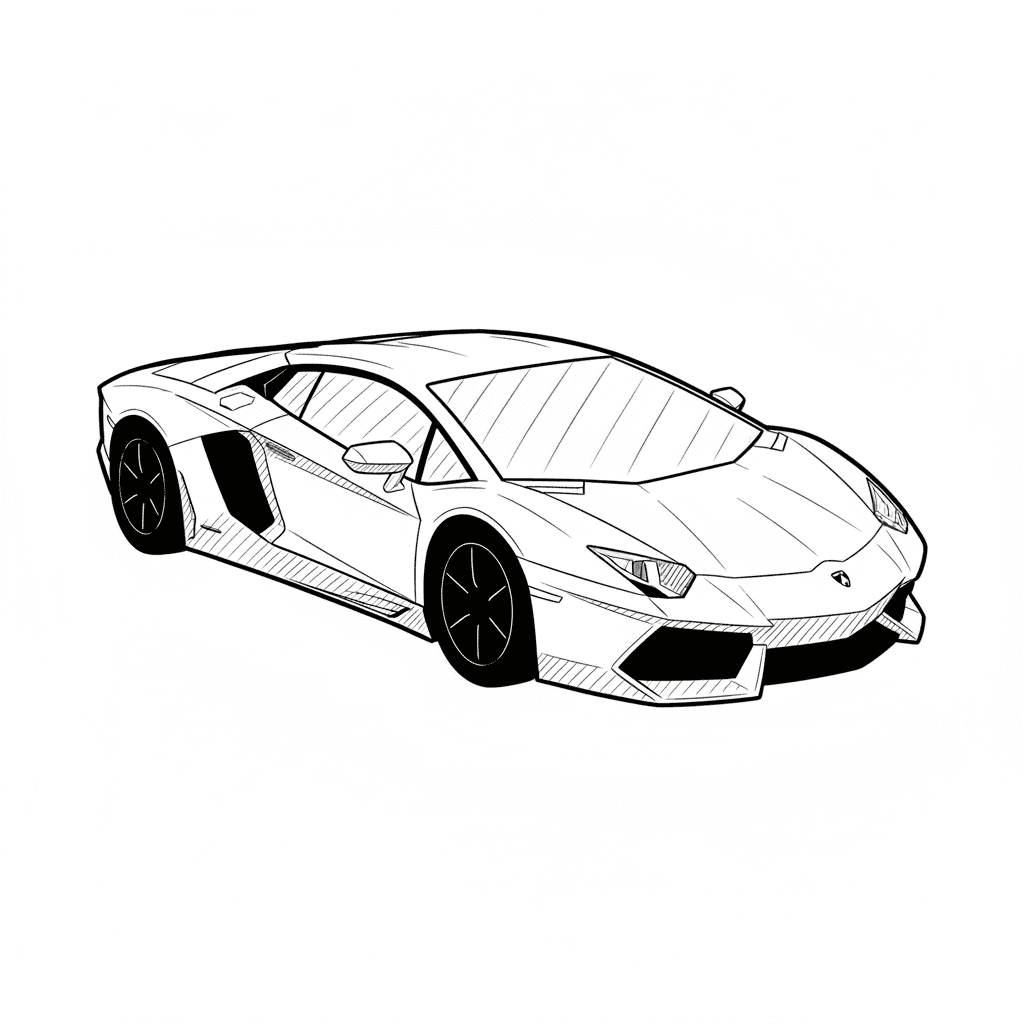
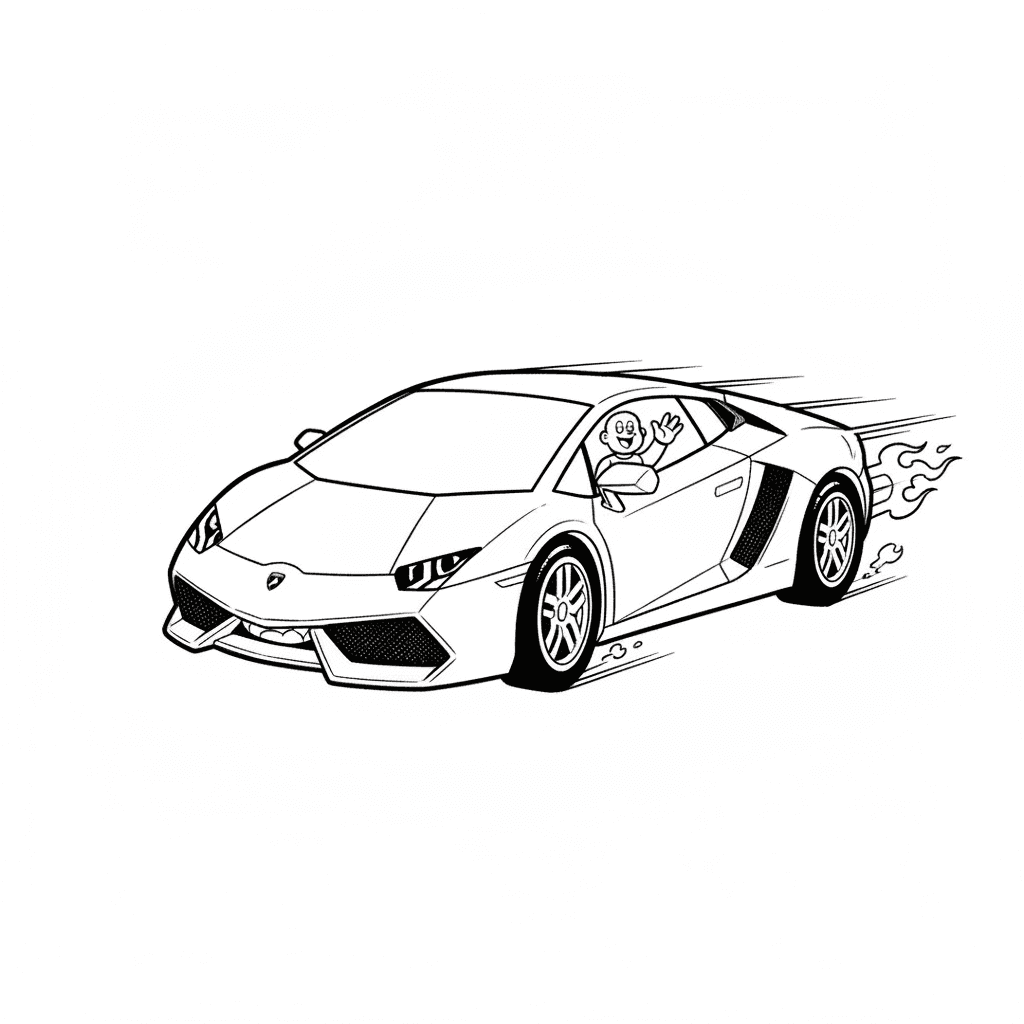
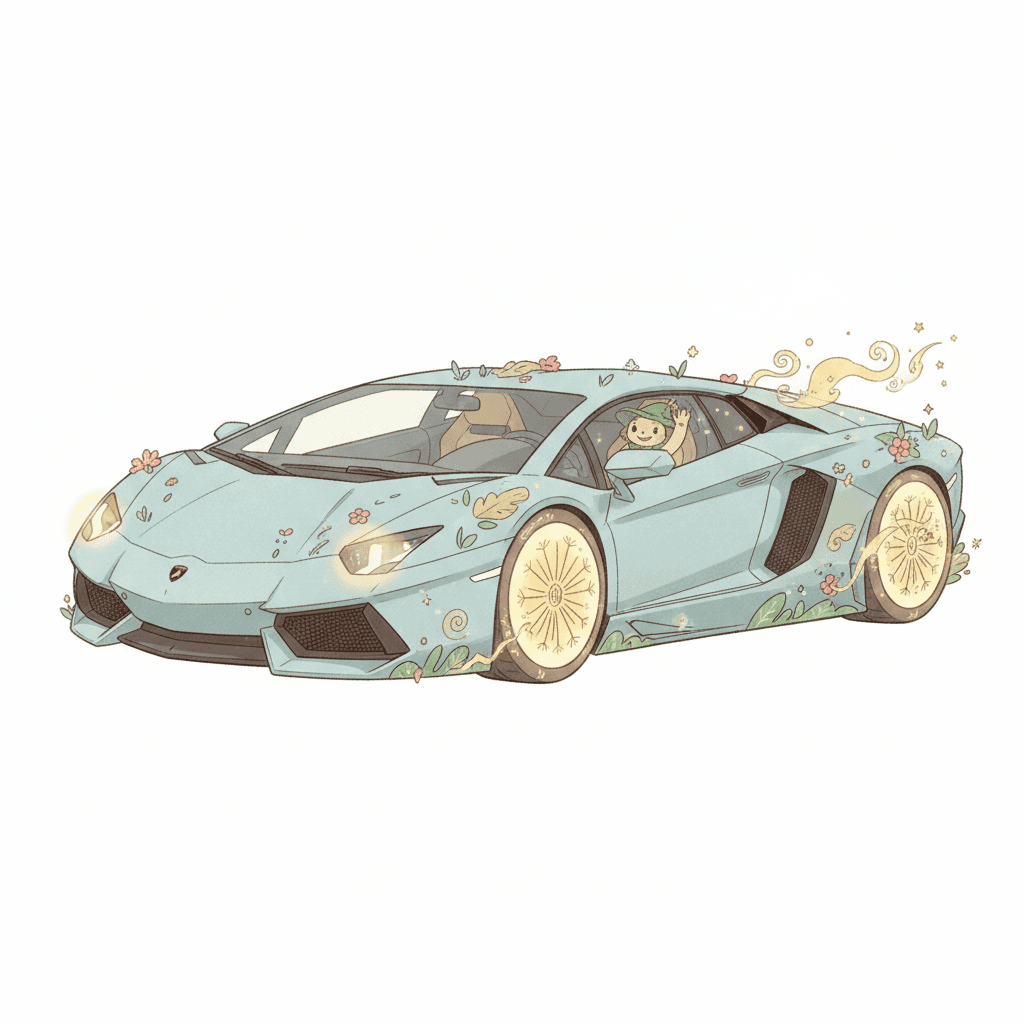
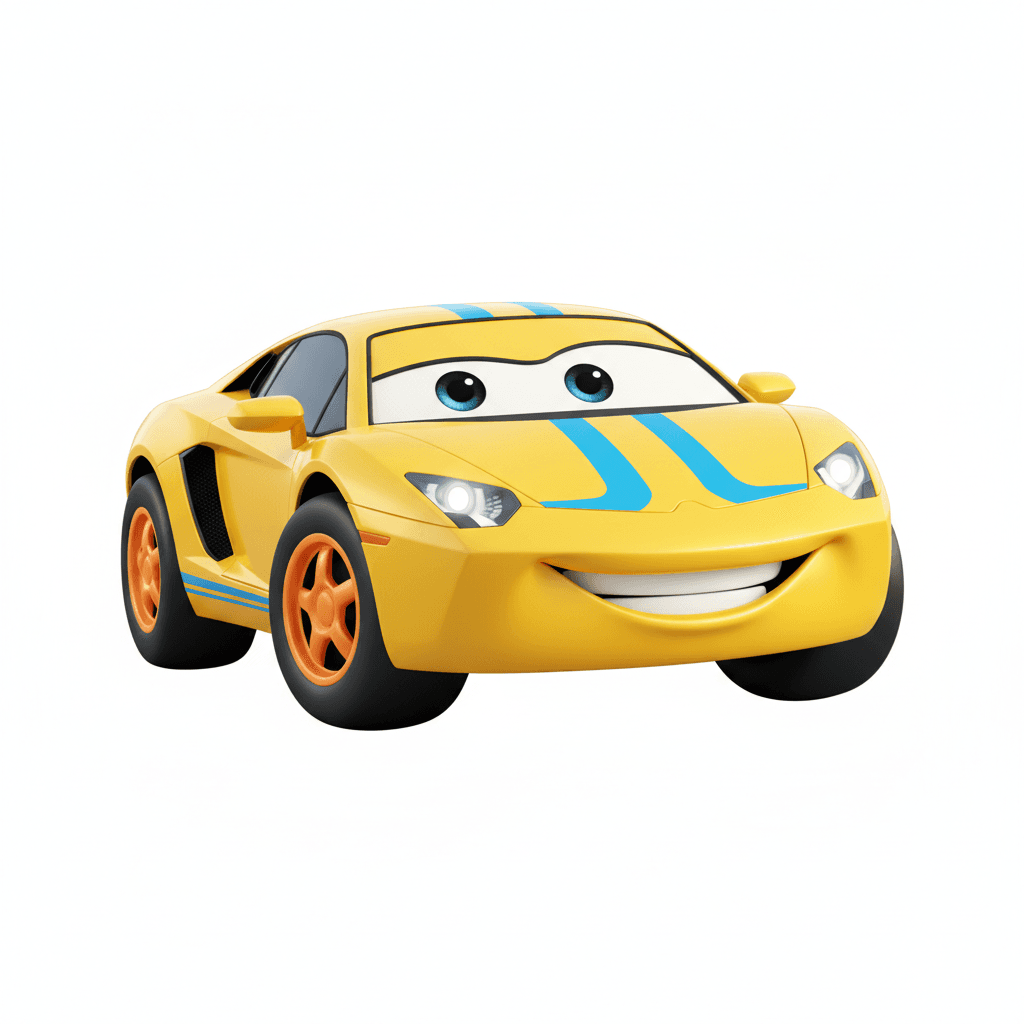

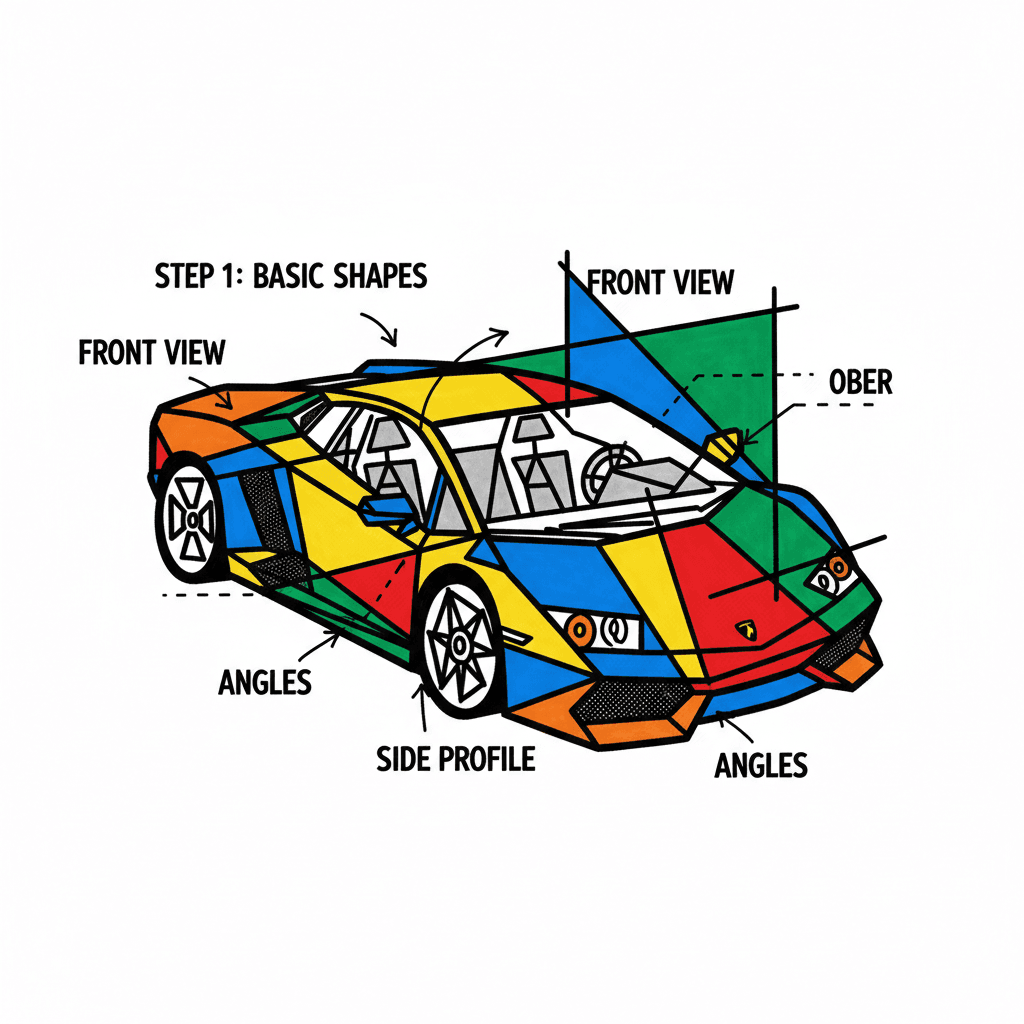
Step-by-step guide to draw a Lamborghini sports car
How To Draw A Lamborghini Huracan (Front View)
Step 1
Clear a flat workspace and lay out all your materials so they are easy to reach.
Step 2
Use your ruler and pencil to draw a light horizontal baseline about one-third up the page for the car's wheels to sit on.
Step 3
Mark two dots on the baseline for the centers of the front and rear wheels spaced far apart for a low sports car look.
Step 4
Draw slightly flattened circles (ellipses) around each dot to make the front and rear wheels.
Step 5
Sketch a long low rectangle above the baseline that stretches between the wheels to form the main body of the car.
Step 6
Draw a trapezoid on top of the rectangle toward the rear to make the cabin and windshield shape.
Step 7
Add tapered lines from the front wheel area toward the nose and from the rear wheel area toward the tail to create a sleek Lamborghini profile.
Step 8
Draw curved wheel arches over each wheel and erase small bits of the rectangle inside the arches so the wheels look set into the body.
Step 9
Draw angular headlights at the front and a low grille line under the nose using straight lines for sharp sports-car details.
Step 10
Add a diagonal door line and a triangular side air intake between the cabin and the rear wheel.
Step 11
Lightly erase your construction guidelines and then darken the clean outer lines of the car to sharpen the drawing.
Step 12
Shade the car with your pencil to show light and shadow by making darker tones where surfaces curve away from the light.
Step 13
Color the car with your colored pencils using smooth strokes and add darker layers for deeper tones and contrast.
Step 14
Share your finished Lamborghini drawing on DIY.org
Help!?
What can we use if we don't have a ruler, colored pencils, or an eraser?
Use a straight edge like the long side of a book or a credit card instead of the ruler to draw the baseline and rectangle, a pen or crayons if you don't have colored pencils, and a tissue or kneaded eraser in place of a regular eraser.
My wheels look uneven or wrong—how can I fix them?
If the wheels look uneven or misshapen, re-check the spacing of the two dots on your baseline, redraw the slightly flattened ellipses lightly with pencil, and follow the step about erasing bits of the rectangle inside the wheel arches so the wheels sit correctly in the body.
How can I adapt this drawing activity for younger or older kids?
For younger children, pre-draw the baseline and wheel-center dots and let them trace the flattened circles and color with crayons, while older kids can refine the trapezoid cabin, add the diagonal door line and triangular air intake, and practice the shading and layered colored-pencil techniques from the later steps.
How can we enhance or personalize the finished Lamborghini drawing?
Personalize your Lamborghini by adding racing stripes or a custom paint scheme using darker colored-pencil layers from the coloring step, drawing a racetrack or background, and adding white-pencil highlights for shine before sharing on DIY.org.
Watch videos on how to draw a Lamborghini sports car
How To Draw A Lamborghini Aventador S (Front View)
4 Videos
How To Draw A Lamborghini Aventador S (Front View)
How to Draw a Lamborghini Car | Easy Outline to an Amazing Finish | Lamborghini Huracán car Drawing
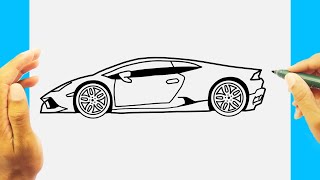
How to Draw a Lamborghini Car Easy Step by Step
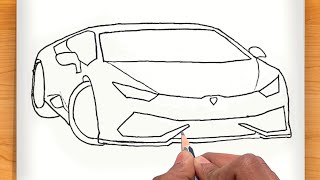
Easy Lamborghini Car Drawing | Only 1 Pencil Needed! 🔥| How To Draw A Lamborghini
Facts about drawing cars and basic sketching techniques
🚗 Lamborghini model names often come from famous Spanish fighting bulls — Aventador, Huracán, and Gallardo follow this tradition.
✏️ Artists block out car drawings with simple shapes (rectangles, circles, triangles) to nail proportions before adding details.
📐 Two-point perspective is ideal for drawing cars at an angle because it uses two vanishing points to show depth and width.
🎨 To make a car look glossy, add strong highlights and deep reflections — small shading changes can make metal look curved.
🕒 Car designers sometimes spend weeks crafting full-size clay models to fine-tune proportions and surfaces before production.
How do you draw a Lamborghini step by step?
What materials do I need to draw a Lamborghini?
What ages is drawing a Lamborghini suitable for?
What are the benefits of drawing a Lamborghini?
