Spotted Crake Facts For Kids
The Spotted Crake is a small, secretive waterbird known for its beautiful speckled plumage and preference for wetland habitats.
Select reading age

Spotted Crake Facts For Kids
Videos & Quizzesincluded
About this topic
The Spotted Crake is a small bird that loves marshy areas! 🐦Found in Europe, Asia, and parts of Africa, these birds are known for their spotted brown feathers that help them hide from predators. They are about 9 to 11 inches long, and their unique calls sound like a series of whistles or clucks! These little birdies have strong legs, perfect for walking through wet grass and floating plants. They usually stay near water and are quite shy, often hiding in the reeds. Learning about the Spotted Crake can help us appreciate the diverse kinds of birds around us! 🌿💧
Explore with ChatDinoKey Points
Spotted Crakes are known for being very shy and secretive!
Spotted Crakes enjoy a tasty variety of foods!
Spotted Crakes are migratory birds!
The Spotted Crake is currently not classified as endangered, but its habitat is something to watch out for!
Although Spotted Crakes are not endangered, they still face some dangers 🐦⚠️.
When spring arrives, Spotted Crakes get busy building nests!
The Spotted Crake has a colorful appearance!
Spotted Crakes have inspired people for many years!
Spotted Crakes love living in wet places called wetlands!
Photos of Spotted Crake
Spotted Crake — photo 1
Spotted Crake — photo 2

Spotted Crake — photo 3

Spotted Crake — photo 4

Spotted Crake — photo 5
🦸♂️ Behavior
Spotted Crakes are known for being very shy and secretive! 🦸♂️ They prefer to stay hidden among the reeds and only come out when they feel safe. During the day, they're often quiet, but at night, they become more active. Their calls can be heard echoing across the marshlands! They like to walk rather than fly too much, as it helps them stay hidden from larger birds and animals. These brave little critters have a special way of blending in with their surroundings, making them fascinating to observe for those who are patient! 👀🌟
Go deeper🍽️ Diet And Feeding
Spotted Crakes enjoy a tasty variety of foods! 🍽️ They primarily eat insects, snails, and little invertebrates that they find in the mud and water. They also like eating seeds and aquatic plants, finding them among the reeds. With their strong, sharp beaks, they can pick tasty treats from the ground or pull them out of the water. Their diet is super important because it helps them grow strong and healthy, especially during the breeding season! Many wetlands are full of delicious food for Spotted Crakes, making it the perfect home for them. 🦗🌾
Go deeper🌏 Migration Patterns
Spotted Crakes are migratory birds! 🌏During the colder months, they travel from breeding grounds in Northern Europe and Central Asia down to warmer countries like Spain and Italy. This journey can be quite long! They usually migrate in small groups, flying at night to avoid predators. The migration helps them find better feeding and nesting spots. When the weather warms up again, they return to their breeding wetlands to start a new cycle of life! 🌤️ This incredible journey showcases the amazing resilience of these tiny birds, making them great travelers. ✈️
Go deeper🌱 Conservation Status
The Spotted Crake is currently not classified as endangered, but its habitat is something to watch out for! 🌱The IUCN (International Union for Conservation of Nature) has listed it as "Least Concern," meaning it's relatively safe for now. However, due to wetland destruction and pollution, their numbers can be affected. We can help protect these birds and their marshy homes by being mindful of the environment and supporting conservation efforts that protect wetlands around the world! Every little effort counts in keeping the Spotted Crake safe! 🕊️💚
Go deeper🐦 Threats To Survival
Although Spotted Crakes are not endangered, they still face some dangers 🐦⚠️. One major threat is habitat loss, which happens when wetlands are drained or filled to make space for farms or buildings. Pollution, like chemicals and litter, can also make their homes unsafe for them. Predators, such as larger birds and mammals, can pose a danger too, especially if the Crake feels exposed. Climate change can also affect their habitats by changing where they find food and shelter. Protecting their homes and reducing pollution is very important for helping these amazing birds survive! 🌍🥺
Go deeper🏡 Breeding And Nesting
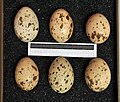
When spring arrives, Spotted Crakes get busy building nests! 🏡They usually choose a cozy spot in dense reeds, close to water. The female lays around 6 to 10 eggs, and both parents help take care of the eggs. The eggs are often olive-brown with darker spots, making them blend in with the nest. After about 20 days, the baby chicks hatch! 🐣They are precocial, which means they can walk and swim almost immediately. The parents take good care of the chicks, teaching them how to find food and stay safe in their marshy home. 🌼
Go deeper🟤 Physical Description
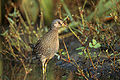
The Spotted Crake has a colorful appearance! It has a brown body with bright yellow and white spots that help it blend in with the reeds and marshes. 🟤⚪ Their beaks are short and yellow, allowing them to catch insects and snails. They have long toes that help them walk on slippery surfaces without sinking. Their legs are also strong, which helps them run from danger. Interestingly, male Spotted Crakes are slightly larger than females, but both look very similar! Their distinctive plumage makes them unique among their bird relatives. 🌈
Go deeper🎶 Cultural Significance
Spotted Crakes have inspired people for many years! 🎶In some cultures, their beautiful calls sound like music, leading to folk tales and stories about these birds. In art, their unique markings have been depicted in paintings and crafts, celebrating their beauty. Citizens also participate in birdwatching activities and bird festivals, where they can learn more about the Spotted Crake and other amazing birds. People are encouraged to appreciate nature and contribute to its protection. Remember, even the smallest bird can have a significant impact on our culture and environment! 🖼️💙
Go deeper🌊 Habitat And Distribution
Spotted Crakes love living in wet places called wetlands! 🌊They can be found in marshes, swamps, and edges of lakes. These birds are spread across Europe, parts of Asia, and some northern parts of Africa. During the spring and summer, they prefer breeding in Northern Europe and Central Asia. In winter, they fly to warmer places like France and Spain. Wetlands are super-important for the Spotted Crake because they provide food and shelter. Protecting these areas is very important for the survival of these lovely birds! 🌍✨
Go deeper