Peter Medawar Facts For Kids
Sir Peter Medawar was a British biologist and writer known for his essential research on graft rejection and acquired immune tolerance that transformed organ transplantation practices.

Do more with AI
Introduction
Sir Peter Medawar was a famous British scientist born on February 28, 1915, in London, England! 🇬🇧 He studied how our bodies react to transplants, like when someone gets a new heart or kidney. He discovered how our immune system can learn to accept new organs. This important work helped save many lives! 🏥Medawar loved writing too and made complex science easy to understand. He won the Nobel Prize in 1960 for his amazing discoveries. He is known as the "father of transplantation" and inspired many to study biology and medicine. 🌟
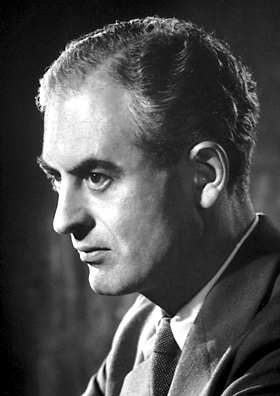
Images of Peter Medawar

Blue plaque erected on 14 July 2014 by English Heritage at 25 Downshire Hill, Hampstead
Personal Life
Medawar was not only a brilliant scientist but also a family man! 👨👩👦 He married his wife, Jean, and they had three children together. He loved spending time with his family and often shared interesting stories about his research adventures with them. ⚓Outside of work, he enjoyed arts and literature, often engaging in discussions about philosophy and science. Medawar believed that a balanced life was important, and he was passionate about inspiring young minds to pursue science. He was an engaging teacher and encouraged curiosity in everyone! 🌼
Awards And Honors
Peter Medawar received many prestigious awards for his incredible work in science! 🏆He became a Fellow of the Royal Society in 1958, which is like being part of a special club for the best scientists in the UK. In 1960, he won the Nobel Prize in Physiology or Medicine for his research on how the immune system accepts transplants. 🎉He was also made a Companion of Honour (CH) and received a Commander of the Order of the British Empire (CBE) for his contributions to science. Medawar's achievements show that hard work and curiosity can lead to great success! 🎓
Legacy And Influence
Peter Medawar left a huge legacy in the scientific world! 🎓Many new studies and research about organ transplants are based on his ideas. He inspired countless students and scientists to explore the world of biology and medicine. Through the years, universities named buildings and awards after him to honor his contributions. Medawar's emphasis on writing and sharing knowledge encouraged future scientists to communicate their discoveries effectively! 📚His influence is still felt today in health and science education, helping people understand the importance of his work. 🌟
Later Years And Death
In his later years, Medawar continued to write and explore scientific ideas! 🌅He remained a respected figure in the scientific community, sharing his wisdom and experiences with younger scientists. After a long and fulfilling life, he passed away on October 2, 1987, in Oxford, at the age of 72. 🌹Even after he left us, his work and ideas continue to breathe life into the study of biology and medicine. Peter Medawar's legacy lives on, reminding us all of the power of curiosity and understanding in science! 🌌
Philosophy Of Science
Medawar had a unique way of thinking about science! 🔍He believed that science is all about asking questions and finding answers. He liked to remind people that science is not just facts; it’s also about understanding how things work. Medawar thought that scientists should be curious and open-minded. 💡He felt that while science could explain many things, there were still mysteries in life that we need to cherish. His philosophy inspired many young scientists to explore and never stop asking "why!" 🤔
Early Life And Education
Peter Medawar grew up in a family that loved science! 👩🔬 His father was a civil servant and his mother was a teacher. At an early age, he was curious about nature and enjoyed exploring the outdoors. Medawar went to school at Westminster School in London and later studied zoology at the University of Oxford. 📚He was a brilliant student and even won a scholarship! His love for learning led him to research and help others understand how life works. Along the way, he became passionate about studying the immune system and how it affects health. 🦠
Scientific Contributions
Medawar's big discovery was about how our immune system reacts to new organs. ⚡When we get a transplant, our body can sometimes reject it, thinking it's a "bad guy"! But through his research, Medawar found out about acquired immune tolerance, which helps the body accept these organs. He also studied how skin grafts work, which is important in surgeries. 🦸♂️ His findings were so important that they changed the way doctors perform transplants forever! Thanks to his work, people can now live healthier lives with new organs. Amazing, right? 🌈
Publications And Writings
Not only was Peter Medawar a great scientist, but he was also an amazing writer! 📖He wrote many books about science that make it interesting and easy to understand. Some of his famous books include "The Limits of Science" and "The Art of the Soluble." He liked to explain important scientific ideas in a fun way and often used stories and humor! 😄His writings helped many people learn about biology and the wonders of life. Medawar believed that everyone should enjoy learning about science, not just scientists! 🌍
Impact On Biology And Medicine
Thanks to Medawar's discoveries, medical science has changed a lot! 🏥His work on how the immune system accepts new organs made organ transplants safer and more successful. Before his research, many people could not receive needed transplants due to rejection. Today, doctors can perform these surgeries with much better results because of his findings! 💪Medawar's research directly impacted millions of people by allowing them to get new chances at life with healthy organs. His work continues to inspire new generations of doctors and scientists! 🌱
Peter Medawar Quiz
Learn more about Peter Medawar
