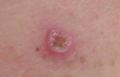
Melanoma is the most dangerous type of skin cancer, developing from melanin-producing cells known as melanocytes, and can spread quickly if not detected early.

Set reading age
View for Kids
Easy to read and understand
View for Students
Clear, detailed explanations
View for Scholars
Deep dives and big ideas
Melanoma is a type of skin cancer that starts in cells called melanocytes, which make pigment or color in our skin. The word "melanoma" comes from "melanin," the substance that gives our skin its color. 🌈Melanoma can be very serious, and it usually appears as a mole that changes color or shape. It can happen to anyone, but there are ways to prevent it. Knowing about melanoma helps us take better care of our skin! So, let’s dive deeper into this topic and learn more about it. 💡
There are several different ways to treat melanoma, depending on its stage. For early-stage melanoma, doctors may simply remove the mole. 🌟If it’s more advanced, treatments like surgery, chemotherapy (using medicine), or radiation (using powerful rays) may be necessary. Newer treatments, like immunotherapy, help your body's own immune system fight the cancer! 🔬The best choice for each person will depend on the specific situation. It's important to follow your doctor's advice to help beat melanoma! 🎉
There are four main types of melanoma! The first type is called "superficial spreading melanoma," which is the most common. It grows slowly and often appears as a flat or slightly raised spot. The second is "nodular melanoma," which grows quickly and usually looks like a raised bump. 🚀The third type is "lentigo maligna melanoma," which often occurs in older adults and looks like a large, flat patch. Finally, there's "acral lentiginous melanoma," found on palms, soles of feet, and under nails. Each type has its unique features! 🌟
Melanoma is the most dangerous kind of skin cancer! It occurs when the skin cells called melanocytes grow out of control. These cells are responsible for producing melanin, which gives our skin color. 🌞Melanoma usually appears as a dark spot or bump that looks different from other moles. It's important to know that while all skin cancers should be examined, melanoma can spread to other parts of the body, which makes it more serious. Being educated about melanoma can help you understand why protecting your skin is crucial! 🛡️
It’s essential to recognize the signs of melanoma so you can act fast! Look for new moles or changes to existing moles. The ABCDE rule can help you remember what to check: Asymmetry, Border irregularity, Color changes, Diameter (bigger than a pencil eraser), and Evolving (changing over time). 🌈If you see any of these signs, tell an adult immediately! Getting checked by a doctor can catch problems before they get serious. Being aware of your skin helps you stay ahead! 🩺
Living with melanoma can be tough, but support is available! Many people find comfort in connecting with others who understand what they’re going through. Support groups can be found online or in the community, where sharing experiences can help. 🌈It’s essential to keep up with doctor appointments and follow treatment plans carefully. Many people continue to live full and happy lives even after being treated for melanoma! With proper care and support, you can still enjoy what you love! 🎈
When doctors think someone might have melanoma, they perform tests to confirm it. First, they look closely at the mole and may take a small piece of tissue for testing. This is called a biopsy. 🔬If the tests show melanoma, the doctor will then figure out how serious it is. This process is called staging. Staging helps doctors understand how far the cancer has spread. There are four stages, with stage one being the earliest and stage four being the most advanced. Knowing the stage helps everyone plan the best treatment! 📅
Preventing melanoma is all about protecting your skin! ☀️ Always use sunscreen with at least SPF 30 when you go outside, and reapply it every two hours, especially after swimming. Wearing protective clothing—like hats and long sleeves—can also help shield your skin from harmful rays. 🌂It's best to seek shade during the sunniest parts of the day and avoid tanning beds to reduce the risk of melanoma. Remember, you can enjoy the sun safely with proper precautions! 😊
Scientists are always studying melanoma to find better treatments and ways to prevent it. Recent advances include new immunotherapy treatments that help the body fight cancer more effectively! 💪They are also researching genetic factors, trying to understand why some people get melanoma while others don’t. Additionally, new technologies like artificial intelligence assist doctors in diagnosing melanoma more accurately. The more scientists learn, the better they can help folks who have melanoma! 🧬
If you or someone you know is affected by melanoma, there are many resources to help! 📰Organizations like the American Cancer Society provide information and support for families. You can also talk to a school counselor or a trusted adult about concerns. Local hospitals often have programs to provide care and support. Remember, everyone needs help sometimes, and it’s important to reach out! Seeking support can make managing melanoma much easier and help you feel less alone on this journey! 🤗
There are a few things that can make someone more likely to get melanoma. One major cause is too much exposure to sunlight, especially without sunscreen! 🌞People with fair skin, red or blond hair, and blue or green eyes are at higher risk. Family history is another important factor; if someone in your family had melanoma, you might be more likely to get it too. Other things, like having many moles or getting sunburned often, can also increase the risk. Staying aware can help keep your skin safe! 🧴