Measles is a highly contagious, vaccine-preventable infectious disease caused by the measles virus.

Set reading age
View for Kids
Easy to read and understand
View for Students
Clear, detailed explanations
View for Scholars
Deep dives and big ideas
Measles is a really contagious illness caused by a tiny virus 🤒. It spreads quickly, especially among children, and can make people feel very sick. The good news is that there’s a vaccine to prevent measles! Vaccination helps keep our friends and families safe 📅. It’s important to know about measles so we can protect ourselves and others. If you’re around someone with measles and you haven’t been vaccinated, you could catch it easily! Remember, keeping our bodies healthy means paying attention to vaccines and hygiene. 🌍✨
Measles is caused by the measles virus! This virus is so small that you can’t see it without a microscope 🔬. Measles is most common in places where people don't get vaccinations. When someone gets measles, they might have spots on their skin and feel feverish. It usually takes about 10 to 14 days after catching the virus for the first symptoms to show up. Dr. Edward Jenner invented the measles vaccine in the 1960s, helping many people stay healthy! 🤩💉
If someone has measles, there is no specific treatment to cure it, but care can help them feel better. Doctors recommend resting, drinking lots of fluids, and taking medicine for fever and pain 💧. It’s crucial to avoid spreading the virus to others. If you think you might have measles, stay home and tell a parent or doctor right away. They will help you get through it and keep you comfortable! ❤️
Measles has been around for a long time! The first known descriptions of measles go back to the 9th century by a doctor named Rhazes 🌟. Vaccination started in the 1960s, changing everything. In 1980, the World Health Organization launched a program to eradicate measles. Countries around the world began giving out the vaccine. With teamwork, measles rates have dropped, but some places have to work harder to make sure everyone is protected! 🏅
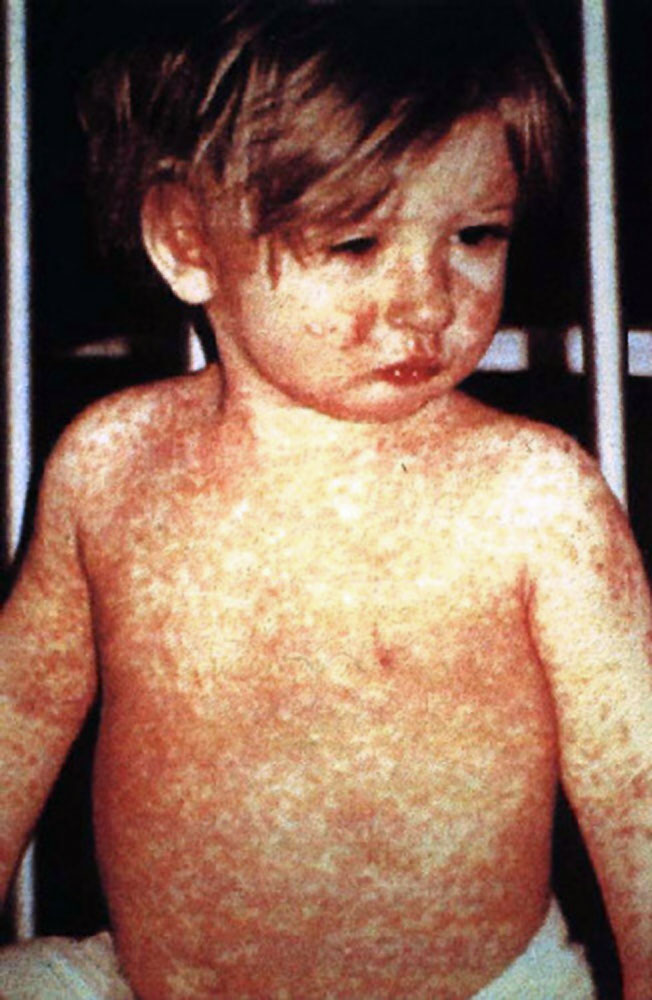
People with measles may have several symptoms. It often starts with fever, cough, runny nose, and red eyes 🤧. After a few days, tiny red spots can appear all over the body! These spots usually start from the head and make their way down. Doctors can diagnose measles by looking at the symptoms and the rash. They might also do a blood test if needed. If you see these signs, it's super important to see a doctor right away! 🩺🏥
Although most kids recover from measles, some may have serious problems. About 1 in 10 children with measles can develop an ear infection, which can hurt a lot 👂. Even worse, 1 in 1,000 might get encephalitis, which is brain swelling! This can lead to long-term issues. It’s important to take measles seriously and get vaccinated to avoid these complications. Keeping ourselves safe means being responsible and informing others too! 🚨
Many myths about measles and vaccines exist! Some people worry that vaccine side effects are worse than measles. However, serious side effects from vaccines are very rare 🚫. Others believe that measles is just a "normal childhood illness," but it can be dangerous. It’s essential to talk to doctors when you have questions! Learning the facts helps keep everyone safe and healthy! Let’s bust those myths together! 💪
Preventing measles starts with getting vaccinated! The measles vaccine is usually given when kids are 12 months old, with a follow-up shot before starting school 🎒. This shot is often combined with vaccines for mumps and rubella (MMR). Most people who are vaccinated will be protected for life. If enough people get vaccinated, it creates "herd immunity," making it harder for the virus to spread. Remember, staying healthy is teamwork! 🌟
Measles spreads when an infected person coughs or sneezes. The virus lives in the air and on surfaces for up to two hours! 😮You can catch measles just by being in the same room. It’s like a sneaky tag game! Once someone gets the virus, they can pass it on four days before and four days after their rash appears. The virus is very strong and can jump from person to person, making it essential for everyone to get vaccinated! 🦠
Did you know that before vaccines, measles caused around 2.6 million deaths each year worldwide? 📈In 2018, there were over 365,000 reported cases, but many people were vaccinated, which helped lower the number. According to the World Health Organization (WHO), measles deaths have dropped by 80% since 2000 thanks to vaccination programs! However, there are still outbreaks in some places. Everyone plays a part in keeping our world healthy! 🌏
Scientists are always working to improve measles vaccines and find new ways to prevent outbreaks 📚. Recent studies focus on making sure that every child around the world gets vaccinated. There are also efforts to understand how measles affects people so we can help those who have it in better ways! As research continues, we can celebrate that fewer kids are getting sick. Teamwork in science helps us all stay healthy and safe! 🎉