Labridae Facts For Kids
Labridae, or wrasses, are a vibrant family of marine fish known for their colorful appearances and playful behavior, thriving primarily in warm oceans.


Do more with AI
Introduction
Labridae, also known as wrasses, is a family of beautiful fish found in oceans around the world 🌊. There are around 600 different species of wrasses! They are known for their bright colors and unique shapes. Some wrasses can change color as they grow up, and some can even change sex! These colorful fish play an important role in coral reefs, helping to keep them healthy and clean. They are popular in aquariums because they look so amazing. Wrasses can be found in many colors, like green, blue, and yellow! 🌈
Images of Labridae


†Phyllopharyngodon longipinnis (Eocene)

Lips of Labrus festivus

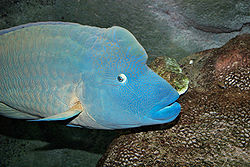
Two very large wrasse species: humphead parrotfish (left) and humphead wrasse (right)

Whitebanded possum wrasse (Wetmorella albofasciata), one of the smallest wrasse species

Hawaiian cleaner wrasses working on gill area of dragon wrasse Novaculichthys taeniourus, on a reef in Hawaii


Bird wrasse fish, Gomphosus varius
Ecological Role
Wrasses play a crucial role in maintaining healthy coral reef ecosystems 🌊. By eating algae and small creatures, they help keep the reefs clean and balanced. Also, the cleaner wrasse has a special job: it removes parasites from other fish! This not only feeds the wrasses but also keeps larger fish healthy. Other predatory wrasses help control the population of smaller fish and invertebrates, ensuring that the food chain functions properly. Without wrasses, coral reefs would struggle to survive, making these colorful creatures essential for ocean health! 🌍
Conservation Status
Many wrasses are currently facing threats due to climate change, overfishing, and habitat loss. Coral reefs are becoming damaged because of warming waters and pollution 😢. Some wrasse species are protected in certain areas, but others are at risk of becoming endangered. To help wrasses and their habitats, people work to promote sustainable fishing practices and protect coral reef ecosystems. By learning about these fish and their importance, we can better protect them for the future! ♻️
Interesting Species
One of the most fascinating wrasses is the moon wrasse (Thalassoma lunare) 🌙. It can be found in the Indo-Pacific region, and its vibrant colors change throughout its life! Another interesting species is the rock mover wrasse (Cheilinus undulatus), known for its unique behavior of rolling rocks and corals around in its search for food. There are also the cleaner wrasses (Labroides spp.), which help other fish by removing parasites from them! Each species adds joy and wonder to the underwater world, showcasing the diversity and beauty of Labridae! 🌈
Cultural Significance
In many cultures, wrasses symbolize beauty and the richness of marine life. Fishermen appreciate them for their vibrant colors and interesting behaviors. 🌺In some islands in the Pacific, wrasses are part of local traditions, and brightly colored aquarium fish are popular around the world! Wrasses also feature in various stories and folklore, where they are often associated with the idea of transformation and change. As we explore ocean life, wrasses remind us of the need to protect the beauty that exists beneath the waves! 🌊
Reproductive Behavior
Wrasses have interesting ways of reproducing and raising their young! Most species are mating, which means both males and females come together to breed. They often have colorful displays to attract partners, and sometimes male wrasses will change colors to impress females! 🎉After mating, females release eggs into the water, where they drift and hatch into tiny fish larvae. The young wrasses are very small and transparent at first but eventually develop their bright colors and features as they grow! This fascinating process helps keep their populations stable in coral reefs. 👶
Diet And Feeding Habits
Wrasses are carnivorous fish 🥩, meaning they eat other animals! They primarily feast on small invertebrates, like crustaceans, and fish. Their thick lips help them dig into the sand or crevices of rocks to find hidden food. The great thing about wrasses is that they are also important cleaners in the reef! Some species, like the cleaner wrasse (Labroides dimidiatus), eat parasites and dead skin from larger fish, helping to keep them healthy while enjoying a tasty meal! 🦀Their unique feeding habits play a key role in maintaining a balanced ecosystem.
Habitat And Distribution
Wrasses mainly live in warm, shallow waters of the world's oceans, especially around coral reefs 🐚. You can find them in the Atlantic, Indian, and Pacific Oceans! They enjoy staying close to the reef, where they can hide from predators and find food. Some wrasses are found in cool waters too, such as off the coast of California. Others even prefer sandy or rocky bottoms where they can burrow and hide. Each species has its favorite spot, contributing to the overall beauty and diversity of the ocean ecosystem! 🌏
Physical Characteristics
Wrasses are known for their bright colors and unique patterns. They typically have elongated bodies and can grow anywhere from a few inches to over three feet long! 🐠Depending on the species, their colors can include stunning blues, greens, reds, and yellows. They also have strong, flexible fins that help them swim swiftly through the water. The scales on their bodies are very smooth and shiny, making them look even more vibrant! Some wrasses have different forms during their life stages, like the male and female clown wrasses that show different colors as they grow. 🌟
Taxonomy And Classification
Wrasses belong to the family Labridae in the order Perciformes. They are closely related to fish like bass and perch. Within the Labridae family, you can find about 80 genera, including famous species like the clown wrasse (Thalassoma lunare) and the rock mover wrasse (Cheilinus undulatus) 🐟. This family gets its name from the Latin word "labrus," which means "lip." Their lips are often thick and fleshy, helping them eat small creatures living in rocks and coral. The diversity within the Labridae family is impressive, making it one of the most exciting groups of fish! 📚
Scientific Research And Discoveries
Scientists study wrasses to learn more about their behavior, ecology, and the roles they play in coral reef ecosystems 🔍. Researchers have discovered that some wrasses have the ability to change their sex in response to environmental factors! This adaptation helps maintain population balance in their ecosystems. By understanding the life cycles and behaviors of wrasses, scientists can better protect them and the critical habitats they inhabit. Ongoing research continues to shed light on the unique qualities of these vibrant marine fish! 📖
Labridae Quiz
Learn more about Labridae
