Gonad Facts For Kids
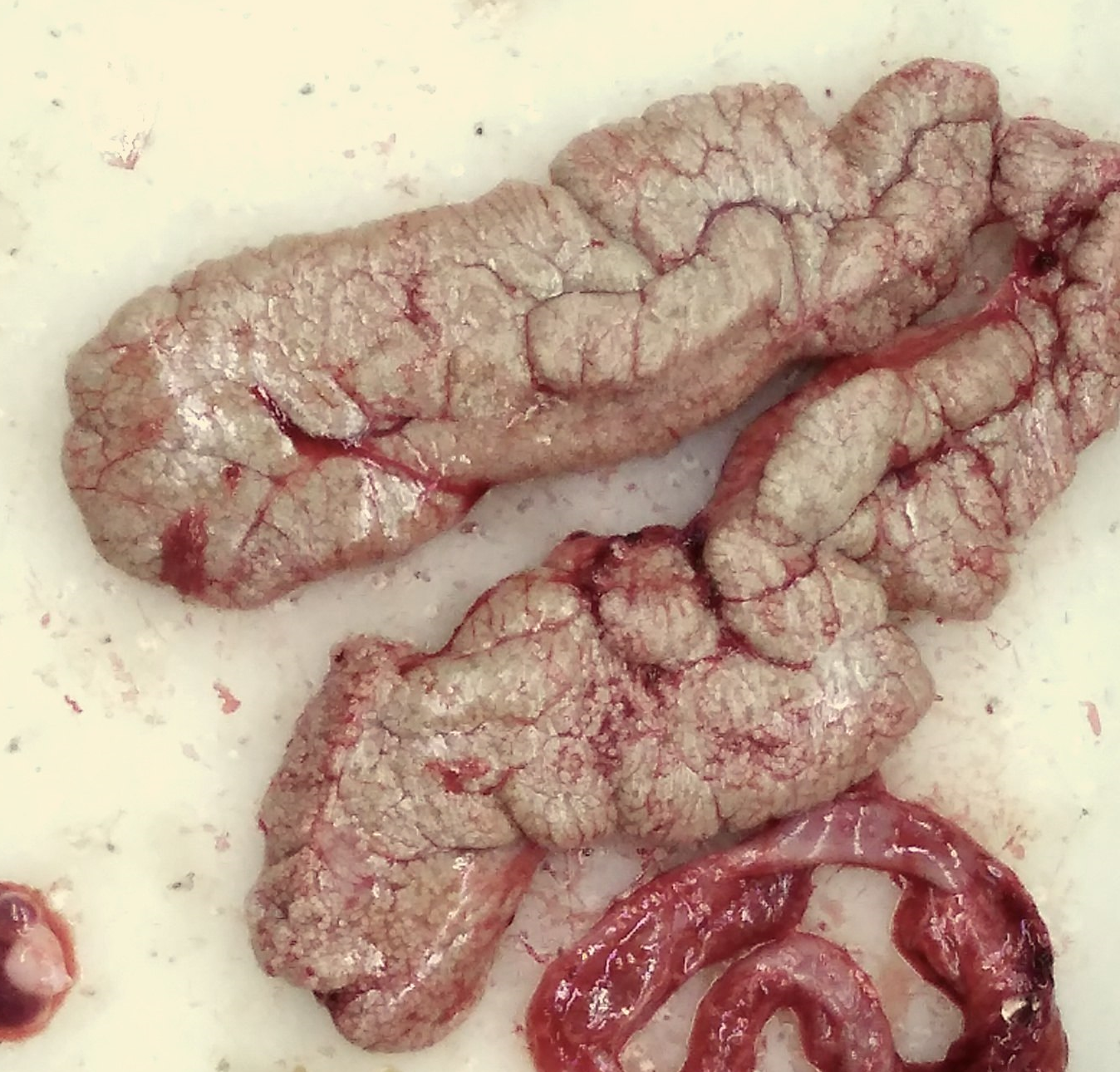
Gonads are mixed glands and sex organs in an organism that produce gametes and sex hormones, playing a crucial role in reproduction and overall health.

Do more with AI
Introduction
Gonads are special organs found in many animals, including humans! They are responsible for making sex cells, called gametes (like sperm and eggs 🥚). Gonads also produce important hormones that help in growing and developing, like testosterone and estrogen. In humans, boys have testes (the male gonads) and girls have ovaries (the female gonads). These organs are located in the lower abdomen. Understanding gonads is important because they play a huge role in reproduction, which is how new life is created! 🌱
Types Of Gonads
There are different types of gonads in animals, which can be broadly categorized into male and female. Male gonads, called testes, create sperm cells and male hormones. Female gonads, called ovaries, produce eggs and female hormones. Some animals, like frogs and fish, have both male and female gonads, called hermaphrodites. Other species, like bees, can change their gonadal types based on the needs of their colony! This diversity in gonads helps different species survive in their unique environments! 🌍🐸
Anatomy Of Gonads
The gonads have different shapes and sizes, but they have similar jobs. In boys, the testes are oval and about the size of a ping-pong ball. They hang outside the body in a pouch called the scrotum. In girls, the ovaries are small and almond-shaped, located inside the body near the uterus. Both types are surrounded by protective tissue and have tubes leading from them. These tubes are important for transporting sperm and eggs to where they are needed. Gonads need to be healthy for a body to grow properly! 🏥
Hormonal Functions
Hormones are like little messengers that help our bodies work. Gonads produce key hormones that influence our growth and changes in puberty! In boys, the testes make testosterone, which helps develop muscles, voice deepening, and hair growth. In girls, the ovaries produce estrogen, which is important for developing breasts and starting menstrual cycles. These hormones also help control our emotions and physical health. So, gonads do more than just make sex cells; they also help us grow and change as we enter adulthood! 🚀
Gametogenesis Process
Gametogenesis is the process by which gonads make gametes (sperm and eggs!). In boys, this occurs in the testes through a process called spermatogenesis, where sperm cells are created. In girls, the ovaries perform oogenesis, producing egg cells. These processes are super cool because they involve lots of cell division and changes! It can take weeks or months to create fully mature gametes! When sperm and eggs meet, they can create new life! 🌈💞
Disorders Related To Gonads
Sometimes, gonads can experience disorders that affect their function. Conditions like Klinefelter syndrome (affecting boys) can lead to fertility issues, and Turner syndrome (affecting girls) may cause developmental problems. Hormonal imbalances can also occur, leading to issues like polycystic ovary syndrome in girls. It's important for kids to be healthy and talk to doctors if they notice anything wrong. Early detection can help manage these disorders and keep everyone feeling their best! 🩺❤️
Gonads In Different Species
Different animals have unique gonadal structures and functions. For example, birds have internal testes, while reptiles can have both types like some frogs. In insects, males have specialized organs to transfer sperm to females. Fish can also be interesting; some can change their gonads based on their environment! Earthworms have both male and female reproductive organs, allowing them to mate with any partner! The variations in how gonads work help species adapt to their environments and survive! 🦋🐠
Gonads In Reproductive Health
Gonads are vital for reproductive health, helping create life and manage hormonal changes. Healthy gonads ensure regular menstrual cycles in girls and healthy sperm production in boys. Maintaining a healthy lifestyle, such as eating nutritious foods and exercising, helps keep gonads functioning well! Schools even teach about reproductive health to help kids understand their bodies better. By learning about gonads, we can appreciate how our bodies work and stay healthy as we grow! 🍎💪
Regulation Of Gonadal Function
The gonads' functions are controlled by the brain and special hormones. The pituitary gland, located at the base of the brain, sends signals to the gonads telling them when to make gametes and hormones. This process is called the hypothalamic-pituitary-gonadal axis! When everything works together, the body is ready for puberty, reproduction, and many other important functions. It’s essential for the brain and gonads to communicate well to keep us healthy and growing! 📡✨
Evolution Of Gonadal Structures
Gonads have changed over millions of years as animals evolved! Early organisms likely had simple gonads, but as species adapted, these organs became more specialized. For example, fish developed different methods for releasing gametes based on their environment. Birds have also evolved internal gonads for better protection. Understanding how gonadal structures evolved helps scientists learn about animal behavior and reproduction. It’s like a living history of how life has changed on Earth! 🌟📚
Gonad Quiz
Learn more about Gonad
