Beaufort Scale Facts For Kids
The Beaufort Scale is a tool used to measure wind speed and its effects based on observable conditions at sea or on land.
Select reading age
Beaufort Scale Facts For Kids
Videos & Quizzesincluded
About this topic
The Beaufort Scale is a fun way to understand wind speed! 🌬️ Created by Sir Francis Beaufort, a British admiral, in 1805, it helps us see how strong the wind is by looking at how it affects things around us! The scale has 13 levels, from calm waters (0) to a hurricane (12). Each level has a special name and description that tell us what to expect outside. For example, on a level 3 day, you might fly a kite because there’s a gentle breeze! 🎏The Beaufort Scale is not just for weather experts; anyone can use it!
Explore with ChatDinoKey Points
Meteorologists, or weather scientists, use the Beaufort Scale to better share weather info with us!
The Beaufort Scale was invented by Sir Francis Beaufort, who lived from 1774 to 1857!
The Beaufort Scale is used in many countries!
Did you know there are other ways to measure wind?
The Beaufort Scale has 13 categories!
Visual representations make learning about wind so much fun!
Did you know climate change is affecting our wind patterns?
The Beaufort Scale is super important for sailors!
Want to explore wind and weather?
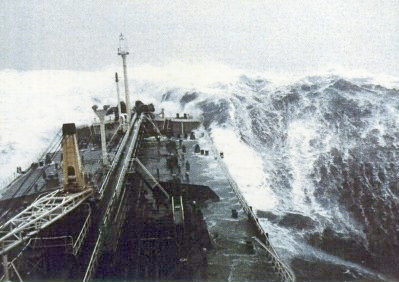
Photos of Beaufort Scale

Sir Francis Beaufort

Data graphic showing Beaufort wind force in scale units, knots and metres/second

Beaufort Scale — photo 3

Beaufort Scale — photo 4

Beaufort Scale — photo 5

Beaufort Scale — photo 6

Beaufort Scale — photo 7

Beaufort Scale — photo 8

Beaufort Scale — photo 9
🌪️ Applications In Meteorology
Meteorologists, or weather scientists, use the Beaufort Scale to better share weather info with us! 🌪️ They observe wind speed using the scale to predict weather, including storms! For example, if they see level 9 winds, they warn us to stay safe indoors. ⚠️ The scale helps in reporting on TV, informing sailors, and planning outdoor activities. By relating winds to observable conditions, everyone can understand the weather more easily! So next time you hear about the wind on the news, you might recognize the Beaufort Scale in action!
Go deeper🌊 History Of The Beaufort Scale
The Beaufort Scale was invented by Sir Francis Beaufort, who lived from 1774 to 1857! 🌊He was born in Ireland but worked mostly in England. Before the Beaufort Scale, people measured wind strength by how it felt. Beaufort thought it would be easier to classify wind based on what it did to trees, ships, and waves! So, in 1805, he published his scale, and it quickly became popular. Over the years, it was adjusted, but the main idea stayed the same: use your eyes to see the effect of the wind rather than fancy instruments!
Go deeper🌍 Beaufort Scale Around The World
The Beaufort Scale is used in many countries! 🌍In England, sailors and meteorologists often rely on it, while in the United States, the scale is well-known too! People in Australia and Canada also use this scale to describe their winds. 🌪️ However, some places may have their own systems! For example, Japan has unique names for wind conditions. 🌬️ But no matter where you are, the fun of understanding the wind never changes! It helps us all learn about nature together!
Go deeper🌪️ Comparison With Other Wind Scales
Did you know there are other ways to measure wind? 🌪️ One famous scale is the Saffir-Simpson Scale, which measures hurricanes, while the Beaufort Scale measures all wind conditions! The Fujita Scale is another one that looks at tornado damage. 🌀While these scales focus on specific storms, the Beaufort Scale helps everyone, even kids, see the everyday wind around them! Each scale is important and has its unique purpose, which helps us understand our weather better! 🌈
Go deeper🌟 Structure And Categories Of The Scale
The Beaufort Scale has 13 categories! 🌟Starting from 0 means "calm," where the sea is like a mirror. Levels 1 to 3 show gentle to light breezes, while levels 4 to 6 are breezy to strong winds. 📊At level 7, trees sway, and at level 8, small branches break! Levels 9 to 12 are really powerful winds, where waves are high, and it can get scary! 😱Here’s a quick recap: Level 0 is calm, and Level 12 is a hurricane! Each level helps people prepare for their day outside.
Go deeper🎨 Visual Representation Of Wind Effects
Visual representations make learning about wind so much fun! 🎨The Beaufort Scale is often shown as a chart with drawings. For example, level 1 might show a flag flapping a little, while level 10 shows big waves crashing! Each drawing helps us picture the wind's effects and better understand them. 📊You can even create your own chart with drawings for each level! 🌟Look outside, notice the weather, and draw what you see! It’s a great way to learn about wind while being creative!
Go deeper🌡️ Impact Of Climate Change On Wind Patterns
Did you know climate change is affecting our wind patterns? 🌡️ As the Earth warms up, researchers are noticing changes in wind speed and frequency! Some places might get stronger winds, while others may see calmer days. 💨This can impact weather, storms, and even sailing! Understanding these changes is important for keeping everyone safe. Using the Beaufort Scale can help keep track of how wind behaves over time. 🌍By learning about these patterns, we can work together to protect our planet and get ready for future changes!
Go deeper🚢 Impact On Sailing And Maritime Navigation
The Beaufort Scale is super important for sailors! 🚢When sailors check the weather, they look at wind strength to decide if it's safe to go out. Level 3 is great for a relaxing sail, while level 7 means it’s time to play it safe! 🛡️ If winds reach level 10 or above, sailors usually stay ashore. The Beaufort Scale helps protect lives and ships because strong winds can make waves dangerous! Even today, sailors around the world follow this scale to ensure safe journeys on the ocean! 🌊Anchors down!
Go deeper🎉 Educational Activities Related To Wind And Weather
Want to explore wind and weather? Here are some fun activities! 🎉You can make a kite and take it out on a breezy day to see how it flies at different wind levels! 🪁Another activity is to create a wind journal – write down the Beaufort Scale level each day and how it affects your activities. 🌬️ You could also make a wind vane to see which way the wind is blowing! Science projects like these will help you understand the Beaufort Scale while having a blast outdoors! 🚀
Go deeper