Agnosticism Facts For Kids
Agnosticism is a philosophical viewpoint asserting that the existence of the divine is uncertain and possibly unknowable.
Select reading age

Agnosticism Facts For Kids
Videos & Quizzesincluded
About this topic
Agnosticism is a big word that means "I’m not sure!" 🧐 It’s a way of thinking about big questions like "Is there a God?" or "What happens after we die?" People who are agnostic believe that we can’t really know everything about the universe. They say we should keep asking questions and searching for answers. Just like when you’re trying to solve a mystery! 🔍Agnosticism doesn’t say there is or isn’t a God; it simply means we’re still exploring those ideas. It's like being an explorer in a world of thoughts, always curious and open to new ideas. 🌍✨
Explore with ChatDinoKey Points
The word "agnostic" was first used in 1869 by a scientist named Thomas Huxley, who lived in England.
Scientists often have agnostic views too!
Agnosticism appears in different religions!
Philosophical arguments are ways people think about questions!
In literature, many writers include agnostic ideas!
Agnosticism is different from atheism and theism.
Agnostics have influenced culture in many ways!
Today, many people identify as agnostic!
Photos of Agnosticism

Thomas Henry Huxley in the 1860s. He was the first to decisively coin the term agnosticism.

Bertrand Russell
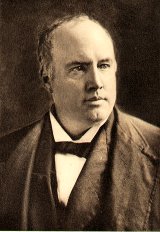
Robert G. Ingersoll
![Nonreligious population by country, 2010[78]](https://upload.wikimedia.org/wikipedia/commons/thumb/0/09/Countries_by_percentage_of_Unaffiliated%E2%80%93Pew_Research_2010.svg/330px-Countries_by_percentage_of_Unaffiliated%E2%80%93Pew_Research_2010.svg.png)
Nonreligious population by country, 2010[78]
![Percentage of people in various European countries who said: "I don't believe there is any sort of spirit, God or life force." (2005)[79]](https://upload.wikimedia.org/wikipedia/commons/thumb/0/03/Europe_No_Belief_enhanced.svg/330px-Europe_No_Belief_enhanced.svg.png)
Percentage of people in various European countries who said: "I don't believe there is any sort of spirit, God or life force." (2005)[79]
🌟 Historical Background
The word "agnostic" was first used in 1869 by a scientist named Thomas Huxley, who lived in England. 🌟Huxley wanted to describe his belief that we shouldn’t claim to know things that we can’t prove, like whether a God exists. Over the years, many thinkers and philosophers have talked about agnosticism. For example, in the 20th century, Albert Einstein wondered about God, nature, and the universe. 🌌He had questions but didn’t claim to know all the answers. Since then, agnosticism has grown in popularity, with more people considering it a way to think about life! 💭
Go deeper🧪 Agnosticism In Science
Scientists often have agnostic views too! 🧪They use experiments and observations to learn about the universe. When scientists get questions like "Is there life on other planets?" they might say, "We don’t know yet!" 🌌 This helps them keep looking for answers. Famous scientists like Carl Sagan said it’s important to be open to new ideas and evidence. 🌠Science and agnosticism both focus on exploring and asking questions. The universe is full of mysteries, so scientists are like detectives trying to solve the case of the unknown! 🔍🧩
Go deeper🌍 Agnosticism In Religion
Agnosticism appears in different religions! 🌍Some agnostics find wisdom in teachings from many different beliefs, like Buddhism, Taoism, or even mainstream religions. They may read scriptures or listen to stories but remain unsure about questions like "Is there a God?" ✨ For example, in Buddhism, people learn about life and the mind but don’t state there is a god they must believe in. Agnostics respect various beliefs and are open to learning from them! They say, "Let's explore spirituality together and see what we can discover!" 🧘♀️🌸
Go deeper🧠 Philosophical Arguments
Philosophical arguments are ways people think about questions! 🧠One famous argument is called "The Problem of Evil." It asks, “If God is good, why is there suffering?” Many agnostics think that this question shows how complex understanding God is. Another famous thinker, David Hume, said we should question everything! 🤨This helps agnostics explore different ideas about God and the universe. Other arguments pose that humans are not fully equipped to understand everything; our brains are amazing, but they have limits! So, asking questions is a great way to start exploring. 🔭
Go deeper📖 Agnosticism In Literature
In literature, many writers include agnostic ideas! 📖For example, famous author Mark Twain often questioned belief in God. He wanted people to think and explore topics such as morality and faith. 🌊In "The Adventures of Huckleberry Finn," Huck grapples with beliefs and understanding right from wrong. Another writer, Kurt Vonnegut, also merged humor with philosophical thoughts about life and existence. 😂These stories encourage readers to think deeply about their beliefs and questions about life. Literature provides a fun way to explore agnostic ideas! 📚✨
Go deeper🤔 Agnosticism Vs. Atheism And Theism
Agnosticism is different from atheism and theism. 🤔Atheism means someone doesn’t believe in God at all. Theism means someone believes in God. But agnosticism is more like saying, "I’m not sure!" 🤷♂️ It’s okay to wonder! Agnostics think that it might be impossible to completely know about God or the universe. Each belief is valid! People can have discussions about what they believe, and all views can help us learn from each other. 🌈It’s like a big puzzle where everyone has important pieces to share! 🧩
Go deeper🎨 Cultural Impact And Representation
Agnostics have influenced culture in many ways! 🎨From movies and books to music, people explore big questions through stories. Some famous books, like "Brave New World" by Aldous Huxley, touch on agnostic themes! 📚Movies like "Contact" remind us to ask questions about the universe! 🌌Artists and musicians often express their own wonders and doubts through their creations, allowing people to think deeply and connect through shared feelings. 🎶Art becomes a platform for exploring big ideas, and culture can show us the joy of asking questions together! 🌟✨
Go deeper🌟 Modern Perspectives On Agnosticism
Today, many people identify as agnostic! 🌟In our diverse world, agnosticism is becoming more accepted and explored. As people engage with different cultures and ideas, they often find value in being open-minded. Discussions about spirituality and beliefs on social media lead to new understandings! 💬Young people today explore what it means to believe or not believe, building their own views. In a world filled with questions, modern agnosticism encourages curiosity and lifelong learning! Many feel that it’s okay to be questioning! 🌈💭
Go deeper