ASMR Meaning for Kids | Learn with KidsGPT
Use KidsGPT to learn ASMR meaning, how it works, and why people listen. Kid-safe, friendly explanations and guided prompts for curious kids.
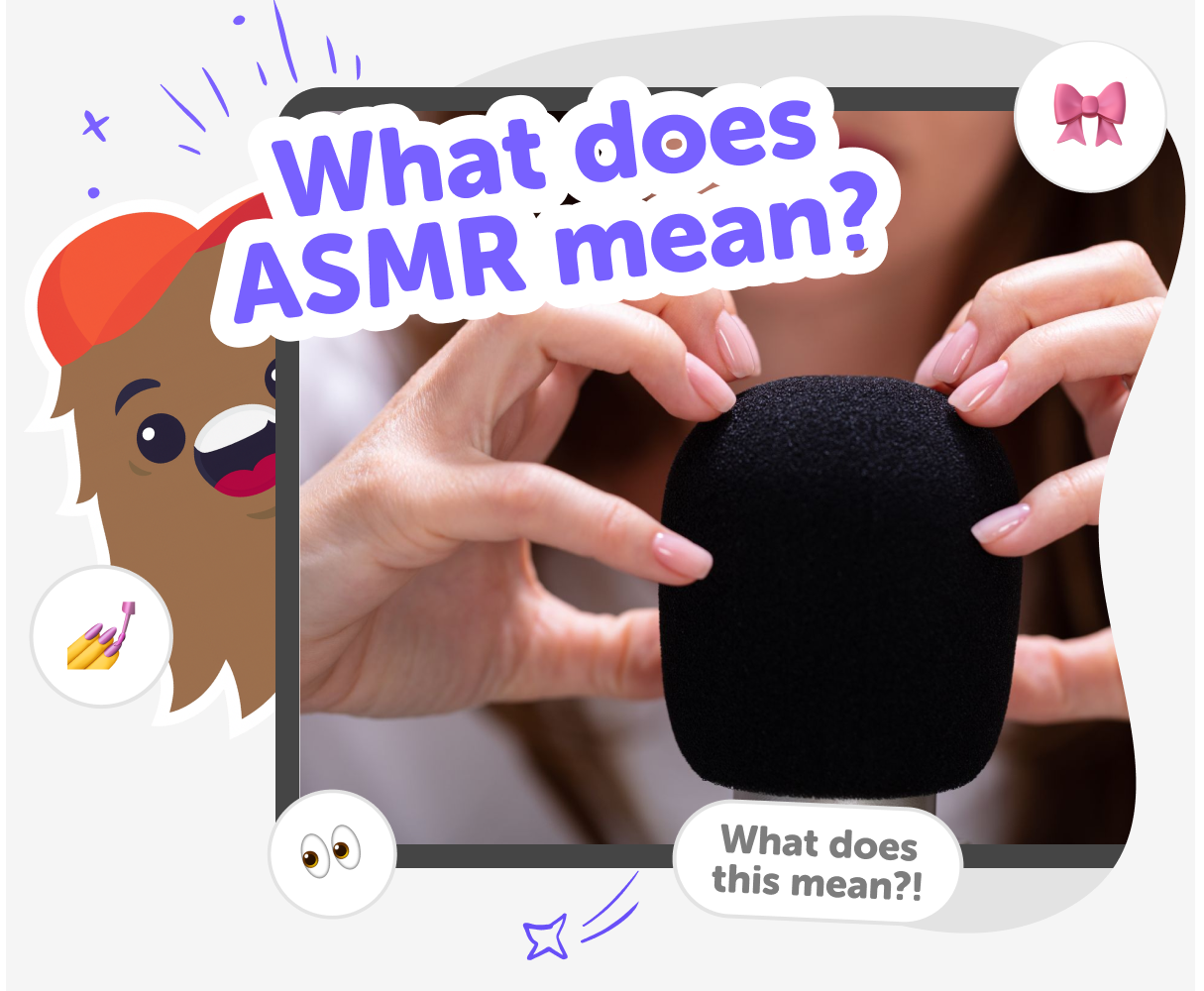
What does ASMR mean?
ASMR stands for autonomous sensory meridian response. It’s a gentle, tingly feeling some people get from quiet, soft sounds like whispering, tapping, or paper rustling. For kids, ASMR meaning can be explained as a calm, pleasant feeling that sometimes happens when you listen closely to quiet noises or someone speaking softly. People use ASMR because those small sounds can make the body feel relaxed and focused. It’s not a trick or a test — it’s simply a way that some brains notice and enjoy peaceful sounds. Explaining ASMR for kids helps them understand feelings and how different people relax.
KidsGPT helps kids learn about ASMR in a safe, age-appropriate way. It gives clear, simple explanations and examples without showing any videos or unsafe content. Because KidsGPT only outputs text, it guides children through ideas like what sounds might cause ASMR and how to describe the feeling using words and safe activities. Kids can ask KidsGPT for step-by-step help to write short, quiet-time scripts, make calm sound lists, or practise reading a gentle narration. Parents and carers can supervise and use KidsGPT’s prompts to support learning and calm routines.
What does ASMR mean in simple terms?
ASMR stands for autonomous sensory meridian response, a name scientists use for a calm, tingly feeling some people notice from quiet sounds. For kids, a simple way to explain ASMR meaning is to compare it to the cozy feeling you get while listening to a gentle story, soft rain, or careful tapping. Not everyone feels ASMR, and that’s okay. It’s a normal sensory reaction that helps some people relax or concentrate. Talking about ASMR helps kids learn about different senses and how small, steady sounds can affect mood and attention.
How can learning about ASMR help kids?
Learning about ASMR can teach kids how sounds and quiet activities affect feelings and focus. Exploring ASMR for kids encourages noticing sensory details, practising calm breathing, and using language to describe feelings. These skills help with attention, emotional awareness, and building simple relaxation routines. Kids can use short, guided scripts or sound lists to practise calming down before reading, homework, or sleep. The process is creative: kids can invent their own gentle sound combinations and compare how different noises make them feel, all while learning to listen and reflect in a safe, supported way.
Is ASMR safe for kids to explore?
Yes, exploring ASMR can be safe when done with age-appropriate guidance and adult supervision. KidsGPT supports this by giving text-only suggestions and kid-friendly explanations, avoiding videos or external links. Parents can help choose simple sounds and make sure activities do not include loud or startling noises. It’s important to respect personal comfort: if a sound feels unpleasant, stop. Sharing or recording should always be done with a parent using DIY.org’s supervised, kid-safe options. The goal is gentle learning and calm, not pressure to feel a certain way.
Can kids create their own ASMR with KidsGPT?
Absolutely. Kids can use KidsGPT to write short, gentle ASMR scripts, list safe sounds to try, or make calm-reading prompts and practice pacing. KidsGPT won’t create audio — it gives step-by-step text guidance so children learn how to speak softly, choose soothing words, and plan a safe recording or read-aloud session with a parent. Using KidsGPT turns ASMR into a hands-on creative activity: writing, practising voice control, choosing sounds, and thinking about rhythm and timing. Parents can help with recordings, supervise sharing, and use the experience to build children’s confidence, creativity, and safe media habits.
Learn About ASMR with KidsGPT
Ask KidsGPT about ASMR
Open KidsGPT and ask "What does ASMR mean?" to get a simple, kid-friendly explanation and examples you can explore.
Learn common ASMR sounds
Ask about common ASMR sounds, like whispering, tapping, or crinkling, and why they can feel calming for many listeners.
Try creating ASMR scripts
Use KidsGPT to write a short, safe ASMR script or guided quiet-time prompt you can read aloud or record with a parent.
Make the most of ASMR learning
Experiment safely Try different calming sounds and words with KidsGPT’s suggestions, keeping choices simple and age-appropriate while an adult supervises. Iterate instead of copying Make small changes to scripts or prompts to find what feels best rather than copying others exactly. Practice quiet routines Use short scripts before sleep or study to learn how peaceful sounds can help focus or relax. Share under supervision If you record or share, do it with a parent using DIY.org’s kid-safe sharing options.
Frequently asked questions
Can KidsGPT explain ASMR for younger children?
Yes. KidsGPT gives simple, age-appropriate explanations and examples so younger children can understand what ASMR feels like.
Is ASMR the same for everyone?
No. Some kids feel ASMR from quiet sounds, others do not. Both responses are normal and okay.
What prompts can kids use with KidsGPT?
Try prompts like "Write a calm bedtime script" or "List five quiet sounds to try with a parent" for guided results.
Do kids need permission to try ASMR activities?
Yes. Always do ASMR experiments with a parent or carer present, especially when recording or sharing anything.
Can KidsGPT make audio or videos of ASMR?
No. KidsGPT only provides text guidance, showing step-by-step scripts and safe ideas that kids can try with adults.
Will exploring ASMR teach a new skill?
Yes. It helps kids learn listening, gentle speaking, self-soothing techniques, and how to describe sensations with words.
Should kids share ASMR recordings online?
Only with parent permission and supervision. Use DIY.org’s kid-safe sharing options rather than public posting.
Is asking about ASMR free on DIY.org?
Yes. Kids can ask KidsGPT about ASMR and try guided prompts within DIY.org’s kid-safe environment.
More tools
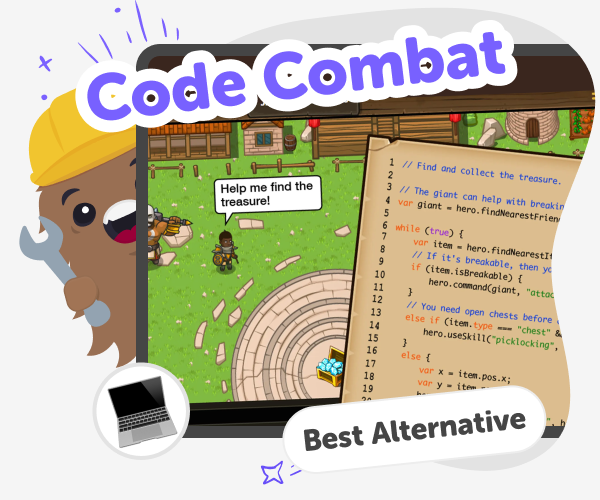
Code Combat | Vibe Coder: Play-to-Code Adventures
Play Code Combat-style levels with Vibe Coder. Kids learn real JavaScript and Python concepts through playful, safe, guided game-based coding.
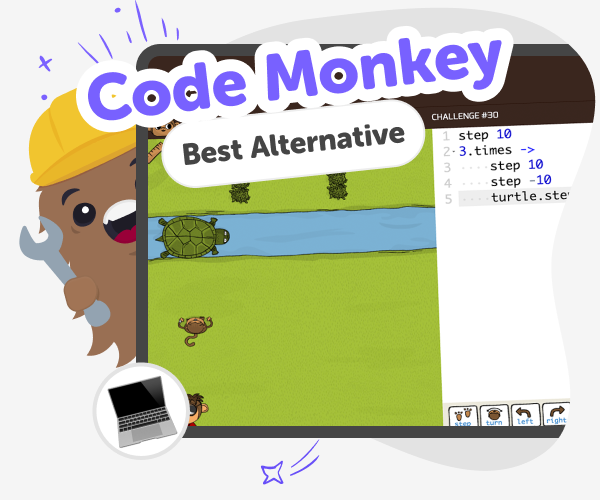
Code Monkey | Learn with Vibe Coder
Use Vibe Coder as a kid-friendly Code Monkey alternative to build games, apps, and circuits. Learn coding concepts by remixing, creating, and sharing safely.
Coder Dojo | Run Dojo-style Coding Sessions with Vibe Coder
Run Coder Dojo-style missions using Vibe Coder. Kid-safe, guided coding sessions for kids to build games, apps, and hardware projects together or solo.
Codex for Kids | Vibe Coder Coding Helper
Use Vibe Coder as a kid-safe codex for kids that teaches coding, explains concepts, and helps turn ideas into games, apps, and websites.
Ready to start creating?
Join hundreds of thousands of kids already building cool stuff on DIY.ORG.