Write from an object’s perspective
I am a pencil inviting you to write a short story from my perspective, describing my actions, feelings, and everyday surroundings.




Step-by-step guide to write from a pencil's perspective
Step 1
Find a comfy spot at a table or on the floor and sit with your pencil and paper.
Step 2
Hold your pencil and look at it closely for one minute to notice its color shape and tiny marks.
Step 3
Pretend you are the pencil and imagine how your tip feels when someone picks you up.
Step 4
Write down three things your pencil can see or hear from the desk where it rests.
Step 5
Pick a personality for your pencil like cheerful tired curious or proud.
Step 6
Decide to write in first person present tense beginning with "I am a pencil."
Step 7
Write an opening sentence that starts "I am a pencil" and says who is holding you.
Step 8
Write three to five sentences about what your pencil does during a day using actions and feelings.
Step 9
Add two sensory details about how writing feels or sounds to your pencil.
Step 10
Read your story out loud once and change one sentence to make it clearer or more fun.
Step 11
Draw a small picture of your pencil and its surroundings next to your story using colouring materials.
Step 12
Share your finished story and drawing on DIY.org
Help!?
What can I use if I don't have a pencil, paper, or colouring materials?
If you don't have a pencil you can use a pen, crayon, or marker to hold and observe for the one-minute step, and replace paper or colouring materials with a notebook, scrap card, or a drawing app on a tablet for the final drawing.
I can't think of three things my pencil can see or hear—what helps?
Sit exactly where your pencil rests, touch its tip to the desk as in the 'pretend you are the pencil' step, listen for small sounds like the clock, chair, or a page turn, and jot down those small observations to finish the 'three things' step.
How can I adapt this activity for different ages?
For preschoolers have them dictate the 'I am a pencil' opening and draw while an adult writes the three-to-five action sentences, for early elementary follow the full instructions with simple feelings, and for older kids require richer sensory details, metaphors, and uploading to DIY.org.
How can we extend or personalize the story after finishing and drawing?
Make a mini-book by repeating the 'I am a...' opening for other desk objects, experiment with different personalities for the pencil as in the personality step, add color or speech bubbles to your drawing using the colouring materials, and upload both story and a recorded read-aloud to DIY.org for sharing.
Watch videos on how to write from a pencil's perspective
How to Mirror Objects in Perspective I Step-by-step guide #perspectivedrawing #mirrorobjects
4 Videos
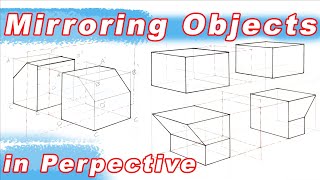
How to Mirror Objects in Perspective I Step-by-step guide #perspectivedrawing #mirrorobjects
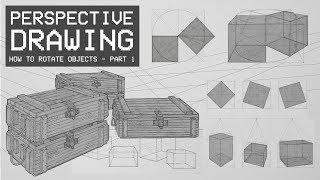
Perspective Drawing 9 - Rotating Objects in Perspective (Part 1)
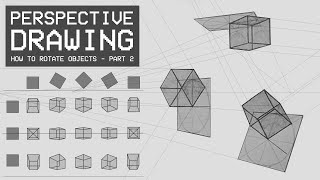
Perspective Drawing 16 - How To Rotate Objects In Perspective (Part 2)
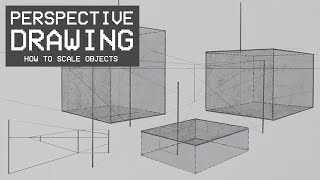
Perspective Drawing 8 - How to Scale Objects in Perspective
Facts about creative writing for kids
✏️ A single pencil can draw a line about 35 miles long or write roughly 45,000 words — that's a lot of stories!
🧠 Personification is a favorite trick in kids' books: it gives feelings to objects so children can relate.
👀 Telling a story in the object's "I" voice is called a first-person narrative — it makes readers live inside the object's day.
📚 Classics like The Velveteen Rabbit and movies like Toy Story use anthropomorphism to make toys and pencils feel alive.
🎨 Tiny details — how a pencil smells, how its tip squeaks on paper — help readers imagine being the object.
How do I do the 'I am a pencil' short story activity with my child?
What materials do I need to write a short story from a pencil's perspective?
What ages is the 'I am a pencil' perspective-writing activity suitable for?
What are the benefits of writing a story from an object's perspective?
