Write and act out the who, what and why in your scene
Write a short scene that shows who, what, and why; then rehearse and act it out with gestures, voices, and simple props for an audience.


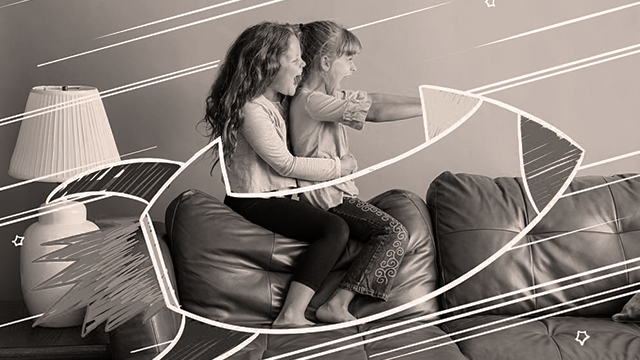

Step-by-step guide to write and act out a short scene showing who, what, and why
Step 1
Gather your materials from the Materials Needed list.
Step 2
Choose your main character and write their name at the top of the paper.
Step 3
Decide the main action or problem (the what) and write one short sentence about it.
Step 4
Decide why your character wants to do or solve the action (the why) and write one short sentence.
Step 5
Write a short scene of four to six lines that shows who what and why.
Step 6
Add a simple gesture note and a voice mood word next to each line to show how to act it.
Step 7
Pick one or two simple props and write which character will use each prop.
Step 8
Read the scene slowly while practicing the gestures and voice moods once.
Step 9
Rehearse the scene again while using the props.
Step 10
Invite a friend or family member to be your audience.
Step 11
Clear a small performance area so you have space to act.
Step 12
Perform your scene for the audience using your gestures voices and props.
Step 13
Ask your audience for one quick helpful idea to improve the scene.
Step 14
Make one small change to your lines gestures or props based on the idea.
Step 15
Share your finished scene on DIY.org.
Help!?
What can we use if we don't have the items from the Materials Needed list or store-bought props?
Substitute household items like a sock puppet, wooden spoon, stuffed animal, or a sheet of paper and pencil so you can still 'choose your main character,' 'write' the who/what/why, and 'pick one or two simple props.'
My child keeps forgetting lines or can't fit the who, what, and why into four to six lines—what should we do?
Write a short cue word and the 'gesture note and a voice mood' next to each line, then 'read the scene slowly while practicing the gestures' and 'rehearse the scene again while using the props' to improve memory and tighten the scene into four to six lines.
How can we adapt this activity for different ages?
For younger kids, have them draw the main character and the what/why and perform one- or two-line scenes with big gestures, while older kids can write a full four-to-six-line scene, add detailed voice moods next to each line, and rehearse with props and an audience.
How can we extend or personalize the scene after the basic performance?
Add a simple costume or cardboard set, create a sound effect with a household object, videotape the performance to 'share your finished scene on DIY.org,' and then make one small change based on the audience's helpful idea.
Watch videos on how to write and act out a short scene showing who, what, and why
Relight Your Scene Using VFX Passes - Tutorial
4 Videos

Relight Your Scene Using VFX Passes - Tutorial
Part 21/38. Drawing a character - Learning Moho from beginner to expert

Build your scene in 10 minutes | D5 Quick Start Tutorial for Beginners
CreateStudio - How to Make an Amazing Scene With 3D Character
Facts about drama and scriptwriting for kids
🎭 The world's longest-running play is Agatha Christie's The Mousetrap, performed in London's West End since 1952.
✍️ William Shakespeare is credited with writing about 37 plays—great examples to study short scenes and characters.
🎬 A good script tells who is speaking, what they do or say, and why they do it, which is exactly what this activity practices.
🤹♀️ Improvisation games are common warm-ups in drama classes because they boost quick-thinking and expressive gestures.
🧰 A simple prop like a hat or a spoon can instantly transform an actor's character and help the audience understand the story.
How do I write and act a short scene that shows who, what, and why?
What materials do I need to write and perform a short scene with props?
What ages is writing and acting a short who-what-why scene suitable for?
What are the benefits of writing and acting short scenes for kids?
