Who's Your Spotter?
Practice being a safe spotter for basic gymnastics moves by learning hand placements, verbal cues, and partner trust while using soft mats for safety.


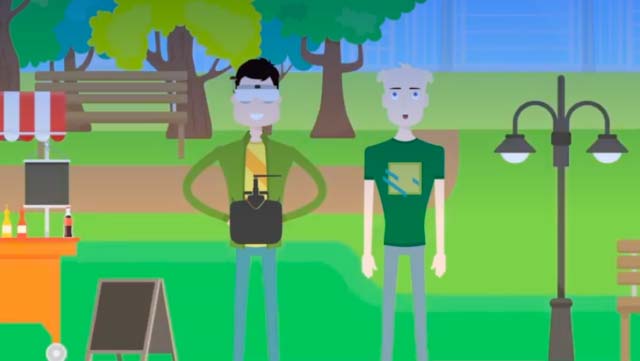

Step-by-step guide to Who's Your Spotter?
Step 1
Lay the soft mats flat on a clear level floor.
Step 2
Clear the practice area of toys furniture and any obstacles.
Step 3
Put on comfortable clothing that lets you move easily.
Step 4
Remove jewelry and tie long hair back securely.
Step 5
Choose a partner to practice with.
Step 6
Stand facing your partner two arm's lengths apart on the mat.
Step 7
Warm up together with five minutes of light stretches for wrists shoulders hips and legs.
Step 8
Agree on three clear verbal cues such as "Ready" "Spot" and "Stop" and decide what each cue means.
Step 9
Show the spotter stance by standing with one foot forward knees slightly bent and hands ready at chest height.
Step 10
Practice spotting a forward roll by standing beside the gymnast placing your hands on their hips and gently guiding the tuck and roll while saying "Spot."
Step 11
Practice spotting a handstand while kneeling by placing one hand on the gymnast's lower back and the other near their legs to help lift and steady.
Step 12
Swap roles so your partner becomes the spotter and you become the gymnast.
Step 13
Share your finished spotting practice on DIY.org.
Help!?
What can we use instead of soft mats if we can't find them?
Use several folded thick blankets or a firm yoga mat placed on a clear, level carpeted floor and lay them flat to recreate a cushioned landing surface for the spotting drills.
I'm having trouble guiding the forward roll—what should the spotter do differently?
If the forward roll feels unstable, the spotter should stand beside the gymnast in the spotter stance with knees slightly bent, keep both hands gently on the gymnast's hips, cue 'Spot' when guiding the tuck, and support the roll instead of pushing.
How can we adapt this activity for younger or older children?
For younger kids shorten the warm-up to 2–3 minutes, keep the spotter kneeling for both forward rolls and handstand support with closer arm's-length spacing, and for older kids increase stretches to 5–10 minutes and practice spotting from standing with lighter hands before swapping roles.
How can we make the activity more fun or personalized?
Make it personal by creating new verbal cues, timing and recording each forward roll and handstand practice to review hand placement on the hips and lower back, and then share your edited clip on DIY.org.
Watch videos on how to be a safe spotter (Who's Your Spotter?)
How To Properly Use A Spotter In Weightlifting? - Test
4 Videos
How To Properly Use A Spotter In Weightlifting? - Test

How Do College Students Use Proper Spotter Commands? - Test

How To Use Proper Spotter Etiquette In College Weightlifting? - Test

What Is Proper Spotter Etiquette For College Gyms? - Fitness for College Students
Facts about gymnastics spotting and safety
🤝 A great spotter uses their whole body — arms, legs, and core — to safely guide and support a gymnast.
🧠 Clear verbal cues like “ready,” “go,” and “help” help partners react faster and avoid surprises.
🛡️ Soft mats can cut impact forces dramatically, making it safer to practice new moves and falls.
📏 Proper hand placement (close to the hips or shoulders) gives better control than grabbing limbs.
🤸 Trust-building drills — like holding a still balance before adding motion — are common in spotting practice.
How do you run the "Who's Your Spotter?" activity?
What materials do I need for "Who's Your Spotter?"
What ages is "Who's Your Spotter?" suitable for?
What are the safety tips for "Who's Your Spotter?"
