What Foods Make You Smile?
Make and taste test smiley face snacks, record which foods make you smile, and learn simple facts about how food can affect mood.


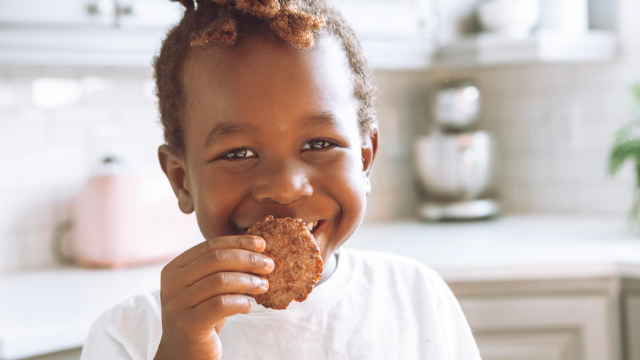

Step-by-step guide to make and taste test smiley face snacks
Step 1
Wash your hands with soap and water and dry them.
Step 2
Ask an adult to help you with the snack activity.
Step 3
Put all materials on a clean table or countertop.
Step 4
Pick five different snack foods with different tastes and textures to test.
Step 5
Make one smiley face snack on a plate using one food as the base and others for eyes and a mouth.
Step 6
Make one smiley snack for each of the five foods so you have five snacks to test.
Step 7
On your paper write the name of each snack and draw a small prediction face showing if you think it will make you smile.
Step 8
Taste each smiley snack one at a time.
Step 9
After tasting write how each snack made you feel beside its name using words or little drawings.
Step 10
For each snack write one simple fact about how that kind of food can affect mood for example fruits give vitamins for energy or sugary treats can give quick energy then a crash.
Step 11
Put leftovers away or throw them out with an adult's help.
Step 12
Wipe the table and wash any dishes with an adult's help.
Step 13
Share your finished smiley snacks and your mood chart on DIY.org.
Help!?
What can I use if I don't have a plate, five different snack foods, or paper for the activity?
Use a clean cutting board or parchment as a plate, choose five items from different categories (for example fruit, cheese, cracker, nut/seed, and a sweet spread) if packaged snacks are limited, and write on a napkin, the back of a cereal box, or a piece of cardboard for your prediction and mood notes.
My smiley snacks keep falling apart when I try to make them—how can I fix that?
Pick a sturdier base like a rice cake or slice of bread, spread a thin layer of peanut butter or cream cheese to ‘glue’ eyes and mouth in place, and ask an adult to help cut small topping pieces flat so they stay put while you follow the step 'Make one smiley face snack on a plate.'
How should we adapt the steps for younger or older kids doing this tasting activity?
For toddlers, simplify to three pre-cut soft foods with close adult supervision for tasting and cleanup, while older kids can do five snacks blindfolded, record detailed mood words and drawings on the paper, and write one nutrition fact per snack as the instructions request.
What are some ways to extend or personalize the 'What Foods Make You Smile?' activity after finishing the basic steps?
Make a photo 'Smile Chart' poster with pictures of each smiley snack, add the mood notes and one simple fact about each food beneath the picture as the instructions suggest, and try keeping a short week-long diary comparing how those foods affect your mood over several days.
Watch videos on how to make and taste test smiley face snacks
How to Teach Kids Healthy Eating Habits | Ask The Expert
3 Videos
How to Teach Kids Healthy Eating Habits | Ask The Expert
Healthy Eating: An introduction for children aged 5-11
Top 5 Healthy Food for Kids under 5 years | Healthy Eating for Children
Facts about how food affects mood in children
😊 Smiling while you eat can actually make flavors feel brighter — your face helps your brain feel happier!
🧠 About 90% of the body's serotonin is made in the gut, so what you eat can influence your mood.
🍫 Dark chocolate contains small compounds that can lift mood and make snacking feel comforting.
🍌 Bananas have vitamin B6 and other helpers that support your brain in making 'happy' chemicals.
🌈 Eating colorful fruits and veggies not only looks fun but gives your brain different nutrients that can boost energy and enjoyment.
How do you do the 'What Foods Make You Smile?' activity?
What materials do I need for the 'What Foods Make You Smile?' activity?
What ages is the 'What Foods Make You Smile?' activity suitable for?
What are the benefits of doing the 'What Foods Make You Smile?' activity?
