Use body language
Practice using body language to express feelings and stories through charades, mirror exercises, and posture games to improve communication skills.


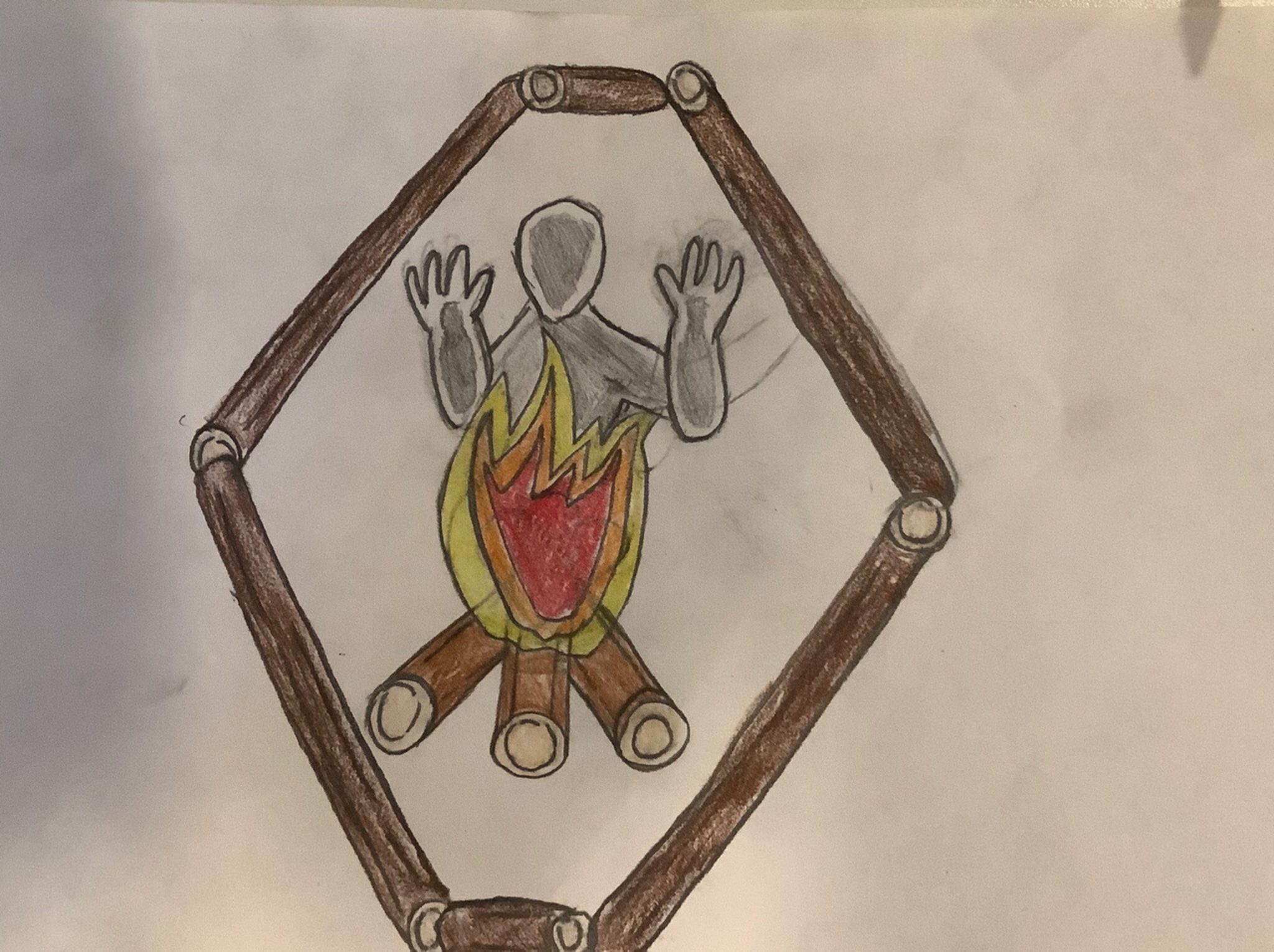

Step-by-step guide to practice body language to express feelings and stories through charades, mirror exercises, and posture games
How To Read Body Language
Step 1
Gather the materials listed and bring them to the place where you will play.
Step 2
Clear a safe open space where you can move your arms and legs without bumping anything.
Step 3
Set a timer for one minute to use for your warm-up.
Step 4
Walk slowly around your space for one minute while swinging your arms to warm up your body.
Step 5
Stand in front of the mirror and make five different facial expressions holding each one for five seconds.
Step 6
Write six emotions or short story prompts on separate pieces of paper or index cards.
Step 7
Put the cards face down and pick one card without looking at it.
Step 8
Act out the emotion or prompt from the card without using words for up to sixty seconds while facing the mirror or a partner.
Step 9
Stand tall like a proud statue and freeze for thirty seconds to practice strong posture.
Step 10
Stand slumped like a tired person and freeze for thirty seconds to practice contrasting posture.
Step 11
Pick three cards from your pile and look at them to get ready for a short scene.
Step 12
Use only your body and face to act a one-minute silent scene that links the three cards together.
Step 13
Share a photo or video of your finished performance on DIY.org.
Help!?
What can I use if I don't have a mirror, index cards, or a kitchen timer for this activity?
Use your phone's front-facing camera or a shiny window for the 'stand in front of the mirror' step, tear scrap paper or post-its for the six prompt cards, and the phone stopwatch or a kitchen clock for the one-minute warm-up and sixty-second acting rounds.
What should I do if my child keeps bumping into things during the 'walk slowly while swinging your arms' warm-up or can't stay still when freezing postures?
Clear a larger marked floor area with tape or pillows before the 'clear a safe open space' step and practice shorter freezes (10–15 seconds) gradually increasing to thirty seconds so they learn balance without knocking into furniture.
How can I adapt the timing and difficulty of the activities for different ages?
For toddlers shorten the warm-up to 30 seconds and hold only three facial expressions for three seconds each using picture prompts, while older kids can extend the silent scene to three minutes and combine cards into more complex story objectives when linking the three prompts.
What are some ways to extend or personalize the final performance before sharing on DIY.org?
Add simple props or costume pieces for the 'act out the emotion or prompt' and 'pick three cards' scene, choose a theme or music (played during rehearsals but not performance) to inspire movement, and film the final one-minute silent scene on your phone to edit a title clip before uploading to DIY.org.
Watch videos on how to practice body language to express feelings and stories through charades, mirror exercises, and posture games
How To Read Body Language
4 Videos
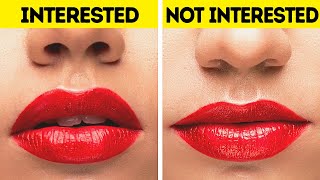
How To Read Body Language
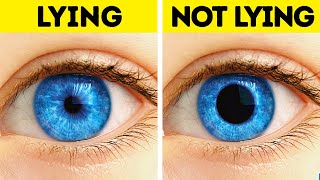
HOW TO READ BODY LANGUAGE
Developing Students' Language Skills

11. Language Development: What Do Children Say? (audio only)
Facts about nonverbal communication for kids
🕵️♀️ People around the world can often recognize six basic facial expressions: happiness, sadness, anger, fear, surprise, and disgust.
🎭 Charades started as a theatrical guessing game in 18th-century Europe and is still a favorite party game today.
🧠 Mirror neurons fire both when we perform an action and when we watch someone else do it, helping us imitate and understand others.
🪞 Actors and therapists use mirror exercises to spot small changes in posture and expression and to build self-awareness.
🤝 Standing tall with open arms and relaxed shoulders usually makes someone look more confident and approachable.
How do I practice body language activities like charades and mirror exercises with my child?
What materials do I need for body language games and posture exercises?
What ages are body language activities suitable for?
What are the benefits of practicing body language and nonverbal communication with children?
