Upcycle furniture
Upcycle a small wooden stool by sanding, painting with non-toxic paint, adding stencils or fabric decorations, and using safe tools with adult help.


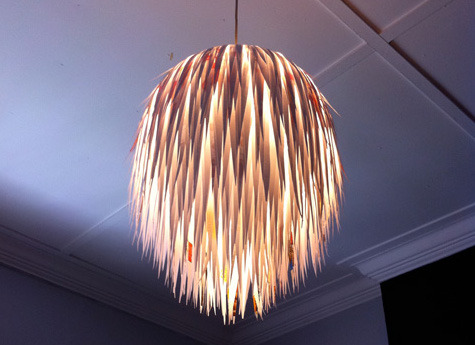

Step-by-step guide to upcycle a small wooden stool
How To Upcycle Furniture - Bunnings Warehouse
Step 1
Lay the drop cloth on the floor in a well-ventilated area and clear space around it.
Step 2
Wipe the stool with a damp cloth to remove dust and dirt.
Step 3
Sand the stool with medium grit sandpaper to remove old finish or rough spots.
Step 4
Sand the stool again with fine grit sandpaper to make the surface smooth.
Step 5
Wipe away all sanding dust using the damp cloth until the surface feels clean.
Step 6
Use masking tape to cover any parts you do not want painted like rubber feet or metal hardware.
Step 7
Paint one even base coat of non-toxic paint over the whole stool with a paintbrush.
Step 8
Let the base coat dry completely according to the paint label or until it is not tacky.
Step 9
Choose whether you will add a stencil design or a fabric decoration to your stool.
Step 10
Position and tape your stencil in place or arrange the fabric scrap where you want it on the stool.
Step 11
If using a stencil paint over it carefully with a small brush using dabbing motions; if using fabric spread craft glue on the stool and press the fabric down smoothing out wrinkles.
Step 12
Let the decoration dry fully until the paint or glue is set.
Step 13
Brush on a thin coat of clear non-toxic sealer and let it dry to protect your design.
Step 14
Check the stool to make sure everything is dry and tidy any rough edges if needed.
Step 15
Take a picture of your upcycled stool and share your finished creation on DIY.org
Help!?
What can we use instead of a drop cloth, medium/fine grit sandpaper, or the specific non-toxic paint and sealer named in the instructions?
Use an old sheet or newspapers for the drop cloth (Step 1), a sanding sponge in place of medium and fine grit sandpaper for Steps 3–4, and swap the named non-toxic paint and clear non-toxic sealer in Steps 7 and 13 for water-based acrylic craft paint and a water-based clear craft sealer.
What should we do if the paint looks rough, bubbles, or peels after painting?
If the finish is rough or peels, re-wipe away all sanding dust from Step 5, lightly sand again with fine grit as in Step 4, then ensure the base coat in Step 8 is fully dry before proceeding to decoration in Step 10.
How can we adapt the activity for different ages?
Have an adult handle sanding and masking in Steps 3–5 and Step 6 for preschoolers while letting them do the base coat (Step 7) and press fabric (Step 11) with supervision, and let older kids or teens perform all steps including precise stenciling (Step 11) and sealing (Step 13) for a more advanced project.
What are simple ways to enhance or personalize the upcycled stool after following the instructions?
Add a cushioned seat by gluing foam and fabric to the top before Step 11, or distress the dried base coat from Step 8 with light sanding and then apply an extra coat of clear sealer in Step 13 for a vintage look.
Watch videos on how to upcycle a small wooden stool
Upcycle a vintage suitcase into a table! Simple decoupage and paint tutorial!
3 Videos
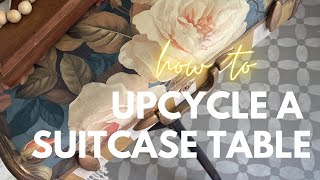
Upcycle a vintage suitcase into a table! Simple decoupage and paint tutorial!
11 Simple Thrift Store Upcycles - Turn Trash Into Treasures Today!

How Can You Upcycle Furniture at Home? - LearnToDIY360.com
Facts about upcycling and furniture refinishing for kids
🪑 Stools are among the oldest known pieces of furniture—examples have been found in ancient Egyptian tombs.
♻️ Upcycling keeps items out of landfills and usually uses less energy and raw materials than making new products.
🎨 Water-based non-toxic paints (like acrylic and milk paint) have much lower VOCs and are safer for kids and indoor projects.
🪚 Sanding with the wood grain and moving to finer grit sandpaper helps finishes stick and gives a smoother result.
✨ Stencils and fabric decorations let you make repeatable, bold designs quickly—and stencils can be reused for future projects.
How do I upcycle a small wooden stool with my child?
What materials and tools do I need to upcycle a wooden stool?
What ages is upcycling a stool suitable for?
What are the benefits and safety tips for upcycling furniture with kids?
