Try New Styles of Calligraphy
Practice different calligraphy styles using simple pens and brushes, create an alphabet sample page and a decorated greeting card to compare techniques.


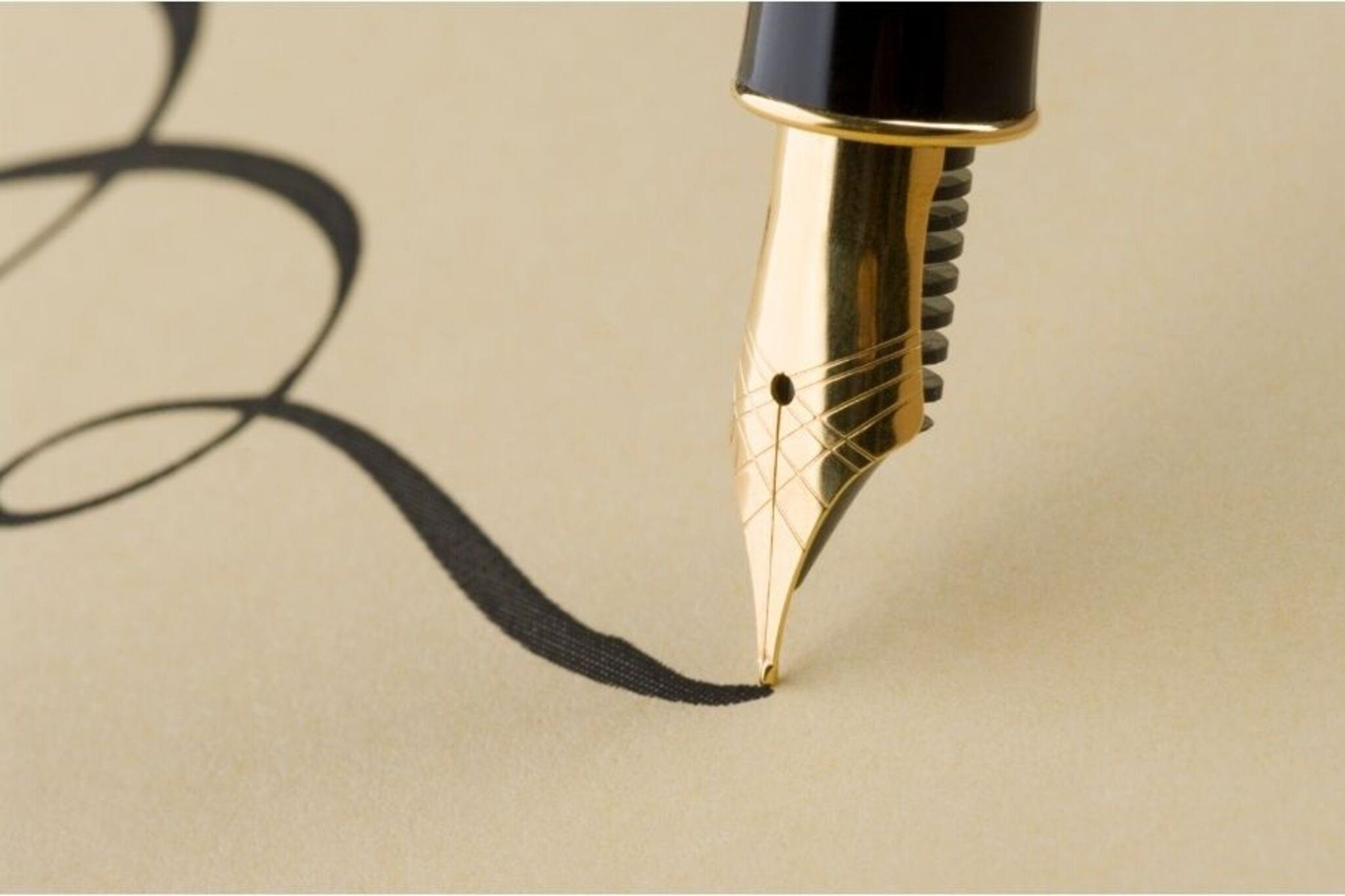

Step-by-step guide to try new styles of calligraphy
The Easiest Kind of Calligraphy (In 3 Minutes!)
Step 1
Gather all the materials listed and bring them to your workspace.
Step 2
Clear a flat workspace so you have room to write and move your arms.
Step 3
Use the pencil and ruler to draw two sets of horizontal guidelines on a fresh sheet for your sample page.
Step 4
Warm up by using the brush pen to make thick downstrokes and thin upstrokes on scrap paper for two minutes.
Step 5
Practice the full alphabet in a brush calligraphy style on scrap paper using the brush pen.
Step 6
Practice faux calligraphy on scrap paper by writing letters with the fine-tip pen and then thickening the downstrokes.
Step 7
Choose the two styles you like best from your practice to put on the sample page.
Step 8
Write the name of the first chosen style above the first set of guidelines on your sample page.
Step 9
Write the full lowercase and uppercase alphabet for the first style on the first guideline set.
Step 10
Write the name of the second chosen style above the second set of guidelines on your sample page.
Step 11
Write the full lowercase and uppercase alphabet for the second style on the second guideline set.
Step 12
Fold the cardstock or blank card in half to make a greeting card shape.
Step 13
Decorate the front of the card using one of your calligraphy styles and colouring materials.
Step 14
Write a short message inside the card using the other calligraphy style to compare how they look.
Step 15
Share your finished sample page and decorated greeting card on DIY.org.
Help!?
What can I use if I don't have a brush pen or cardstock?
Use a small round paintbrush with watercolor or India ink or a soft-tip marker in place of the brush pen for the warm-up and brush calligraphy practice, and fold two sheets of printer paper or glue paper to make a card if you don't have cardstock.
My downstrokes look uneven—what should I check or do?
Before writing on the sample page, make sure your pencil and ruler guidelines are straight, do the two-minute brush pen warm-up on scrap paper to steady pressure, slow and press consistently on downstrokes, and rest your forearm on the table so strokes follow the guidelines.
How can I adapt this activity for different ages?
For younger kids pre-draw bold guidelines and give chunky markers to trace letters and decorate the card, while older children can do the full warm-up, practice both brush and faux calligraphy alphabets, add flourishes on the sample page, and write a longer message inside the folded cardstock.
How can we make the finished sample page and greeting card more special?
Add a light watercolor wash to the cardstock before you decorate the front, highlight downstrokes with metallic or gel pens when decorating the card, glue small cut-outs from your colouring materials, and photograph or scan the finished sample page and card to share on DIY.org.
Watch videos on how to try new styles of calligraphy
Calligraphy for Absolute Beginners: The Only Video You Need!
4 Videos
Calligraphy for Absolute Beginners: The Only Video You Need!
Learn Calligraphy in 5(ish) Minutes With Just a PENCIL!
How To: Calligraphy & Hand Lettering for Beginners! Tutorial + Tips!
Easy Calligraphy for Beginners | Step-by-Step Brush Lettering Tutorial for Kids & Adults
Facts about calligraphy and hand lettering for kids
🖋️ The word "calligraphy" comes from Greek roots meaning "beautiful writing" (kallos + graphein).
✒️ Edward Johnston is often called the father of modern calligraphy for reviving broad-nib pen lettering in the early 1900s.
🖌️ Brush calligraphy (common in East Asia) relies on pressure and wrist movement to create thick and thin strokes — the brush behaves like a tiny dance partner.
📜 Copperplate script is named after engraved copper plates that were used to print elegant handwriting models in the 1700s–1800s.
🔁 Short daily practice (even 5–10 minutes) helps build muscle memory faster than occasional long sessions — repetition is your secret tool.
How do I guide my child to try new calligraphy styles and make a sample page and greeting card?
What materials do I need to practice different calligraphy styles with kids?
What ages is trying different calligraphy styles suitable for?
What are the benefits of practicing different calligraphy styles with children?
