Try changing the order of your songs
Create different playlists by changing the order of songs, then listen and compare how sequencing affects mood, energy, and story.



Step-by-step guide to reorder songs to create playlists
How to Arrange Songs in Order on USB?
Step 1
Pick 6 to 8 favorite songs you want to experiment with.
Step 2
Write each song title on your paper with a small box next to each for notes.
Step 3
Choose a theme for your test like "calm to energetic" or "a mini story."
Step 4
Create Playlist A on your music app and add the songs in one order that matches your theme.
Step 5
Listen to Playlist A from start to finish without skipping any songs.
Step 6
Write three words that describe the mood energy and story you felt from Playlist A.
Step 7
Make Playlist B by reordering the same songs into a different sequence (try the opposite order).
Step 8
Listen to Playlist B from start to finish without skipping any songs.
Step 9
Write three words that describe the mood energy and story you felt from Playlist B next to Playlist A notes.
Step 10
Compare the words for Playlist A and B and circle the biggest differences you notice.
Step 11
Create Playlist C by arranging the songs to tell a clear beginning middle and end.
Step 12
Listen to Playlist C and draw a quick picture that shows how it made you feel.
Step 13
Share your favorite playlist order and your notes or drawing on DIY.org.
Help!?
What can we use if we don't have a music app, paper, or access to DIY.org?
Use your phone's built-in music player, a CD player, or MP3 files to make Playlist A/B/C, write song titles and small boxes on a notebook or index cards for the notes step, and share your favorite order and drawing by emailing a photo or showing it on a family device instead of posting to DIY.org.
My child keeps skipping songs during the 'listen to Playlist A/B/C from start to finish' steps—how can we prevent that?
Before starting steps 5, 7, and 10, turn off shuffle and notifications, set the app to play the exact order, and place the paper with small boxes where the child can tick each song after it finishes so they follow without skipping.
How can we adapt the activity for toddlers, elementary kids, and teens?
For toddlers pick 3–4 very familiar songs and let them draw feelings instead of writing in steps 5 and 7, elementary kids can use 6 songs and write three words with a parent's help to reorder Playlist B, and teens can use all 6–8 songs to analyze lyrics, craft a precise beginning–middle–end Playlist C, and make a more detailed drawing or short written story.
How can we extend or personalize the playlist experiment beyond the basic instructions?
To deepen steps 11–13, add brief spoken transitions or sound effects between songs to emphasize the beginning/middle/end in Playlist C, time tracks to shape energy shifts, or invite family members to vote on their favorite order before sharing your notes or drawing.
Watch videos on how to reorder songs to create playlists
How To Change Order Of Songs In A Playlist Amazon Music
4 Videos
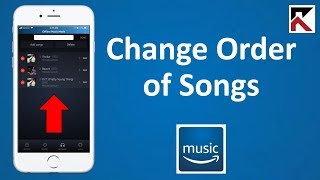
How To Change Order Of Songs In A Playlist Amazon Music
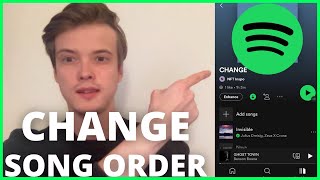
How To Change Song Order On Spotify Playlist (EASY 2025)
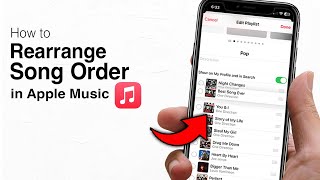
How to Change the Order of Songs on Apple Music - Step by Step

How To Change Order Of Songs In Playlist Spotify - Reorder Spotify Playlist - Mobile & PC
Facts about music sequencing and playlists
🎧 Changing the order of the same songs can turn one playlist into totally different stories — like a happy beginning or a dramatic ending!
🎵 Faster tempos and major keys are usually heard as higher-energy and happier, while slower tempos and minor keys often feel calmer or sadder.
🧠 Your brain loves musical patterns — when a playlist surprises you by breaking the pattern, it grabs attention and changes how you feel.
⚡ DJs carefully sequence tracks to build energy on the dance floor, often starting mellow and rising to peak moments.
🎭 Music therapists use playlists on purpose to help people move through emotions, from relaxation to motivation or reflection.
How do I guide my child to create playlists and compare how song order changes mood and story?
What materials or tools do I need to change song order and compare playlists?
What ages is this playlist sequencing activity suitable for?
What are the benefits of having kids change song order and listen for mood, energy, and narrative?
