Try a color you wouldn't normally use
Create a small painting using a color you wouldn't normally pick. Experiment with mixing, contrast, and note how the unexpected color changes your artwork.


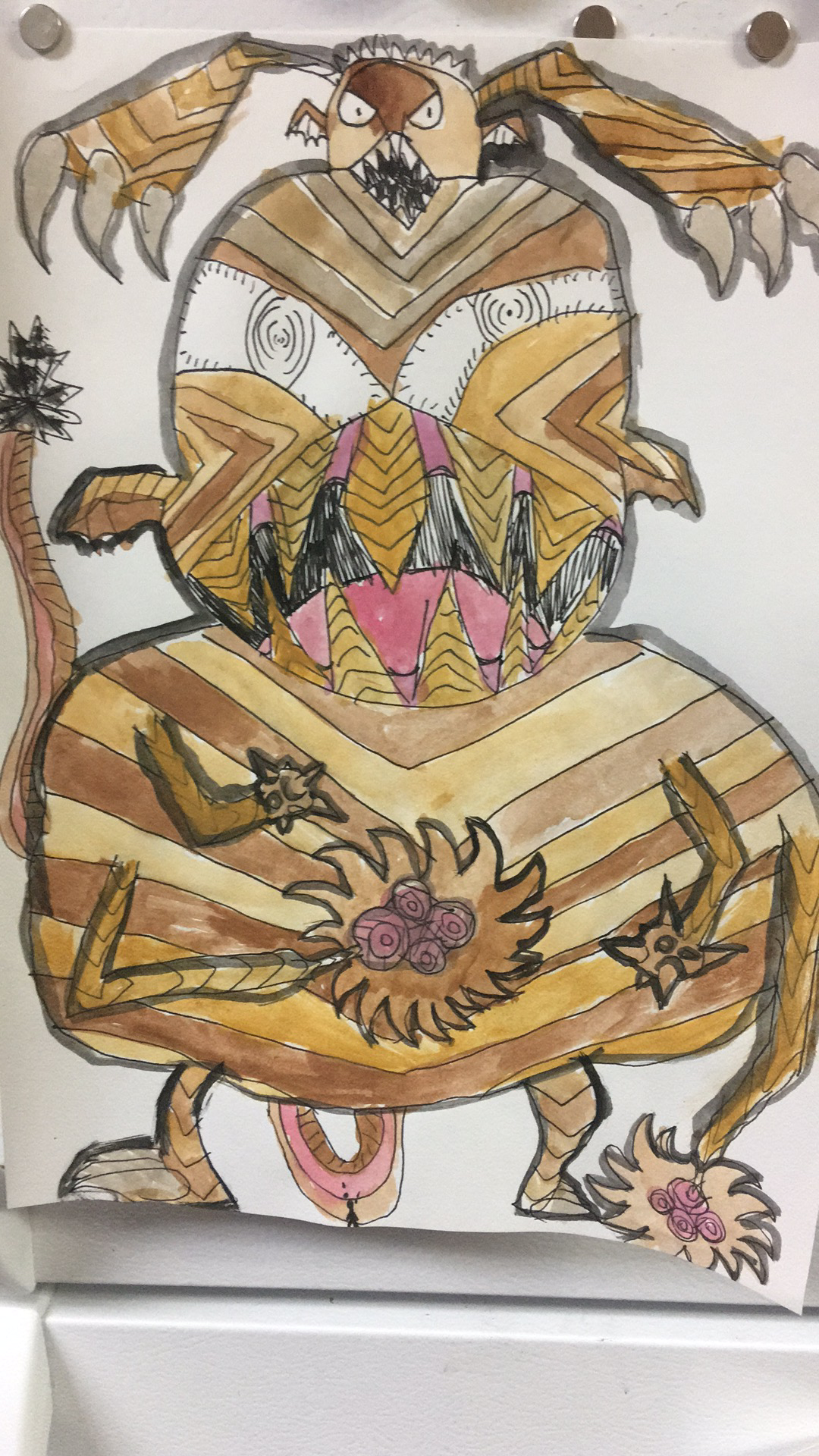

Step-by-step guide to try a color you wouldn't normally use
Step 1
Pick the paint color you usually avoid and set it aside.
Step 2
Spread a paper towel on the table to protect your work area.
Step 3
Put your paper or canvas on the paper towel.
Step 4
Squirt a small puddle of your unusual color onto the palette or plate.
Step 5
Dip your brush lightly into the cup of water.
Step 6
Wipe extra water off the brush on the paper towel.
Step 7
Paint a tiny test swatch of the unusual color on the scrap paper.
Step 8
Lightly sketch a simple subject on your paper with the pencil.
Step 9
Mix a little of the unusual color with a second color on the palette to make a new shade.
Step 10
Paint the main shapes of your picture using the unusual color and any mixes you made.
Step 11
Add a few contrasting details with a different color so the unusual color pops.
Step 12
Write one short sentence on the scrap paper about how the unexpected color changed your artwork.
Step 13
Share your finished creation on DIY.org
Help!?
If I don’t have a palette, canvas, or a proper paintbrush, what household items can I use instead?
Use a disposable paper or plastic plate or an empty yogurt lid as the palette, cereal-box cardboard or printer paper instead of canvas, and a kitchen sponge corner, cotton swab, or foam brush as a substitute brush while still squirting a small puddle and mixing colors on the plate.
My unusual color looks too watery or muddy when I paint—how can I fix this during the activity?
After dipping lightly into the cup of water, wipe extra water off the brush on the paper towel and paint a tiny test swatch on the scrap paper to adjust water amount or add small bits of the second color on the palette to deepen the shade without over-mixing.
How can I adapt the steps for different ages so the activity is safe and engaging?
For preschoolers, pre-sketch simple subjects and give a large brush and helper for wiping extra water and squirting puddles, while older kids can do finer pencil sketches, experiment mixing on the palette, paint detailed contrasting areas, write the reflective sentence themselves, and share on DIY.org.
What are some ways to extend or personalize the project after painting the main shapes with the unusual color?
Turn it into a mini-series by making three variations mixing the unusual color with different second colors on the palette, add texture with a crumpled paper towel or sponge for contrasting details, give each piece a short sentence on the scrap paper, and then post the collection on DIY.org.
Watch videos on how to try a color you wouldn't normally use
How To Paint With Watercolor (for kids)
4 Videos
How To Paint With Watercolor (for kids)

Tertiary Colors - Simple learning for kids

You HAVE to use this Color in EVERY Artwork! | Color Theory | DrawlikeaSir
Learn About Mixing Colors for Kids
Facts about color mixing and painting for kids
🎨 Artists often pick an unexpected color to create a surprise element that makes a painting feel more alive.
🌈 The color wheel idea goes back to Sir Isaac Newton, who first connected colors to a wheel in 1704.
🧪 In paint mixing, a tiny amount of a strong pigment can shift a whole color — a little goes a long way.
👀 Placing complementary colors (opposites on the color wheel) next to each other makes both look brighter and more vibrant.
🧠 Colors affect mood: unusual color choices can spark curiosity and make viewers look twice at your artwork.
How do I guide my child to create a painting using a color they wouldn't normally pick?
What materials do I need to try this unexpected-color painting activity at home?
What ages is this unexpected-color painting activity suitable for?
What are the benefits of asking a child to use a color they wouldn't normally choose?
