Time to Make Ink!
Make homemade natural ink using berries, tea, or charcoal; learn mixing, straining, and testing your ink by writing and drawing on paper.



Step-by-step guide to make homemade natural ink
Step 1
Choose one pigment source from berries or black tea or charcoal.
Step 2
Ask an adult to help and bring your materials to a clean workspace.
Step 3
Prepare your pigment by doing one of these: mash the berries in a bowl OR open the tea bags OR crush the charcoal into a fine powder.
Step 4
Put your chosen pigment into the small pot or bowl and add about 1 cup of water.
Step 5
With an adult, heat the pot gently on low for 8 to 10 minutes until the water becomes strongly colored or warm the mixture in the bowl for charcoal while stirring.
Step 6
Turn off the heat and let the mixture cool slightly for a few minutes.
Step 7
Pour the cooled mixture through the strainer or cloth into a clean bowl or jar to remove solids.
Step 8
Taste nothing and instead add a small pinch of salt and 3 to 5 drops of vinegar to the strained liquid to help it last.
Step 9
If the ink looks too light add a little more concentrated pigment or simmer a small amount with an adult to reduce it until the color is stronger.
Step 10
If the ink is too thick stir in a few drops of water until it flows like ink.
Step 11
Put a lid on your jar and test the ink by dipping a brush or cotton swab and writing or drawing on paper.
Step 12
Share a photo or description of your finished homemade ink and your writing or drawing on DIY.org.
Help!?
What can we substitute if we don't have a strainer or vinegar?
Use a clean dish towel, coffee filter, or paper towel to pour the cooled mixture through instead of the strainer or cloth, and replace the 3–5 drops of vinegar with 3–5 drops of lemon juice when you add a small pinch of salt to help the ink last.
My ink is too light or gritty — what should I do?
If the ink looks too light follow the instruction to add a little more concentrated pigment or simmer a small amount with an adult to reduce it, and if it's gritty re-crush the charcoal finer and pour the cooled mixture through the strainer or cloth again.
How can I adapt this activity for younger or older kids?
For younger children have an adult mash berries or open tea bags and handle the low-heat 8–10 minute step while the child stirs, strains through a cloth, and tests the ink with a cotton swab, whereas older kids can measure pigment amounts, safely simmer to concentrate colors, and experiment with the 3–5 drops of vinegar and a small pinch of salt for preservation.
How can we extend or personalize our homemade ink?
To enhance the ink try mixing two pigment sources like a little crushed charcoal with berry juice for deeper tones, add a tiny pinch of gum arabic or a drop of honey to improve flow before putting a lid on your jar, and label or decorate the jar after testing the ink with a brush or cotton swab.
Watch videos on how to make homemade natural ink
Invisible Ink | Crafts for Kids | PBS KIDS for Parents
4 Videos
Invisible Ink | Crafts for Kids | PBS KIDS for Parents
HOMEMADE INK I HOW TO MAKE INK AT HOME I DIY WHITEBOARD MAKER INK MAKING AT HOME
How to Make Invisible Ink | Full-Time Kid | PBS Parents
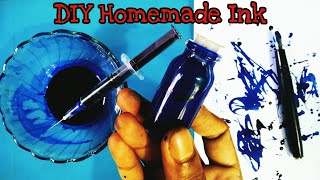
DIY Homemade Ink//How to Make Homemade Ink//Ink Making at Home.
Facts about natural dye and ink making
🖋️ Ancient scribes in Egypt and Mesopotamia were using soot- and plant-based inks more than 5,000 years ago.
🍇 Berries like blackberries and elderberries contain anthocyanins, pigments that can make purple-to-blue inks and change color with pH.
☕ Brewed tea contains tannins that give a warm sepia tone — it’s great for ink or for making paper look aged.
🔥 Charcoal or burnt wood mixed with a binder (like gum arabic) creates a carbon-rich black ink similar to traditional India ink.
🧪 A little acid (vinegar) or salt can alter plant-based ink colors or help pigments stick — experimenting changes results!
How do I make homemade natural ink using berries, tea, or charcoal?
What materials and tools do I need to make natural ink at home?
What ages is making natural ink suitable for and who needs supervision?
What safety tips should I follow when making and using homemade natural ink?
