The balloon blow up challenge!
Use baking soda and vinegar to inflate balloons, observe gas production, measure balloon sizes, and compare results to learn about pressure and reactions.


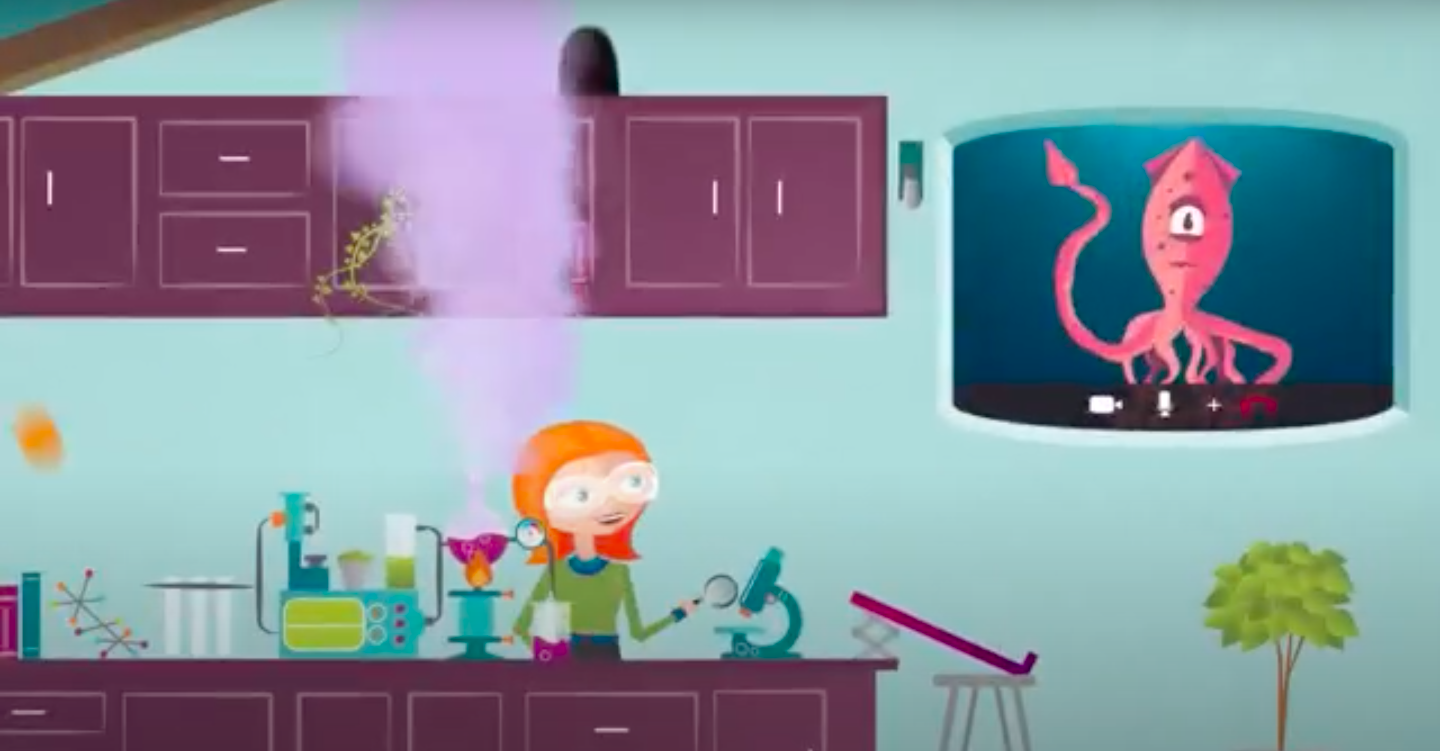

Step-by-step guide to the balloon blow up challenge
Step 1
Place the towel on a flat table to catch any spills.
Step 2
Put the three empty plastic bottles upright on the towel.
Step 3
Use the marker to label the bottles 1 2 and 3.
Step 4
Measure and pour 1/4 cup of vinegar into each bottle.
Step 5
Stretch each balloon by blowing it up a little and letting the air out to make it stretchy.
Step 6
Use the funnel to put 1/2 teaspoon of baking soda into Balloon 1.
Step 7
Use the funnel to put 1 teaspoon of baking soda into Balloon 2.
Step 8
Use the funnel to put 1 tablespoon of baking soda into Balloon 3.
Step 9
Stretch the mouth of each balloon securely over the matching bottle without letting the baking soda fall in yet.
Step 10
Lift Balloon 1 upright so the baking soda falls into Bottle 1 and watch the balloon inflate.
Step 11
Measure the widest part of Balloon 1 with the ruler and write down the number.
Step 12
Repeat Step 10 one at a time for Bottle 2 and Bottle 3 so each balloon inflates.
Step 13
Repeat Step 11 to measure and record the widths of Balloon 2 and Balloon 3.
Step 14
Compare the three measurements and write which balloon grew the biggest and why you think that happened.
Step 15
Share your finished creation and what you learned on DIY.org.
Help!?
What can we use if we don't have a funnel or measuring spoons for the baking soda and vinegar steps?
If you don't have a funnel, roll a piece of paper into a cone or use the corner of a small plastic bag to pour the baking soda into each balloon, and if you lack measuring spoons or a 1/4 cup, use a clean kitchen teaspoon/tablespoon and a marked cup to measure the 1/4 cup of vinegar for each bottle.
Why didn't my balloon inflate when I lifted it upright in Step 10?
If the balloon didn't inflate when lifted in Step 10, make sure the balloon mouth is stretched securely over the bottle neck (Step 8) so there are no leaks, that the baking soda actually dropped into the vinegar, and try using fresher vinegar or slightly warmer vinegar to speed the reaction.
How can I adapt the challenge for younger kids or older kids?
For younger children have an adult do Steps 3–9 (measuring 1/4 cup vinegar, filling bottles, funneling baking soda, and stretching/attaching balloons) while older kids can design extra trials, vary the baking soda or vinegar amounts, carefully measure balloon widths with the ruler in Step 11, and analyze results in Step 13.
How can we extend or personalize the Balloon Blow Up Challenge after we finish the basic steps?
You can personalize it by decorating the bottles and balloons before Step 5, testing new variables like bottle shape or vinegar temperature in additional trials, recording all ruler measurements and explanations from Step 13, and then photographing your biggest balloon to share on DIY.org.
Watch videos on how to do the balloon blow up challenge
Balloon challenge blow to popped five balloons in 3min.
4 Videos
Balloon challenge blow to popped five balloons in 3min.

Balloon Blow Up - Wacky Wednesday Activity for Kids
How to Blow Up a Balloon, for the One Commenter Who Asked | Basic Life Skills

Simple Science for Kids at Home | Balloon Experiment | Fun Learning with Grandma
Facts about simple chemistry experiments and gas pressure
🧪 The baking soda + vinegar reaction produces carbon dioxide gas, and that puff of CO2 is what inflates the balloon!
🎈 Just a teaspoon of baking soda and a few tablespoons of vinegar can inflate a small balloon in seconds — try different amounts to compare!
🌡️ Warmer vinegar speeds the reaction and inflates balloons faster because molecules move more quickly at higher temperatures.
🧮 Carbon dioxide (CO2) is heavier than air, so it doesn't float like helium — it tends to pool near the ground.
📏 You can measure balloon circumference or use water displacement to compare how much gas each mixture makes — that's real science data!
How do I do the Balloon Blow Up Challenge using baking soda and vinegar?
What materials do I need for the balloon blow up challenge?
What ages is the balloon blow up challenge suitable for?
What safety tips and variations should I know for this balloon reaction activity?
