Tell a Pirate Joke
Write and perform a pirate joke using simple props, a pirate voice, and gestures. Practice timing, delivery, and audience reactions for confidence.


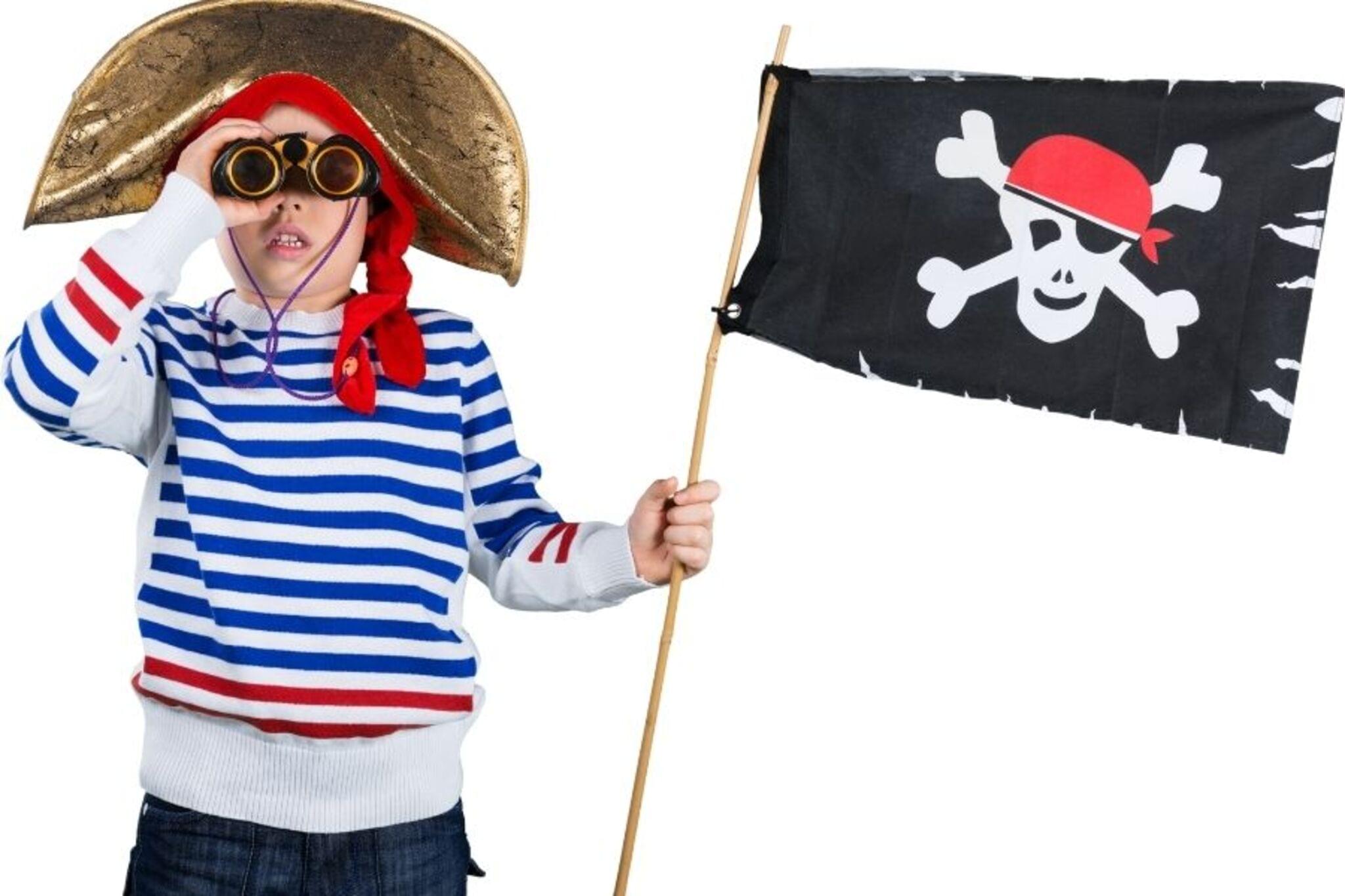

Step-by-step guide to tell a pirate joke
The Greatest Pirate Jokes Ever Told | CBC Kids
Step 1
Pick a pirate joke idea and write the main topic on your paper for example treasure parrot ship or map.
Step 2
Write the setup sentence of your joke on the paper so the audience knows the situation.
Step 3
Write the punchline on the paper so it clearly finishes the joke with a surprise or wordplay.
Step 4
Circle the words where you will pause for effect so you know your timing.
Step 5
Choose one prop to use and make a simple eye patch or bandana using the plain cloth or paper and colouring materials.
Step 6
Stand in front of the mirror and practice saying the setup with a pirate voice such as a gruff Arr or rolling R sound.
Step 7
Practice saying the punchline in the mirror and try one big gesture to match the joke for example pointing at your parrot or pretending to find treasure.
Step 8
Rehearse the whole joke three times using your prop your voice your pauses and your gestures all together.
Step 9
Perform the joke for a family member or a stuffed animal audience using your practiced timing and gestures.
Step 10
Share your finished pirate joke performance on DIY.org
Help!?
What can I use instead of plain cloth or paper and colouring materials to make an eye patch or bandana?
If you don't have plain cloth or paper, use a scrap of an old T‑shirt, a paper towel, or a sticky note and color it with markers or crayons to make your eye patch or bandana prop.
I'm having trouble remembering where to pause and getting the pirate voice right; what should I try?
Circle the words where you will pause on your paper and then practice slowly in front of the mirror, exaggerating the gruff 'Arr' and taking a deep breath before each pause to improve timing and voice.
How can I adapt this activity for different ages?
For younger children, pick a simple topic and write a one-line setup and punchline and rehearse once for a stuffed animal, while older kids can write longer wordplay jokes, rehearse the whole joke three times with extra gestures, and record to share on DIY.org.
How can I make my pirate joke performance more creative or personal?
Decorate your chosen prop like the eye patch or bandana with stickers or drawings, add a handmade treasure map or sound effect, include a signature gesture such as pointing at an imaginary parrot, and film the practiced performance to polish before sharing on DIY.org.
Watch videos on how to tell a pirate joke
Funny Pirate Jokes for Kids
3 Videos

Funny Pirate Jokes for Kids
Elinor Wonders Why | How To Talk Like a Pirate 🏴☠️ | PBS KIDS #Shorts
How to Talk Like A Pirate | 19 September | Talk Like A Pirate Day | Fun Lessons for Kids | Twinkl
Facts about public speaking and performance for kids
🏴☠️ The classic pirate "Arr!" voice was popularized by actor Robert Newton in the 1950s and stuck in movies and cartoons.
🎭 Pantomime performers use big gestures and faces to tell a story without words—perfect practice for pirate gestures.
🎤 Stand-up comedians often write and test dozens of versions of a joke before finding the best delivery.
😂 Laughter is contagious: hearing others laugh makes people much more likely to laugh too, which helps performers.
⏱️ A tiny pause before a punchline can make it land harder—timing is one of the funniest tools a performer has.
How do you do a Tell a Pirate Joke activity with kids?
What materials do I need to perform a pirate joke with kids?
What ages is the Tell a Pirate Joke activity suitable for?
What are the benefits of doing pirate joke performances with kids?
