Take the supertaster test
Take a supertaster test using safe bitter tasting strips or tonic water, compare taste intensity, and count tongue papillae to learn taste sensitivity.


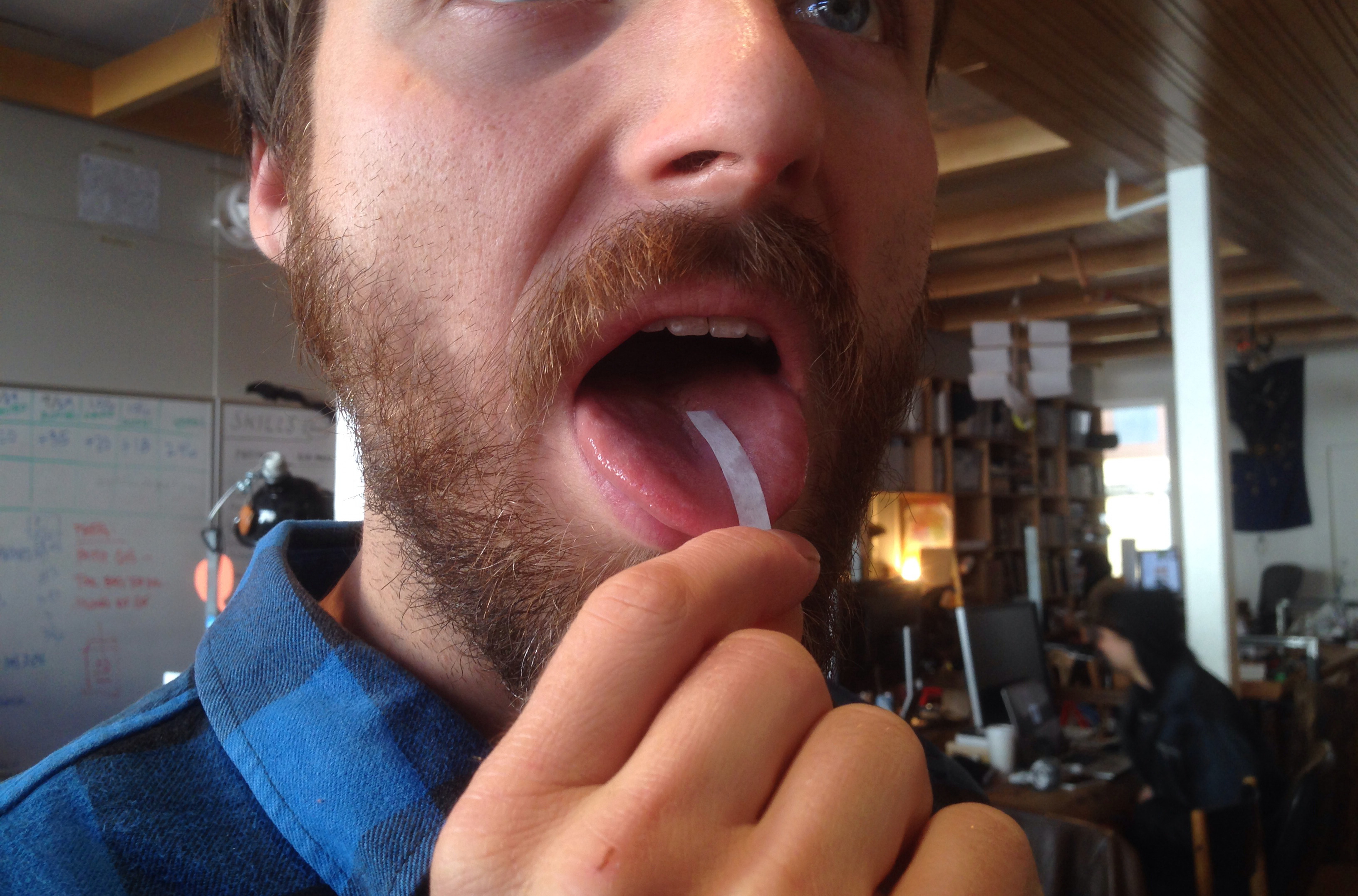

Step-by-step guide to take a supertaster test
Why Are Some Kids Supertasters? - Child Nutrition Essentials
Step 1
Wash your hands with soap and water for 20 seconds.
Step 2
Ask an adult to help set out all the materials on a clean table.
Step 3
Rinse your mouth with a small sip of water and spit it into the sink.
Step 4
Take a small sip of plain water to notice your baseline taste.
Step 5
With your adult helper take a tiny taste of the bitter strip or a tiny sip of tonic water and then spit it out.
Step 6
Write a number from 0 to 5 on your paper to rate how bitter the sample felt with 0 = no bitterness and 5 = very strong.
Step 7
Rinse your mouth with water and spit to clear the taste.
Step 8
Sit in front of the mirror and stick your tongue out as far as is comfortable.
Step 9
Hold the 1 cm paper circle near the tip of your tongue as a size guide without touching your tongue.
Step 10
Look inside the circle and count the small round bumps you can see on your tongue out loud as you point to each one in the mirror.
Step 11
Write down the total number of bumps you counted on your paper.
Step 12
Talk with your adult helper to compare your bitterness rating and your papillae count to see whether a strong bitterness matches a high bump count.
Step 13
Take a picture or write a short note about your results and share your finished creation on DIY.org
Help!?
What can we use if we don't have a bitter strip or a 1 cm paper circle?
If you can't find a bitter strip use a tiny sip of store-bought tonic water with an adult's help and spit it out, and if you don't have a 1 cm paper circle cut one by tracing the eraser end of a pencil or the tip of a marker onto paper as the size guide.
I can't see or count the small bumps on my tongue—what should I try?
Sit in front of a bright mirror, stick your tongue out as far as is comfortable, hold the 1 cm paper circle near the tip without touching your tongue, ask your adult helper to steady the circle, and point aloud to each bump as you count so you don't lose track.
How can we adapt the test for younger or older kids?
For younger children have an adult helper do the rinsing, hold the mirror and circle, and use a simple smiley-face 0–5 scale to point to bitterness, while older kids can test both bitter strip and tonic water, write ratings and papillae counts on paper, and compare results.
How can we extend or personalize the activity after finishing the test?
Try tasting two different samples (bitter strip and tonic water), make a small chart on your paper comparing bitterness ratings to your papillae count, decorate your results, take the picture the instructions suggest, and share your findings on DIY.org.
Watch videos on how to take a supertaster test
Are You A Supertaster | Test Your Tongue
4 Videos

Are You A Supertaster | Test Your Tongue

Emmy Takes the SUPERTASTER Test -- counting tastebuds

Are You a Supertaster?

Why Are Some Children Super-tasters And How Does It Affect Their Nutrition?
Facts about taste sensitivity and sensory testing
👅 About 25% of people are supertasters, ~50% are medium tasters, and ~25% are non-tasters — your test can sort you into a real group!
🧪 Scientists use bitter chemicals like PTC or PROP to spot supertasters because those flavors taste extra-strong to them.
🧬 A gene called TAS2R38 helps determine whether bitter compounds taste strong — tasting ability often runs in families.
🥤 Tonic water is bitter because it contains quinine, the same compound once used against malaria; modern tonic has only tiny, safe amounts.
🔬 Counting fungiform papillae (the little bumps on your tongue) is a simple way to estimate taste sensitivity — more bumps often mean stronger taste.
How do you do the supertaster test with kids?
What materials do I need for a supertaster test?
What ages is the supertaster test suitable for?
Is the supertaster test safe for children?
