Solve a 2x2 Cube
Learn step-by-step methods to solve a 2x2 Rubik's Cube using simple algorithms, practice finger tricks, and improve spatial reasoning and memory.


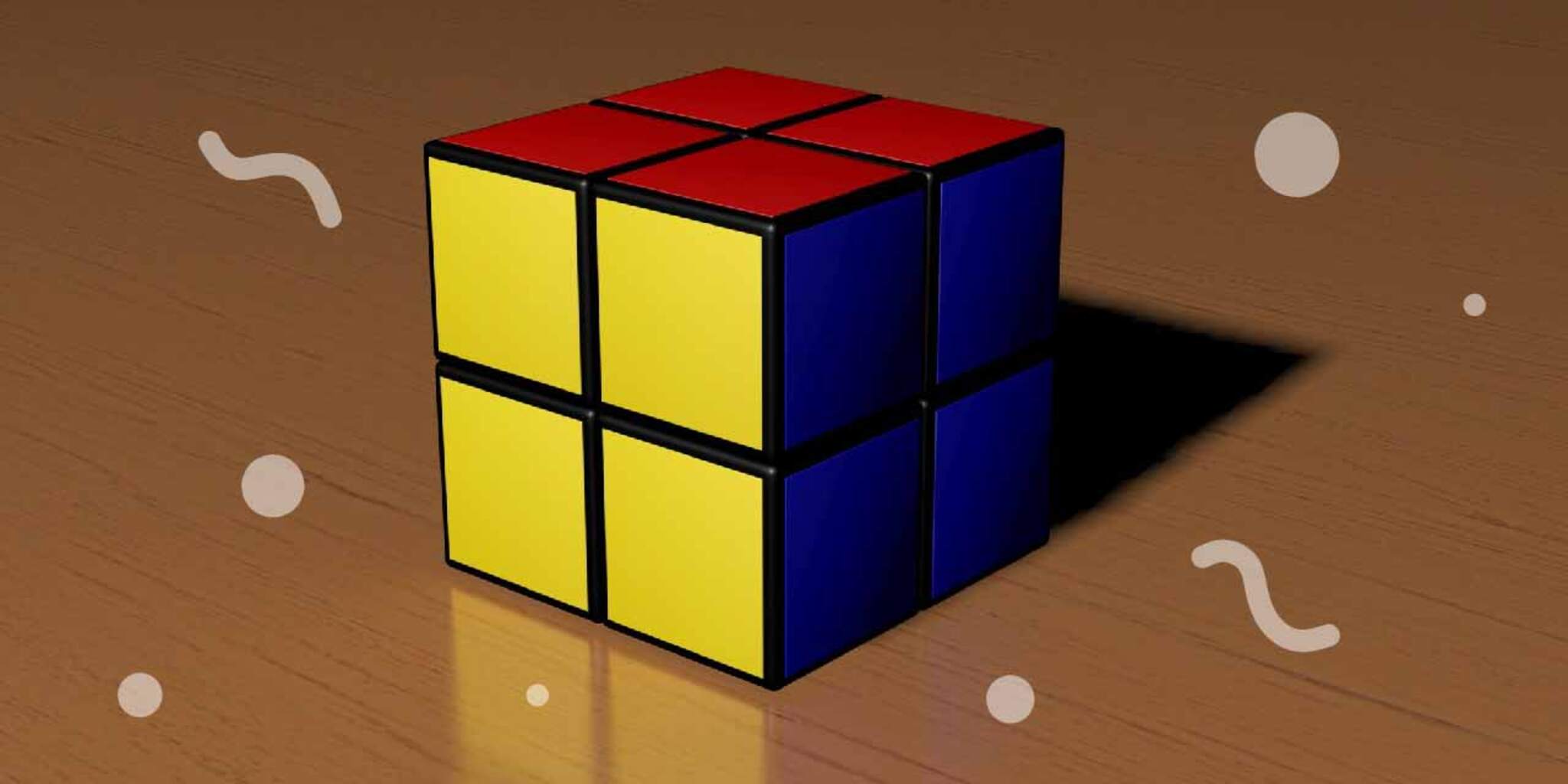

Step-by-step guide to solve a 2x2 Cube
Learn How to Solve a 2x2 Rubik's Cube (Beginner Tutorial)
Step 1
Choose one color to solve first (for example white) and hold that color on the bottom of the cube.
Step 2
Look around the cube and rotate the top layer until a corner with your chosen color is at the top-front-right position.
Step 3
Learn the corner-insert algorithm R' D' R D and practice it on that top-front-right corner until the corner drops into the bottom layer with the chosen color on the bottom.
Step 4
Find the next corner with your chosen color and bring it to the top-front-right position and repeat the R' D' R D algorithm until that corner is correct.
Step 5
Repeat the same find-and-insert action with R' D' R D for the remaining two corners until the entire bottom face and its bottom-layer corners are solved.
Step 6
Turn the cube so the solved layer stays on the bottom and check the top face colors to see which top-layer corners need changing.
Step 7
Learn the top-orient algorithm R U R' U R U2 R' and apply this algorithm repeatedly until the top face becomes all the same color.
Step 8
Practice finger tricks by using your index or middle finger to flick U moves and your ring or middle finger to push R moves so you can do algorithms faster and smoother.
Step 9
Learn the corner-permute algorithm U R U' L' U R' U' L and use it to move top-layer corners into their correct positions without disturbing the solved bottom.
Step 10
If any corner is twisted in its place move that corner to the top-front-right and use R' D' R D until it is oriented correctly, then reapply any needed top algorithms.
Step 11
Scramble the cube and practice solving it from start to finish several times until you can do the steps from memory and notice your speed and memory improving.
Step 12
Take a photo or write about your solved 2x2 progress and share your finished creation on DIY.org
Help!?
I don't have a 2x2 cube—what can we use instead?
Use a 3x3 cube but treat it like a 2x2 by only turning the outer layers and ignoring centers/edges, or download a 2x2 cube app or make a printable paper cube to practice the exact R' D' R D and R U R' U R U2 R' algorithms.
My corner doesn't drop into the bottom when I do R' D' R D; what am I doing wrong?
Confirm your chosen color is held on the bottom and the target corner is in the top-front-right position, then perform R' D' R D slowly while fully turning the D layer between repeats until the corner drops, making sure you don't swap R and R'.
How can I adapt this activity for different ages?
For preschoolers use a large foam or stickered cube and focus on finding the chosen color and one R' D' R D insertion with help, for elementary kids follow the full sequence and time solves, and for teens practice finger tricks (flick U with index/middle and push R with ring/middle) and speed up algorithm repetition.
How can we extend or personalize the cube-solving activity once we've learned it?
Customize the cube with new stickers or decorations, keep a timed progress chart, take photos or write about your solved 2x2 progress to share on DIY.org, and learn extra algorithms like the corner-permute U R U' L' U R' U' L to improve top-layer solves.
Watch videos on how to solve a 2x2 Cube
2x2 Rubik's Cube Beginner Method Example/Walkthrough Solve
4 Videos
2x2 Rubik's Cube Beginner Method Example/Walkthrough Solve
The 2x2 Rubik's Cube: A Complete Guide for Beginners
How to Solve a 2x2 Rubik's Cube - New, Easier Method in HD
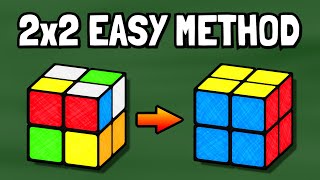
How To Solve A 2x2 Beginner Method Tutorial | Cubeorithms
Facts about Rubik's Cube solving
🧩 The Pocket Cube (2x2) has 3,674,160 possible positions — small but surprisingly twisty!
🔢 The math behind cube moves uses permutation groups, so solving is a hands-on way to see algebra in action.
⏱️ Top speedcubers can solve a 2x2 in under one second using practiced algorithms and quick fingers.
🤏 Finger tricks (fast, tiny turns without regripping) are a secret weapon for cutting solve times.
🧠 Regular practice with cubes can boost spatial reasoning and working memory — it’s brain training disguised as play!
How do I teach a child to solve a 2x2 Rubik's Cube step by step?
What materials do I need to help my child learn a 2x2 cube?
What ages are suitable for learning a 2x2 cube?
What are the benefits of teaching kids to solve a 2x2 Rubik's Cube?
