Show us 3 Basic Needs using ASL
Learn and practice three American Sign Language signs for basic needs (food, water, shelter), then demonstrate them in a short video or live presentation.


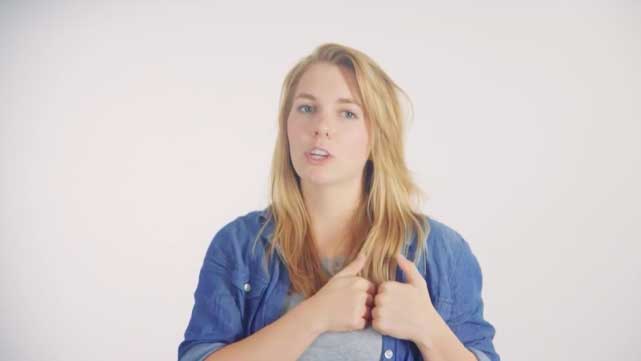

Step-by-step guide to show three basic needs using ASL
Step 1
Choose a quiet clear spot and put your mirror where you can see your face and hands.
Step 2
Sit or stand comfortably so your shoulders are relaxed and your hands are free to move.
Step 3
Warm up your hands by wiggling your fingers and shaking your hands gently for 10 seconds.
Step 4
Learn the sign for "food" by bringing your fingers together (fingertips touching) to your mouth once or twice as if you are putting food into your mouth.
Step 5
Practice the "food" sign ten times while watching your hand touch your mouth in the mirror.
Step 6
Learn the sign for "water" by making a W handshape (extend your index middle and ring fingers) and tap your index finger to your chin once or twice.
Step 7
Practice the "water" sign ten times while watching your hand in the mirror.
Step 8
Learn the sign for "shelter" by bringing your fingertips together above your head to make a roof shape then moving your hands down to trace the sides of a house.
Step 9
Practice the "shelter" sign ten times while watching your hand shape in the mirror.
Step 10
Put the three signs together in order: food then water then shelter, and practice this short sequence slowly three times.
Step 11
Rehearse saying the need out loud and then showing the matching sign so your presentation is clear and friendly.
Step 12
Show your short live demonstration to a family member or make a short video of your sequence so you can watch how you did.
Step 13
Share your finished creation on DIY.org.
Help!?
What can we use if we don't have a mirror for the 'Choose a quiet clear spot and put your mirror' step?
Use a smartphone front camera, a shiny window, the back of a tablet, or a large metal spoon as a reflective surface so you can still see your face and hands while practicing.
I'm having trouble making the W handshape for 'water' and tapping my chin—any tips?
Follow the 'Warm up your hands' wiggle and gentle shake, then practice the W slowly in the reflective surface while tapping only the index finger to your chin until the motion is steady.
How can I adapt the activity for different ages compared with the 'practice ten times' and 'sequence slowly three times' instructions?
For younger children cut repetitions to about 3–5 and use big exaggerated motions with a parent modeling, while older kids can increase to 15 repeats, add timing precision to the three-sequence practice, and self-record the short video for review.
How can we extend or personalize the activity after we 'show your short live demonstration' or 'make a short video'?
Extend it by adding more basic-need signs (like 'clothing' or 'help'), making a labeled poster of each handshape, decorating the mirror area, and uploading your improved video to DIY.org to share your personalized presentation.
Watch videos on how to show three basic needs using ASL
ASL: Basic Signs 1 - Everyday Vocabulary in ASL
4 Videos
ASL: Basic Signs 1 - Everyday Vocabulary in ASL

40+ Common ASL Phrases and Signs You Must know | Signing or beginners | American Sign Language.
How To Sign Need, Must, Require | ASL Basics
Sign Language Basics: Learn 38 ASL signs in 2 minutes
Facts about American Sign Language for kids
🤟 American Sign Language (ASL) is a full, natural language with its own grammar and structure — not just signed English.
💧 The ASL sign for "water" uses the 'W' handshape tapping the chin — a quick and memorable sign to learn!
🍽️ The sign for "eat" or "food" mimics bringing food to your mouth, showing how many ASL signs are iconic.
🏠 'Home' and 'house' are different signs in ASL and can use space and handshape to show location or shape.
🧠 Learning just three basic signs (food, water, shelter) can help in emergencies and builds connection with Deaf culture.
How do I teach and demonstrate the three basic needs signs in ASL?
What materials do I need for the ASL basic needs activity?
What ages is the ASL three basic needs activity suitable for?
What are the benefits of teaching basic needs in ASL to children?
