Share your story idea
Write and illustrate a short story idea and share it aloud or with friends to practice creativity, sequencing, and clear expression.


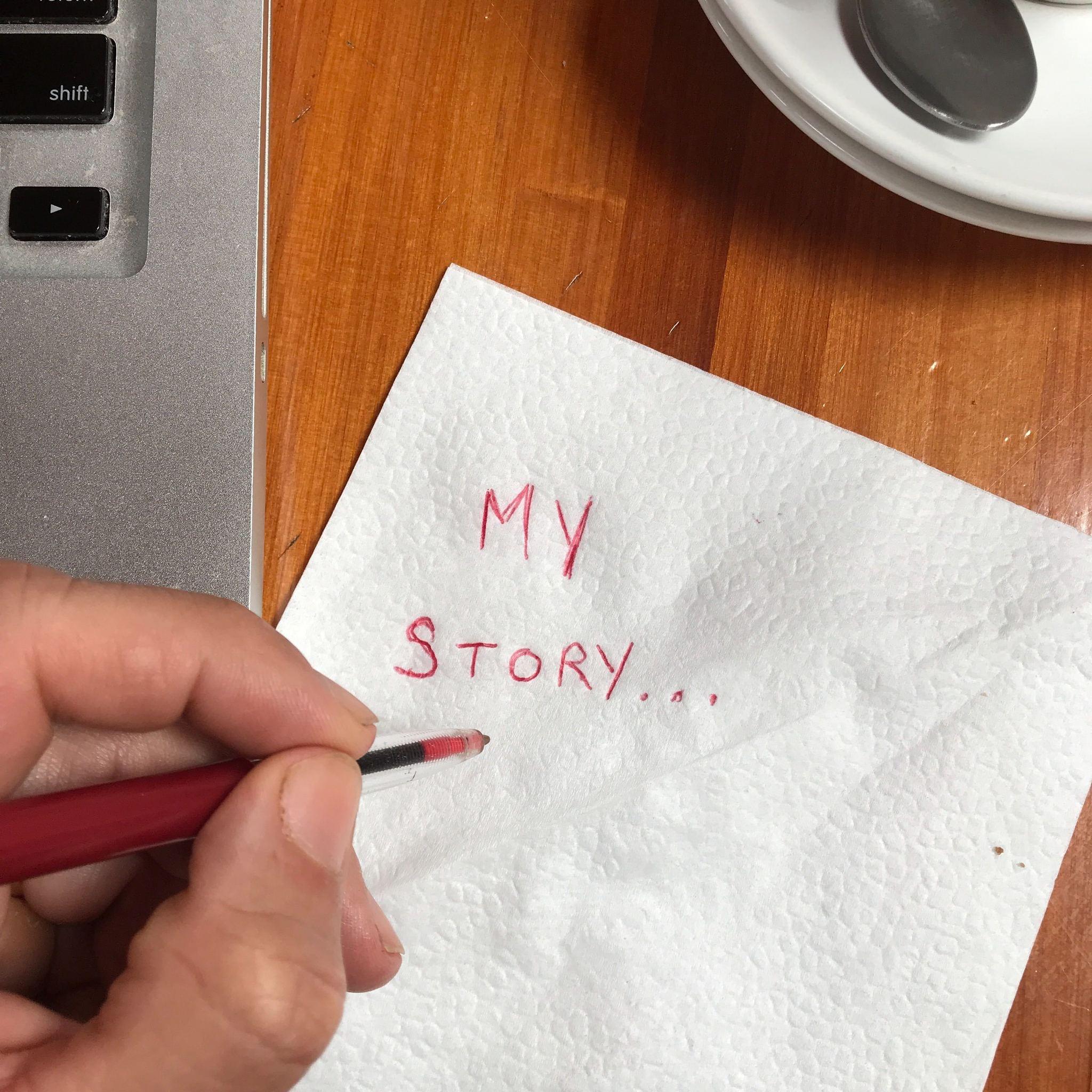
Step-by-step guide to share your story idea
Writing a story with beginning, middle, end - tutorial for kids
Step 1
Think of a big idea for your short story such as a brave character a silly problem or a magical place.
Step 2
Choose your main character and give them a name.
Step 3
Choose where and when your story happens.
Step 4
Decide one problem goal or challenge your character must face.
Step 5
Plan the story by writing one sentence for the Beginning one sentence for the Middle and one sentence for the End.
Step 6
Write a short draft of your story using the three sentences you planned.
Step 7
Pick three moments from your story to illustrate and lightly sketch each one on a separate page.
Step 8
Add ink or darker lines over your pencil sketches to make them clear.
Step 9
Color your illustrations and add fun details or stickers.
Step 10
Give your story a title and write your name as the author on the front page.
Step 11
Practice telling your story aloud using your pictures as prompts.
Step 12
Tell your story to a friend or family member and ask them one helpful suggestion.
Step 13
Make one small change using the suggestion and assemble your pages into a booklet with a stapler or binder clip.
Step 14
Share your finished story and pictures on DIY.org
Help!?
What can we use instead of a stapler, special ink, or stickers if we don't have them?
If you don't have a stapler or binder clip, use clear tape or punch holes and tie pages with ribbon, and if you lack ink, markers, or stickers, use a dark pencil or ballpoint pen for inking and crayons or cut paper shapes for color and decorations.
What should we do if we get stuck planning the one-sentence Beginning, Middle, and End or the draft feels unclear?
If you get stuck planning the Beginning/Middle/End or your draft feels unclear, ask 'Who is the character, where are they, and what problem do they face?' and write one simple sentence for each step to build your short draft.
How can we change the activity for younger or older kids while still following the steps?
For younger kids, have an adult write the words while they draw big, simple illustrations and use stickers for details, and for older kids expand each planned sentence into paragraphs, add dialogue, ink the sketches more carefully and bind with a stapler or binder clip before sharing on DIY.org.
How can we improve or personalize the finished booklet after making the small suggested change?
To enhance the booklet, practice telling your story aloud and record it while flipping your illustrated pages, add a decorated title page with your name as author, then make the one small change from the helpful suggestion and assemble the final copy to share on DIY.org.
Watch videos on how to share your story idea
How to Create a Story Map for Kids - Planning Your Narrative Writing
4 Videos
How to Create a Story Map for Kids - Planning Your Narrative Writing
How To Write a Story For Kids
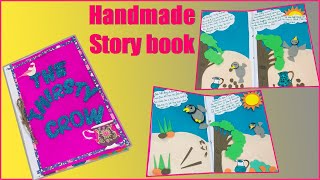
DIY Book Story for kids | How to make story book | Handmade kids story book | story book |
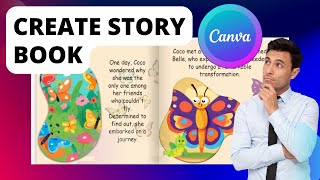
How To Create Story Book For Kids Using Canva And ChatGPT
Facts about creative writing for kids
✍️ Ernest Hemingway is often credited with a six-word story, commonly written as 'For sale: baby shoes, never worn.'
🎨 Beatrix Potter not only wrote but also illustrated The Tale of Peter Rabbit, showing how some creators do both jobs!
📰 The short story form grew hugely in the 19th century as magazines paid writers to publish single tales for readers.
🧠 Telling a story out loud strengthens sequencing and memory because our brains remember events better when they follow a clear order.
⏱️ Practicing brief daily writing — even 15 minutes — can noticeably boost creativity and storytelling fluency over time.
How do I help my child write and illustrate a short story idea to share aloud?
What materials do I need to write and illustrate a short story idea with my child?
What ages is this write-and-illustrate short story activity suitable for?
What are the benefits of having my child write, illustrate, and share a short story idea?
