Share a favorite fable, fairy tail, or folk tale
Choose a favorite fable, fairy tale, or folk tale, retell it in your own words, and create simple puppets to perform the story.


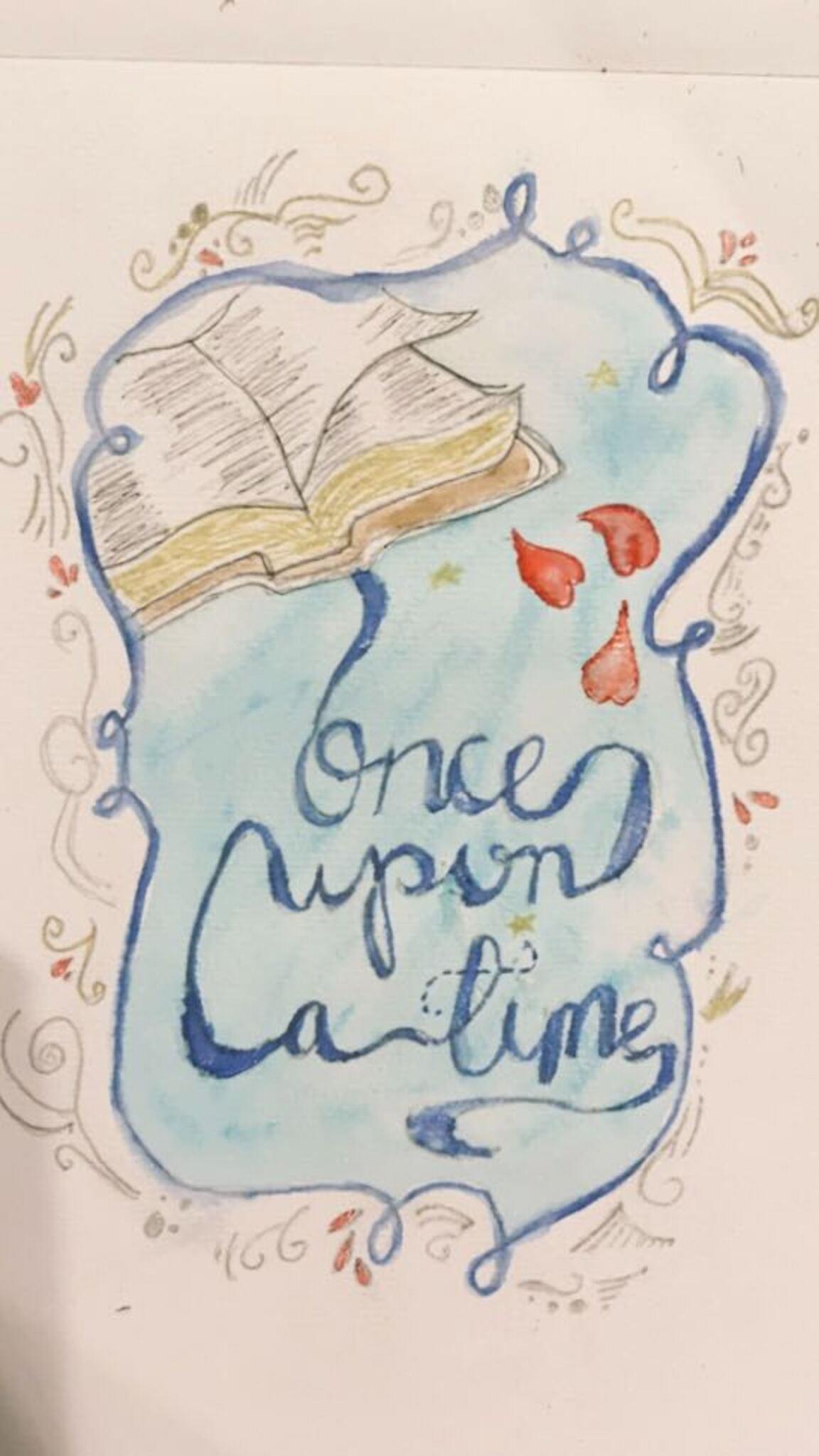

Step-by-step guide to share and perform a favorite fable, fairy tale, or folk tale with simple puppets
Fairy Tales | Vocabulary | ESL Games for Kids
Step 1
Pick your favorite fable fairy tale or folk tale to retell.
Step 2
Read your chosen story carefully so you remember the events.
Step 3
Write the names of the main characters and the place where the story happens on a piece of paper.
Step 4
Write a short retelling of the story in your own words with a beginning middle and end in three to six sentences.
Step 5
Choose two to four characters from your retelling to turn into puppets.
Step 6
Draw each chosen character on paper as a puppet shape.
Step 7
Colour your puppet drawings using your colouring materials.
Step 8
Carefully cut out each coloured puppet shape using scissors.
Step 9
Attach a popsicle stick or a cardboard handle to the back of each puppet with glue or tape.
Step 10
Add hair clothes or small details using yarn or fabric scraps and glue them on.
Step 11
Practice retelling your story aloud while moving the puppets to show what happens.
Step 12
Put on a short puppet show for someone at home.
Step 13
Share your finished puppets and your puppet show on DIY.org.
Help!?
What can I use if I don't have popsicle sticks, yarn, or glue?
If you don't have popsicle sticks, yarn, or glue, use cardboard strips from a cereal box as handles, string or twist-ties instead of yarn for hair or clothes, and double-sided tape or a stapler in the step 'Attach a popsicle stick or a cardboard handle to the back of each puppet with glue or tape'.
My puppet keeps tearing or flopping when I move it—how can I fix that?
If a puppet tears or flops during the 'Carefully cut out each coloured puppet shape' and moving steps, glue the paper drawing onto thin cardboard (like a cereal box), cover edges with clear tape, and reinforce the handle area with extra tape before attaching the popsicle stick or cardboard handle.
How can I adapt this activity for different ages?
For younger children simplify the 'Write a short retelling' step into three picture panels (beginning, middle, end) and provide pre-cut puppet shapes to colour, while older kids can write longer retellings, add dialogue, create detailed costumes from fabric scraps, and plan a scripted puppet show to practice.
What are some ways to extend or personalize the puppet show?
To extend and personalize the activity, design a cardboard stage and paper backdrops after 'Colour your puppet drawings', add character voices or simple sound effects during practice, create unique costumes from fabric scraps, and record the performance to share on DIY.org with a title and short description.
Watch videos on how to share and perform a favorite fable, fairy tale, or folk tale with simple puppets
Fairy Tales Explained! | What Are Fairy Tales & Traditional Stories?
4 Videos
Fairy Tales Explained! | What Are Fairy Tales & Traditional Stories?
Cinderella | Fairy Tales | Musical | PINKFONG Story Time for Children
CLASSIC STORIES for kids 📚 The Little Prince, Don Quixote, Snow White, Cinderella, The Nutcracker 📜
Cinderella Fairy Tale Read Along Story
Facts about storytelling and puppetry for kids
🏺 Aesop's Fables have been told for over 2,500 years and started as short oral tales in ancient Greece.
🎭 Puppetry is one of the oldest performance arts — puppet-like figures show up in archaeological finds from ancient civilizations.
📚 The Brothers Grimm collected and published over 200 folktales (first released in 1812), helping popularize stories like Cinderella and Hansel and Gretel.
🧦 You can make fun puppets from everyday items like socks, paper bags, wooden spoons, or paper plates — no fancy supplies needed!
🧠 Retelling a story in your own words boosts memory, vocabulary, and storytelling confidence in kids.
How do I guide my child to choose, retell, and perform a favorite fable or fairy tale with puppets?
What materials do I need to make simple puppets and a mini stage for the story performance?
What ages is this puppet retelling activity suitable for, and how can I adapt it?
What are the benefits of retelling stories and performing them with puppets?
