Share a cooking fail
Make a simple microwave mug cake with adult supervision, intentionally try one common mistake, then fix the recipe and share one lesson learned.




Step-by-step guide to make a simple microwave mug cake, try one common mistake, and fix the recipe
10 Most Common Cookie Baking Mistakes
Step 1
Gather all materials and put them on a clean counter where an adult can help you.
Step 2
Add 4 tablespoons of flour and 2 tablespoons of sugar and 2 tablespoons of cocoa powder and a pinch of salt into the mug.
Step 3
Intentionally skip adding the baking powder to this first mug.
Step 4
Pour 3 tablespoons of milk into the mug.
Step 5
Add 1 tablespoon of vegetable oil to the mug.
Step 6
Add 1/2 teaspoon of vanilla extract to the mug.
Step 7
Stir the batter in the mug until it looks smooth and has no dry flour.
Step 8
Ask an adult to microwave the mug on high for 60 seconds.
Step 9
With adult help carefully remove the mug and check doneness by poking the center with a clean toothpick or spoon.
Step 10
Make a second mug by adding the same dry ingredients as Step 2 and this time add 1/4 teaspoon of baking powder to the dry mix.
Step 11
Add 3 tablespoons of milk and 1 tablespoon of oil and 1/2 teaspoon of vanilla to the second mug.
Step 12
Stir the second mug batter until smooth.
Step 13
Ask an adult to microwave the second mug on high for 60 seconds.
Step 14
Taste a small spoonful of each cake with adult help and write one short sentence about the lesson you learned from the mistake and the fix.
Step 15
Share a photo and your lesson learned about the cooking fail and fix on DIY.org.
Help!?
What can we use if we don't have cocoa powder, baking powder, or vegetable oil listed in the ingredients?
If you don't have cocoa powder for Step 2, swap in 2 tablespoons of hot chocolate mix; if no baking powder for Step 10 mix 1/4 teaspoon baking soda with 1/2 teaspoon cream of tartar; and if you lack vegetable oil for Steps 5 or 11 use 1 tablespoon applesauce or melted butter instead.
What should we do if the mug cake comes out dense or not cooked in the center?
If the first mug is dense or the center is soggy (you skipped baking powder in Step 3), make the second mug per Step 10 with 1/4 teaspoon baking powder and adjust the 60-second microwave in Steps 8/13 by 10-second increments while checking doneness with the toothpick test from Step 9.
How can I adapt this activity for younger children or older kids who want more challenge?
For preschoolers let an adult pre-measure the dry ingredients from Step 2 into spoons and have the child stir in Step 7 while the adult handles microwaving in Steps 8/13, for elementary kids let them measure and stir with supervision, and for older kids let them design variations in Step 10 and write/post the lesson in Step 14 independently.
How can we extend or personalize the mug cake experiment once we've completed the two versions?
To extend the activity, add mix-ins like mini chocolate chips or a pinch of cinnamon before microwaving in Steps 8/13, try changing the baking powder amount in Step 10 to compare fluffiness, and decorate and photograph the finished cakes to include your lesson on DIY.org in Step 14.
Watch videos on how to make a simple microwave mug cake, demonstrate a common mistake, and correct it
The Biggest Mistakes Everyone Makes When Baking Cookies
3 Videos

The Biggest Mistakes Everyone Makes When Baking Cookies
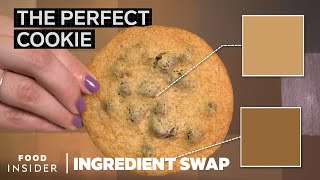
Every Common Cookie Alteration, Substitution And Mistake (11 Recipes) | Ingredient Swap

3 Common Cookie Decorating Mistakes You Need To Avoid!
Facts about microwave baking and kitchen safety for kids
🍰 Mug cakes can be cooked in a microwave in about 60–90 seconds — super quick dessert!
⚡ Microwaves cook by exciting water molecules, which makes food heat up fast and evenly.
🧪 Baking powder creates carbon dioxide bubbles that help cake batter puff up and become fluffy.
👀 Raw or undercooked eggs and batter can carry bacteria, so always have an adult check your cake is fully cooked.
🔁 A common fix for an undercooked mug cake is to microwave in short 10–15 second bursts to finish it without drying it out.
How do you do the microwave mug cake cooking-fail activity with a child?
What materials do I need to try a deliberate cooking fail with a mug cake?
What ages is the microwave mug cake fail activity suitable for?
What are the benefits of doing a cooking fail with a microwave mug cake?
