Set up the angle of your audience
Build a small cardboard theater and arrange audience seats at different angles to test sightlines, comfort, and visibility for better viewing.


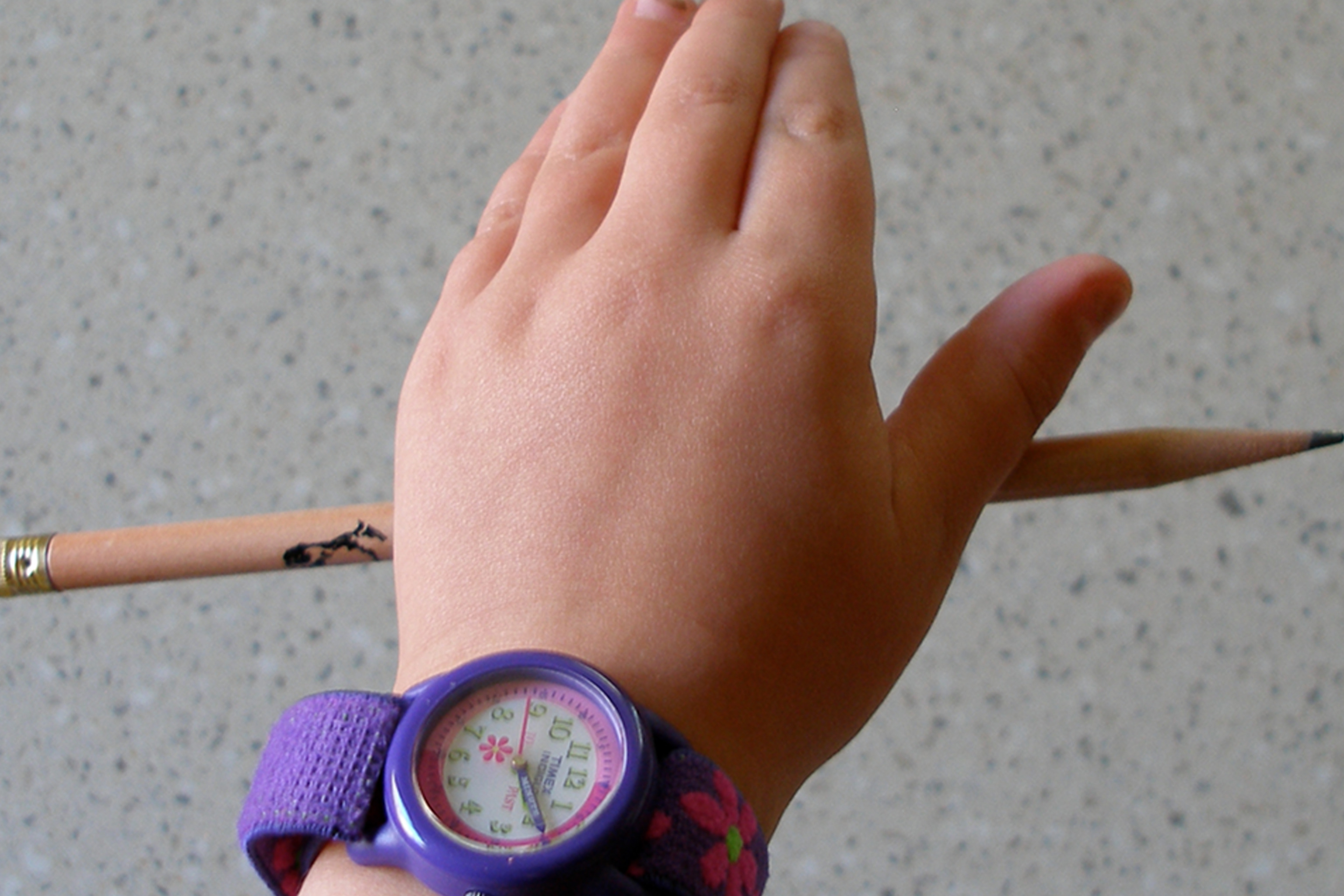

Step-by-step guide to build a small cardboard theater and arrange audience seats at different angles
Ultimate Guide to Camera Angles: Every Camera Shot Explained [Shot List, Ep. 3]
Step 1
Choose a flat piece of cardboard and use a ruler to draw a rectangle for the theater base.
Step 2
Cut out the rectangle base with scissors.
Step 3
Cut a second rectangle from cardboard to make the backdrop.
Step 4
Tape the backdrop upright along the back edge of the base so it stands like a stage wall.
Step 5
Place your protractor at the center front of the stage and mark angle guideline rays on the base every 15 degrees.
Step 6
Draw seat spots along each angle guideline in rows so you can see where chairs will go.
Step 7
Cut small rectangles from cardboard and fold them to make simple chairs.
Step 8
Glue or tape each chair onto its marked spot on the base.
Step 9
Put the small toy figures or paper cutouts onto the chairs to make your audience.
Step 10
Place the performer figure on the center of the stage.
Step 11
Sit in each seat one at a time and note whether you can see the performer and if the seat feels comfortable.
Step 12
For any seat that cannot see the performer clearly, add a folded cardboard riser under that seat to raise it.
Step 13
Sit in the adjusted seats again to check if visibility and comfort improved.
Step 14
Decorate the theater with colouring materials and add signs or a ticket box to make it look fun.
Step 15
Share your finished cardboard theater and what you learned about audience angles on DIY.org
Help!?
What can we use instead of a protractor or small toy figures if we can't find them?
If you don't have a protractor, print a paper protractor or use a smartphone protractor app to mark the 15-degree guideline rays on the base, and if you lack toy figures use paper cutouts or drawn characters taped to folded cardboard seats.
What should we do if the cardboard chairs keep tipping over after we glue or tape them onto the marked spots?
If folded cardboard chairs topple after you attach them to their marked spots, reinforce each by adding a longer folded tab under the seat glued flat to the base or tape a small back support strip to hold the chair upright.
How can we adapt this theater activity for younger or older kids?
For younger children, pre-cut the base, backdrop, and chairs and draw wider angle rays (every 30 degrees) so they can place figures easily, while older kids can use a ruler and protractor to mark 15-degree rays and record visibility data for each seat.
How can we extend or personalize the cardboard theater after it's built?
To extend the project, label each seat with its angle from the marked guideline rays, build tiered folded cardboard risers for rear rows before gluing chairs, add a cardboard ticket box and battery tea-light stage lights, and keep a simple visibility chart when you sit in each seat.
Watch videos on how to build a small cardboard theater and arrange audience seats at different angles
Right, Obtuse, and Acute Angles | Educational Kids Videos
4 Videos

Right, Obtuse, and Acute Angles | Educational Kids Videos
How to Teach Drawing to Kids | Basic Drawing Tricks!

How Do You Draw Angles and Lines Accurately? | KS2 Maths Concept for Kids
Camera Angles Explained: How to Shoot Your Video Like a Pro
Facts about stage design and audience sightlines
🎭 Architects often build small scale theater models to test sightlines and seating before constructing real auditoriums.
📐 Raising each row by just 2–3 inches in a mini theater can dramatically improve visibility for people in the back.
♻️ Cardboard is one of the most recycled materials worldwide — lightweight, easy to cut, and perfect for tiny theaters.
🪑 A comfy kid-sized seat is usually about 14–16 inches wide, while adult seats are commonly 18–20 inches wide.
🎪 Homemade puppet and toy theaters have been used to entertain and teach children across many cultures for centuries.
How do you build a small cardboard theater and test audience sightlines?
What materials do I need for a cardboard theater sightline activity?
What ages is this cardboard theater sightline activity suitable for?
What are the benefits and safety tips for testing seating angles in a cardboard theater?
