Run for office
Create a mock campaign and campaign materials, practice speeches, design posters, and hold a classroom election to learn about leadership and civic participation.


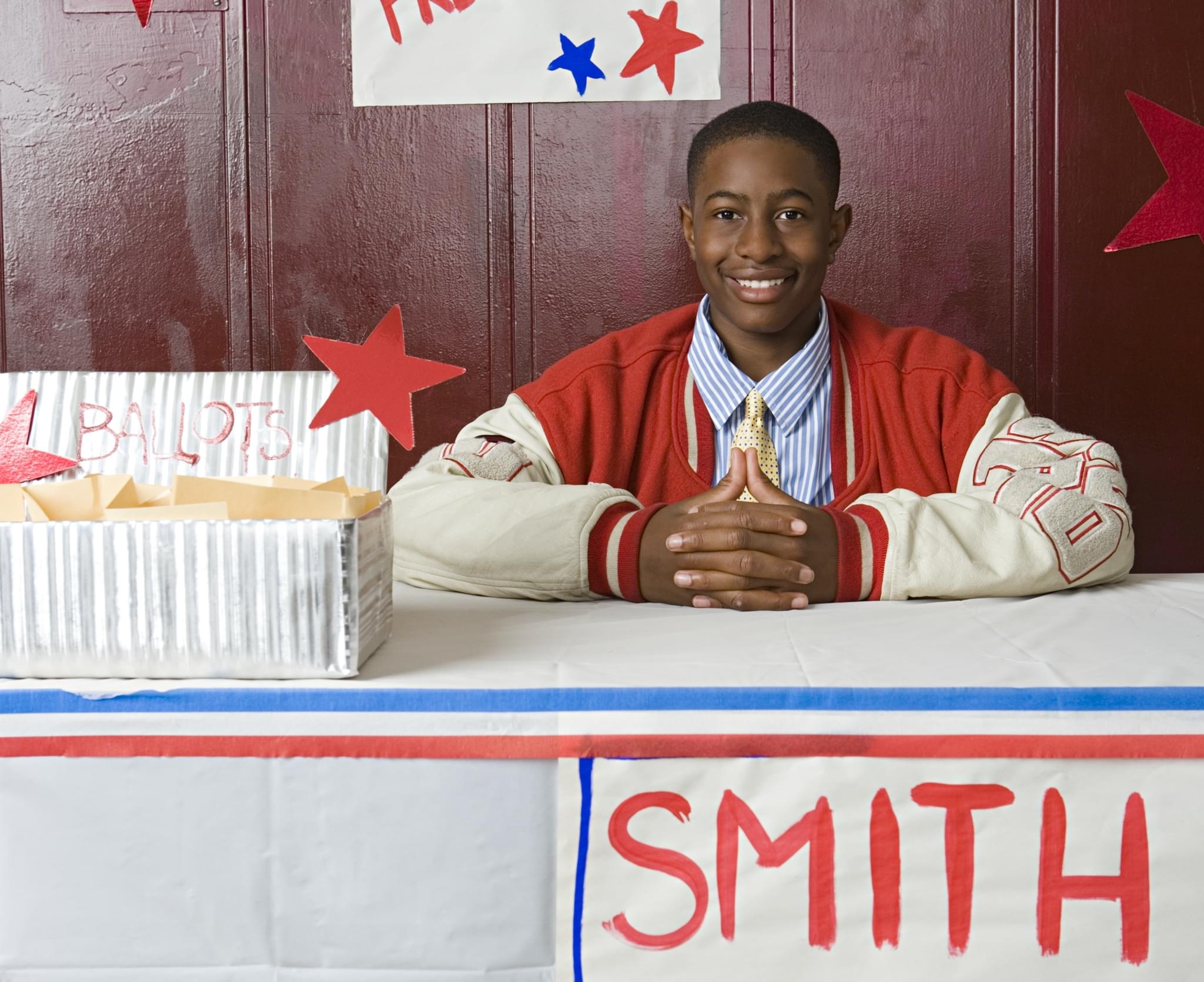

Step-by-step guide to run for office
Election Basics: Crash Course Government and Politics #36
Step 1
Choose one school office you want to run for like class president or library helper.
Step 2
Pick two or three important things you will do if elected and write each on a separate index card.
Step 3
Create a short catchy slogan of 3 to 6 words that tells classmates why to vote for you.
Step 4
Decide the main colors and shapes you will use for your campaign materials.
Step 5
Sketch the layout of your poster by drawing where your name slogan and pictures will go.
Step 6
Color and write your poster neatly using big letters so it is easy to read.
Step 7
Make at least five small flyers on index cards with your name slogan and one promise.
Step 8
Make a campaign badge or sticker using paper stickers or button-making materials.
Step 9
Write a one-minute speech on a single index card that tells who you are what you will do and your slogan.
Step 10
Practice your one-minute speech aloud three times in front of a mirror or a grown-up.
Step 11
Set up the voting area by placing the small box as a ballot box and making private voting slips.
Step 12
Give your one-minute speech to your classmates using your poster and badge for help.
Step 13
Ask classmates to vote by placing their folded voting slips into the ballot box in private.
Step 14
Open the ballot box and count the votes out loud with the class to find the winner.
Step 15
Share photos or a description of your campaign poster speech and election on DIY.org
Help!?
What can we use instead of index cards, button-making materials, or a small box if we don't have them?
If you don't have index cards, button-making materials, or a small box, cut printer paper or cereal-box cardboard into index-card-sized pieces for promises and flyers, make badges by drawing circles on paper or using paper stickers or safety-pinned cardboard instead of a button maker, and use a shoebox or empty cereal box as the ballot box.
My poster looks messy, my letters are too small, and I get nervous giving the speech—what should I do?
Redo the poster using your sketched layout, trace big letters with a dark marker and stick to the main colors and shapes you chose, and calm nerves by practicing the one-minute speech aloud three times in front of a mirror or a grown-up while using your poster and badge as prompts.
How can I change the activity to suit younger or older kids?
For younger kids choose a simple office like library helper, use pictures or single-word promises on one or two index-card flyers and have an adult help set up the shoebox ballot and voting slips, while older kids can add more promises, create a full-size poster with deliberate colors and shapes, make digital flyers, or hold a short debate in addition to the one-minute speech.
How can we extend or personalize the campaign beyond the basic steps?
Personalize and extend the campaign by designing custom badges with button-making materials or paper stickers, adding photos or props to your poster, recording a short video of your one-minute speech, inviting classmates to a mini debate, and sharing photos or a description on DIY.org.
Watch videos on how to run for office
Together We Can | Election | PBS KIDS
4 Videos
Together We Can | Election | PBS KIDS
How To Run For President!
Bureaucracy Basics: Crash Course Government and Politics #15
How Presidents Govern: Crash Course Government and Politics #14
Facts about civics and leadership for kids
🗳️ Schools around the world hold mock elections to teach students how voting works before they can vote in real elections.
🎤 Practicing a speech out loud helps people remember key points and feel more confident—many real politicians rehearse repeatedly.
🖼️ Campaign posters use big letters, bright colors, and short slogans so passersby can read them quickly.
👥 Running a campaign is a team sport: real campaigns include organizers, designers, fundraisers, and volunteers doing different jobs.
📢 Classroom elections teach practical skills like making rules, counting ballots, and announcing results—just like real elections.
How do I run a mock campaign in class or at home?
What materials do I need for a mock campaign activity?
What ages is a mock campaign activity suitable for?
What are the benefits of running a mock campaign with kids?
