Recreate a board game using LEGO®
Design and build a playable board game using LEGO bricks: create the game board, movable pieces, and simple rules, then play and test strategies.


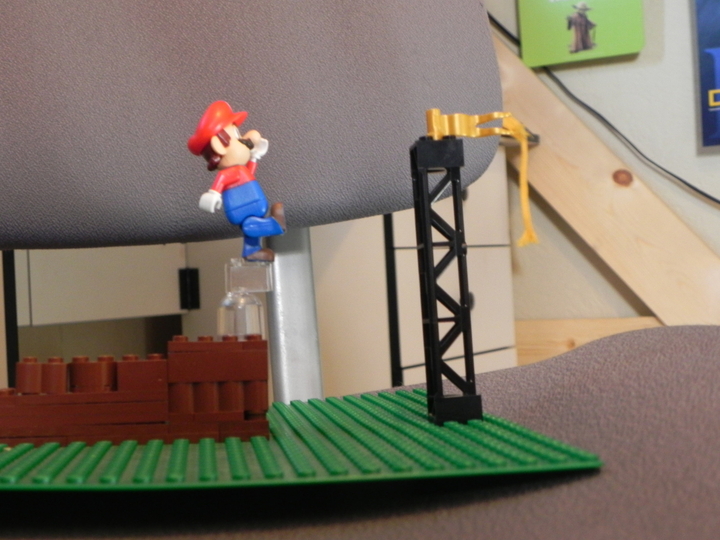

Step-by-step guide to recreate a board game using LEGO bricks
How To: Build your own board game
Step 1
Gather all your Materials Needed and bring them to a clear workspace.
Step 2
Pick a fun theme for your game like space jungle race or treasure hunt.
Step 3
On paper draw the board layout with a start space a finish space and the path or grid players will follow.
Step 4
Choose the win condition and how many players can play at once.
Step 5
Build the game board on the baseplate using LEGO bricks to match your paper drawing.
Step 6
Create a movable player piece for each player using minifigures or small stacked bricks and give each one a color or symbol.
Step 7
Add special spaces or obstacles on the board with LEGO pieces like shortcuts traps or bonus spots.
Step 8
Write simple rules on paper that explain turn order how to move what special spaces do and how a player wins.
Step 9
Play a test game with friends or family following the rules you wrote.
Step 10
Pick one thing that feels unfair or boring during the test game and decide one change to try.
Step 11
Make that single change to the board or rules and play again to see if the game is more fun.
Step 12
Share your finished LEGO board game on DIY.org
Help!?
What can we use instead of a LEGO baseplate or minifigures if we don't have them?
If you don't have a LEGO baseplate from step 5 or minifigures from step 6, use a large piece of stiff cardboard or poster board as the board base and substitute player pieces with small stacked bricks, coins, or toy figures while keeping the color or symbol idea.
During the test game, players keep disagreeing about how to move—how can we fix that?
If players argue about movement during the test game in step 8, rewrite the rule on paper in step 7 with a single clear example turn (for example 'roll a die, move that many spaces clockwise') and re-run the test so everyone practices the rule.
How do we change the activity for younger kids or older kids?
For ages 4–6 simplify step 3 by drawing a short straight path with fewer spaces and use large, easy-to-handle pieces from step 6, while for ages 8+ add more special spaces and obstacles in step 6 and a strategic win condition in step 4 like collecting three treasure tiles.
How can we make the game more replayable or unique before sharing it?
To enhance replayability and personalization, build interchangeable board tiles on the baseplate in step 5, create custom LEGO power-ups or character cards in step 6, and photograph or record the finished game in step 11 to share on DIY.org.
Watch videos on how to recreate a board game using LEGO bricks
I built LEGO BOARD GAMES...
3 Videos
I built LEGO BOARD GAMES...
15 AMAZING LEGO PUZZLES! EASY TO BUILD
3 EASY LEGO DUPLO Games Ideas to Play with your Kids! LEGO Home Development Activities for Children
Facts about LEGO building and game design
🧱 Since 1958 the modern LEGO stud-and-tube design was introduced — which means LEGO bricks from different decades still click together.
🎲 Board games are ancient: games like Senet were played in Egypt over 4,500 years ago.
🧪 Game designers rely on playtesting — many successful games go through dozens or even hundreds of test plays to balance rules and fun.
♟️ Simple rule tweaks or modular boards can drastically change strategy and replayability, so small changes matter a lot.
🔁 LEGO bricks are meant to be rebuilt — part of the fun is disassembling and turning one game into something totally new.
How do I recreate a board game using LEGO®?
What materials do I need to build a LEGO® board game?
What ages is building a LEGO® board game suitable for?
What are the benefits of making a LEGO® board game?
