Rap Song Breakdown!
Listen to a rap song, identify rhythm, rhyme, and structure, then write and perform your own short rap to practice creativity and timing.



Step-by-step guide to Rap Song Breakdown
Step 1
Pick one rap song you want to study.
Step 2
Sit in a quiet spot and listen to the whole song once without writing.
Step 3
Listen again and tap the main beat on the table with your hand to find the rhythm.
Step 4
Count how many taps make one repeating pattern and write that number on your paper.
Step 5
Listen for words that rhyme and write down at least six rhyming words or word endings.
Step 6
Listen for the song parts and write the structure like verse chorus verse on your paper.
Step 7
Choose a theme for your own rap and write the theme in one short sentence.
Step 8
Write an 8-line rap that follows the same beat count and uses the rhyming pattern you found.
Step 9
Mark the end rhymes on each line with a star or circle.
Step 10
Add small tick marks under words to show where the beats fall in each line.
Step 11
Practice performing your rap aloud while tapping the beat until your timing feels steady.
Step 12
Share your finished creation on DIY.org
Help!?
What can we use if we don't have a table to tap on or big speakers to play the song?
If you don't have a table, tap the main beat on your knee, a hardcover book, or a plastic container while playing the rap on a phone or earbuds so you can still complete step 3 (tap the beat) and step 11 (practice performing).
I'm having trouble finding the repeating beat pattern or making my lines match the beat—what should I try?
Try slowing the song on your phone or use a metronome app while repeating step 3 and recounting taps in step 4, then add small tick marks under words (step 10) to align each line of your 8-line rap to the beat count.
How can this activity be changed for younger kids or older kids?
For ages 5–7, make it a 4-line rap with a pictured word bank to help with step 5 (rhymes) and step 8 (writing), while older kids can write multisyllabic rhyme schemes, annotate complex beat divisions in step 10, and record a polished performance to upload to DIY.org (step 12).
What are simple ways to extend or personalize the rap after finishing and practicing it?
Add a homemade beat (claps or a phone drum loop), create a lyric video or illustrated sheet, experiment with different rhyme endings to change the mood, then update your end-rhyme marks and tick marks (steps 9–10) before sharing on DIY.org (step 12).
Watch videos on how to break down a rap song and write your own short rap
English Lesson: Homophones for Kids | Learn through music and rap with MC Grammar
4 Videos
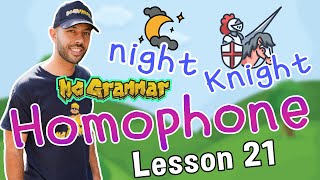
English Lesson: Homophones for Kids | Learn through music and rap with MC Grammar

Learn English With Rap Songs | Eminem

The FANBOYS Song | MC Grammar 🎤 | Educational Rap Songs for Kids 🎵
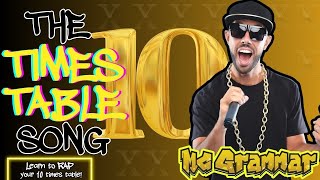
Learn Your 10 Times Table in Rap! | MC Grammar 🎤 | Educational Rap Songs for Kids 🎵
Facts about music and songwriting
🎤 Rapper's Delight (1979) helped bring rap into pop charts — it was one of the first rap singles to reach the top 40.
🥁 Many rap verses are commonly 16 bars long — 'bars' help rappers count timing and structure their lines.
⏱️ Tempo (BPM) shapes a rapper's flow — classic hip hop often sits around 80–110 BPM, which leaves room for clear delivery.
🧠 Multisyllabic and internal rhymes make rap lines sound richer and more complex — they're a favorite trick for clever flows.
🔁 Catchy hooks (choruses) repeat to anchor a song in listeners' heads — repetition is a key songwriting move.
How do you do the Rap Song Breakdown activity?
What materials do I need for Rap Song Breakdown?
What ages is Rap Song Breakdown suitable for?
What are the benefits of doing a Rap Song Breakdown?
