Practice r,s and z
Practice R, S, and Z sounds by saying tongue twisters, reading short sentences, recording yourself, and playing a matching game to track progress and confidence.


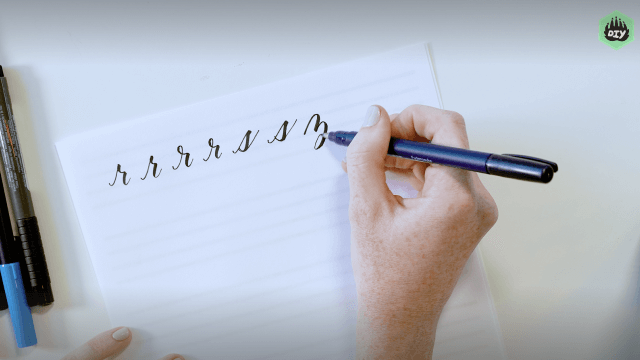

Step-by-step guide to practice R, S, and Z sounds
Step 1
Gather all your materials and find a quiet place to practice.
Step 2
Do three deep breaths and hum for 10 seconds to warm up your voice.
Step 3
Write one tongue twister that focuses on R one that focuses on S and one that focuses on Z on a piece of paper.
Step 4
Say each tongue twister slowly three times, concentrating on making the target sound clear.
Step 5
Write six short sentences on paper with two sentences for each sound R S and Z.
Step 6
Read each short sentence aloud two times at a normal speed focusing on the sound in each sentence.
Step 7
Record yourself saying each tongue twister and each sentence one time so you can listen back later.
Step 8
Make 12 matching game cards by writing four R words or short phrases four S items and four Z items on separate cards.
Step 9
Shuffle the cards face down and play the matching game by turning two cards over and finding pairs that have the same sound.
Step 10
Create a simple progress chart with three columns labeled R S Z and add a sticker or token after each successful round.
Step 11
Practice the tongue twisters and play the matching game for 5 minutes each day to build confidence.
Step 12
Share your recordings your progress chart and a photo of your matching game on DIY.org.
Help!?
What can I use instead of a voice recorder, stickers, or index cards if I don't have them?
Use a smartphone or tablet's voice memo app for the 'Record yourself' step, use coins, buttons, or paper dots as tokens for the progress chart, and cut scrap paper or a cereal box into pieces to make the 12 matching game cards.
My child keeps mixing up R, S, and Z when saying the tongue twisters; how can I help them?
During the 'Say each tongue twister slowly three times' step, model the target sound, have the child practice in front of a mirror to watch tongue and lip position, and slow the pace until the sound becomes clearer.
How should I adapt this activity for a 3-year-old, a 6-year-old, and a 10-year-old?
For a 3-year-old use single words and only four matching cards with 1–2 minute sessions, for a 6-year-old follow the full 12-card game and 5-minute daily practice with short sentences, and for a 10-year-old use longer tongue twisters, more complex sentences, timed rounds, and scoring on the matching game.
How can we make this activity more engaging or personalized?
Decorate and theme the matching game cards with drawings or stickers, add dated stickers to the 'Create a simple progress chart' column for R S Z, and compile the 'Record yourself' clips into a before-and-after video to share on DIY.org.
Watch videos on how to practice R, S, and Z sounds
How to teach your kid to say the R sound - Speech Therapy Tips
4 Videos

How to teach your kid to say the R sound - Speech Therapy Tips
Speech Therapy for Kids | R Sound Articulation Practice
S and Z | Phonics for Kids

Phonics for Kids 🗣 The Z Sound 🧟♂️ Phonics in English 🎪
Facts about speech therapy for kids
🎤 Recording yourself can help you hear pronunciation differences you miss while speaking.
👅 The R sound is produced with different tongue shapes across dialects—some curl, some bunch, some use the back of the tongue.
🐍 S and Z are sibilants: 'hissing' sounds made by directing air over the teeth like a snake.
🧠 Short, regular practice boosts muscle memory for sounds much faster than long, infrequent sessions.
🏁 Tracking progress with fun games or a matching chart not only measures improvement but also builds confidence.
How do I practice R, S, and Z sounds with my child?
What materials do I need to practice R, S, and Z sounds at home?
What ages is practicing R, S, and Z suitable for?
What are the benefits of practicing R, S, and Z sounds?
