POV: Your Pets in Water!
Create a miniature water scene with toy animals in a clear container, arranging props and photographing POV images to show pets in water.


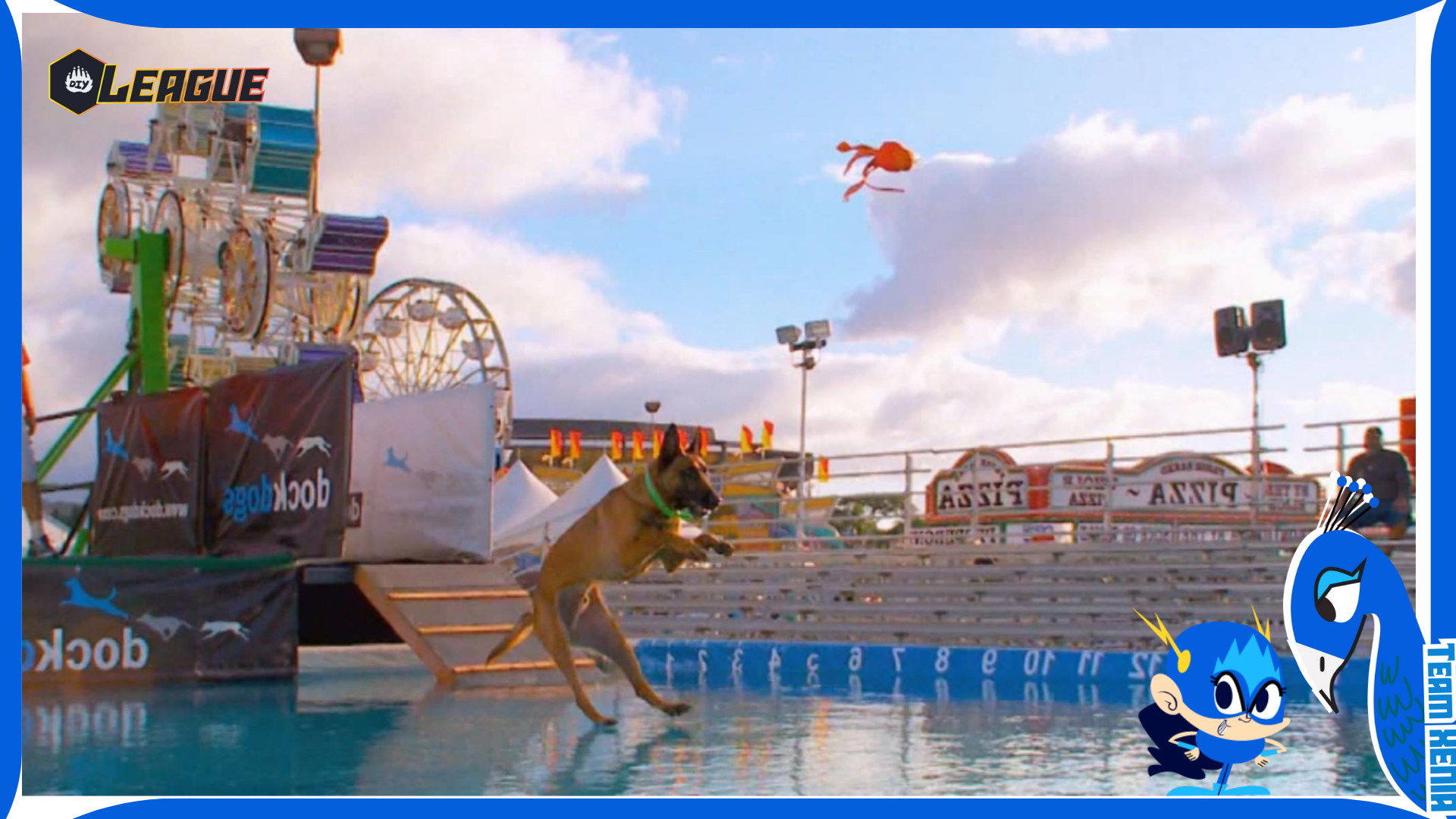

Step-by-step guide to POV: Your Pets in Water
Step 1
Gather all the materials and bring them to a flat tabletop or counter where you can work.
Step 2
Lay the tray or towel on the table to catch any water spills.
Step 3
Place the background paper behind the spot where your clear container will sit to add color or sky to your scene.
Step 4
Put the clear container on the tray or towel so it is steady and centered.
Step 5
Arrange your toy animals inside the empty container to plan how you want the scene to look.
Step 6
Add small props like pebbles faux plants or straws around and between the toys to make the miniature scene interesting.
Step 7
With an adult helping pour water slowly into the container until the toys are partly submerged the way you want.
Step 8
Gently reposition any toys or props that moved to keep your scene looking just right.
Step 9
Turn on the lamp or flashlight and aim it to make shiny reflections or cool shadows on the water.
Step 10
Put your camera or phone at water level to frame a pet eye view shot of the scene from one side.
Step 11
Take several photos from different angles and heights so you have lots of POV options.
Step 12
Ask an adult to help drain the water and then dry the toys container and table with a towel.
Step 13
Share your finished mini water pet photos and a short description of your process on DIY.org
Help!?
What can we use instead of a clear container or background paper if they’re hard to find?
If you don’t have a clear container, use a clean glass jar, clear plastic cup, or upright zip-top bag on the tray, and swap background paper for a colored towel, poster board, or a phone/tablet screen placed behind the container.
My toys keep floating or moving when I pour water—how do I keep the scene steady?
Anchor toys and props by tucking a few pebbles behind them inside the container or using removable sticky putty on toy bases, pour water slowly with an adult as the instructions say, and keep the tray or towel in place to catch spills.
How can I adapt this activity for different ages?
For toddlers, have an adult pre-fill the container partway and use large bath-safe toys on a towel-covered tray for supervised play, while older kids can tweak lamp/flashlight angles, try phone camera manual settings, and add detailed faux plants or pebbles for advanced POV shots.
How can we enhance or personalize our mini water pet photos after taking them?
Extend the activity by creating multiple themed scenes to make a stop-motion or photo series, experiment with different background paper colors and lamp angles for mood, blow tiny bubbles with a straw, and edit photos with captions before sharing on DIY.org.
Watch videos on how to create POV: Your Pets in Water
Water Saving Tips and Tricks - Let's Save the Planet - The Environment for Kids
4 Videos
Water Saving Tips and Tricks - Let's Save the Planet - The Environment for Kids

How Can I Save Water? | SciShow Kids
Water Safety for Kids! | Water Safety Rules | Water Safety Tips

Teaching Kids to Care for Pets | Videos for Toddlers
Facts about toy photography for kids
🐠 Water bends light — refraction can make toys look shifted, magnified, or a bit 'bent' under or behind water.
📷 Shooting from your toy's eye level (a POV or worm's-eye view) makes photos feel immersive and adventurous.
🧸 Toy photography is a huge creative hobby online, with many photographers gaining thousands of fans for tiny staged scenes.
🌊 Simple craft tricks—like using clear glue, cotton for foam, or tiny plastic droplets—can make realistic splashes and waves in mini water scenes.
🕰️ The diorama goes back to the 1820s: Louis Daguerre and Charles-Marie Bouton popularized it as a dramatic storytelling display.
How do I make a POV 'Your Pets in Water!' miniature water scene for photos?
What materials do I need to create a 'POV: Your Pets in Water!' photo scene?
What ages is the 'POV: Your Pets in Water!' activity suitable for?
What safety tips should I follow during the 'POV: Your Pets in Water!' activity?
