Play music on an improvised instrument
Make a simple improvised instrument using rubber bands, boxes, bottles, or straws, then tune and play melodies to explore sound and rhythm.


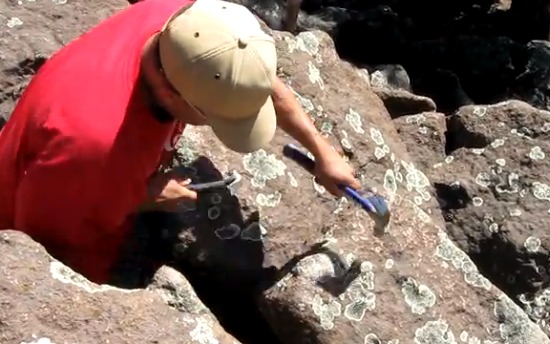

Step-by-step guide to play music on an improvised instrument
Homemade Instruments for Kids
Step 1
Gather your materials and bring them to a clear workspace.
Step 2
Put the shoebox on the table with the opening facing up.
Step 3
Stretch one rubber band around the box so it sits across the opening.
Step 4
Slide the pencil under the rubber band near the far edge to lift the band and make a bridge.
Step 5
Pluck the rubber band with your finger and listen to the sound it makes.
Step 6
Remove that band and replace it with a thicker or thinner rubber band.
Step 7
Pluck the new band and notice whether the pitch is higher or lower.
Step 8
Move the pencil bridge closer to the middle or closer to the edge to change the string tension.
Step 9
Add three or four rubber bands spaced apart across the box so you have multiple strings.
Step 10
Practice a simple melody by plucking the bands in a repeating sequence like 1-2-3-2-1.
Step 11
Tap the side of the box to make a steady beat while you play your melody.
Step 12
Share a photo or video of your finished instrument and you playing it on DIY.org
Help!?
What can I use if I don't have a shoebox, rubber bands, or a pencil?
Use any similar-sized cardboard box or sturdy plastic container in place of the shoebox, large hair ties or elastic bands instead of rubber bands, and a wooden spoon or chopstick as the pencil bridge so you can still slide it under the band across the opening.
Why does my rubber band not make a clear sound or keep slipping, and how can I fix it?
If the band slips or sounds dull, replace thin bands with thicker ones, stretch them tighter across the opening, and reposition the pencil bridge nearer the far edge or middle to increase tension as described in the steps.
How can I adapt this activity for younger or older kids?
For younger children, use wider pre-stretched bands and help them place the pencil and practice the simple 1-2-3-2-1 pluck sequence, while older kids can add 3–4 bands, experiment with bridge position to change pitch, and try more complex melodies.
How can we extend or personalize the instrument after building it?
Decorate the shoebox, number or color each rubber band to map the 1-2-3-2-1 melody, add a taped ruler as frets to change pitch positions, and record a photo or video to share on DIY.org.
Watch videos on how to play music on an improvised instrument
5 DIY Musical Instruments That Actually Work - Make Music at Home
3 Videos
5 DIY Musical Instruments That Actually Work - Make Music at Home
How to make DIY Musical Instruments for Kids!!

Home Made Musical Instruments - Child's Play Music
Facts about sound and music for kids
🎸 Tightening a rubber band raises its pitch — more tension makes it vibrate faster.
🧪 Bottles make sound by resonating air: adding water raises the pitch by shortening the air column.
🎶 Straws can become a panpipe: cut them shorter for higher notes and longer for lower ones.
🔧 You can tune improvised instruments by changing length, tension, or adding small weights to the vibrating part.
🥁 Groups like Blue Man Group and Stomp use everyday objects (PVC, buckets, brooms) to create real music.
How do you make and play an improvised instrument with rubber bands, boxes, bottles, or straws?
What materials do I need to make an improvised instrument at home?
What ages are suitable for this improvised instrument activity?
What are the benefits and safety tips for making and playing improvised instruments?
