Plant annual crops
Plant and care for easy annual crops like radishes, beans, or marigolds from seed, observing growth, watering, and harvesting small produce.


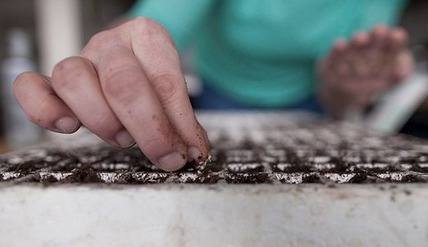

Step-by-step guide to plant annual crops
7 Tips to Garden with Kids (Easy Gardening with Children)
Step 1
Pick which crop or crops you want to grow today and choose the matching seed packets.
Step 2
Put a tray or saucer under your pots or seed tray to catch extra water.
Step 3
Fill each pot nearly to the top with potting soil using a spoon or trowel and smooth the surface.
Step 4
Make a small hole for each seed at the right depth: radish about 1/2 inch deep; bean about 1 inch deep; marigold about 1/4 inch deep.
Step 5
Drop the correct number of seeds into the hole and cover gently with a little soil.
Step 6
Label each pot with the plant name and today’s date using a plant label and pencil or marker.
Step 7
Water each pot gently until the soil is evenly moist but not soggy.
Step 8
Move the pots to a sunny windowsill or outdoor spot where they will get lots of light.
Step 9
Check your pots every day and water whenever the top of the soil feels dry to the touch.
Step 10
When seedlings have a few true leaves thin them by removing smaller weaker plants so the strongest ones have room to grow and harvest radishes beans or marigold flowers when they look ready.
Step 11
Share your finished creation and what you learned about growing on DIY.org
Help!?
What can we use if we don't have potting soil, plant labels, or seed packets?
If you don't have potting soil, mix clean garden soil with compost and a little sand; use a popsicle stick, folded paper, or masking tape and marker as a plant label; and substitute missing seed packets with dried beans or seeds saved from store-bought radishes or marigolds.
My seeds haven't sprouted or seedlings are soggy—what should I check and fix?
Check that you planted at the correct depths (radish 1/2 inch, bean 1 inch, marigold 1/4 inch) and stop overwatering so the soil is evenly moist but not soggy, then replant any drowned seeds or thin crowded seedlings once they have a few true leaves.
How can I adapt the steps for younger or older kids?
For younger children, let them spoon soil into pots and drop large bean seeds into holes you make, while older kids can measure exact depths for radish or marigold, label each pot with today's date, and keep a growth journal to share on DIY.org.
What are fun ways to extend or personalize this planting activity?
Decorate recycled pots before filling them with potting soil, place trays on a sunny windowsill and keep a daily watering-and-light log, then compare harvests of radishes, beans, or marigold flowers and share the results on DIY.org.
Watch videos on how to plant annual crops
Grow-How Workshop- Propagation with Kids!
4 Videos
Grow-How Workshop- Propagation with Kids!

HOW TO TAKE CARE OF THE PLANTS for PRESCHOOLERS

Life Cycle of a Plant for Kids! | Learn Parts of a Plant 🌱 | Twinkl USA

Watch a Seed Sprout! | Squeaks Grows a Garden! | SciShow Kids
Facts about gardening for kids
🌱 Radishes can sprout in as little as 3 days and some varieties are ready to harvest in just 3–4 weeks.
🫘 Common beans are legumes that work with root bacteria (rhizobia) to add nitrogen back into the soil.
🌼 Marigolds attract pollinators like bees and can help deter some garden pests around vegetables.
💧 Overwatering is a top seedling killer — young plants need moist but well-draining soil, not puddles.
☀️ Many easy annuals (radishes, beans, marigolds) grow best with about 6 or more hours of sunlight each day.
How do I plant and care for easy annual crops like radishes, beans, or marigolds with my child?
What materials do I need to plant radishes, beans, or marigolds with kids?
What ages is planting simple annual crops suitable for?
What are the benefits of planting annual crops with children and what safety tips should I follow?
