Plant an outdoor garden bed
Plan and prepare an outdoor garden bed: measure and dig soil, add compost, plant seeds or seedlings, water, and label plants to watch them grow.


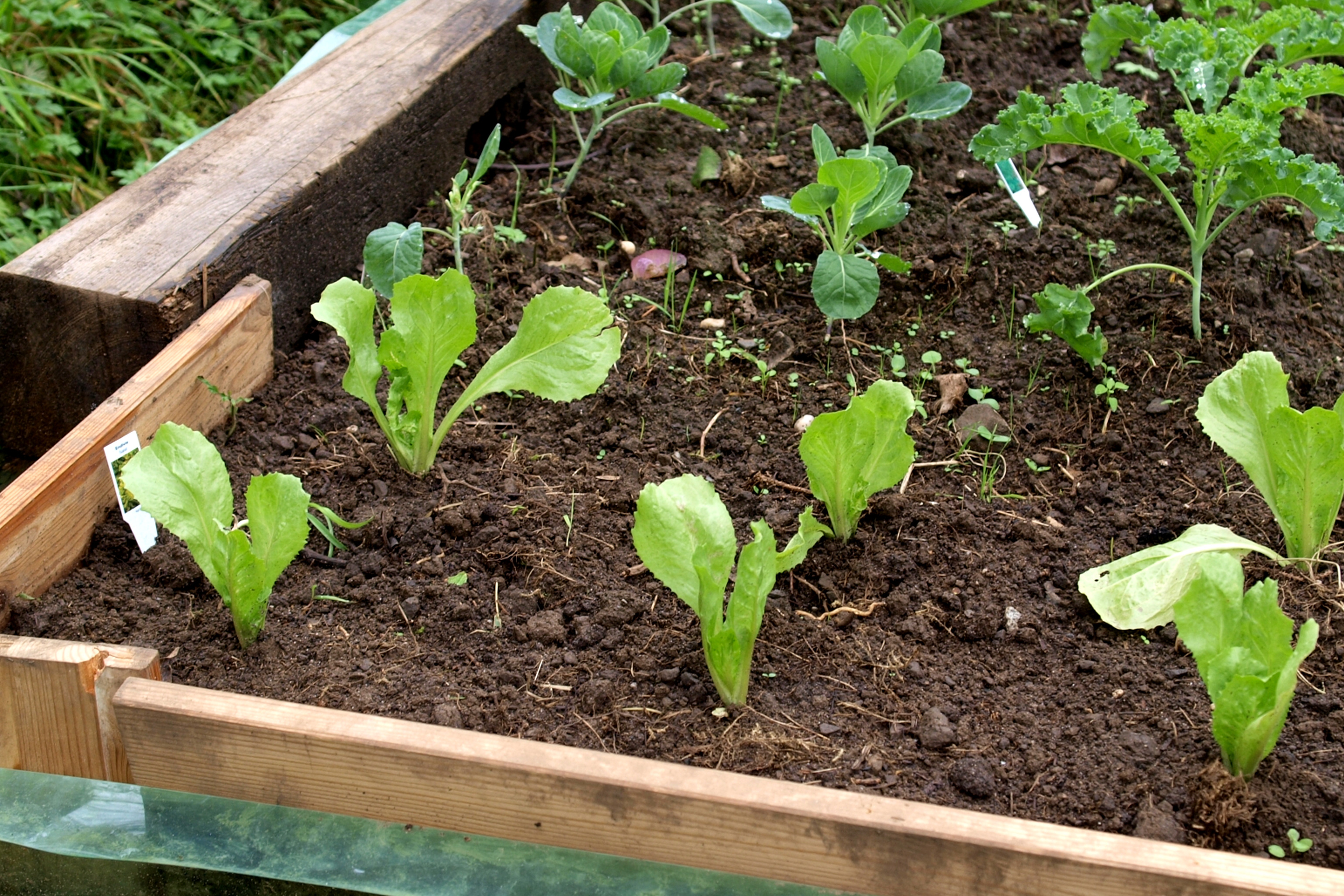

Step-by-step guide to plant an outdoor garden bed
DIY RAISED GARDEN BED | INTRODUCE KIDS TO GARDENING 🌱
Step 1
Pick a sunny spot in your yard that is flat and easy to reach.
Step 2
Measure how big you want the bed to be and mark the corners with sticks or string.
Step 3
Put on your gardening gloves.
Step 4
Remove the grass and weeds inside your marked area using the shovel or trowel.
Step 5
Loosen the soil in the bed to about 8 to 12 inches deep with the shovel or garden fork.
Step 6
Spread a layer of compost evenly over the loosened soil.
Step 7
Mix the compost into the topsoil with a rake or shovel until it is blended.
Step 8
Rake the soil level and smooth the surface of your bed.
Step 9
Make holes or rows where you will plant, following the spacing on your seed packets or plant tags.
Step 10
Put seeds or seedlings into the holes and cover them gently with soil.
Step 11
Water the whole bed gently until the soil is moist but not puddled.
Step 12
Write each plant name on a label with the permanent marker and place the labels next to the correct plants.
Step 13
Share your finished garden on DIY.org so others can see your work and watch it grow.
Help!?
What can we use if we can't find compost, a garden fork, or a permanent marker?
If you can't find compost, use well-rotted manure or shredded leaves spread during the 'Spread a layer of compost...' step, swap a shovel for a garden fork to 'Loosen the soil...', and write plant names with a pencil on waterproof tape as an alternative to a permanent marker.
My soil stays clumpy and roots are hard to plant—what should we do?
If soil is clumpy, break it up more when you 'Loosen the soil...' to 8–12 inches, add extra compost and water lightly then re-rake so the surface is smooth before you 'Make holes or rows' and plant.
How can I change this activity for a 3-year-old versus a 12-year-old?
For a 3-year-old, make a small shallow bed and let them help 'Put seeds or seedlings into the holes' and 'Water the whole bed', while a 12-year-old can 'Measure' and mark corners, dig to 8–12 inches, and mix the compost with a rake or shovel.
How can we make the garden more interesting or unique after finishing?
Decorate painted rocks or personalize labels when you 'Write each plant name on a label', add a trellis or edging when you 'Make holes or rows' for climbing plants, try companion plant groupings, and photograph progress to 'Share your finished garden on DIY.org'.
Watch videos on how to plant an outdoor garden bed
7 Tips to Garden with Kids (Easy Gardening with Children)
4 Videos
7 Tips to Garden with Kids (Easy Gardening with Children)

HOW TO START A GARDEN | Gardening for kids
Grow Food All Year: DIY Greenhouse and Vertical Garden Bed for Beginners!
How To Plant A Raised Garden Bed: Step-By-Step With Before & After
Facts about gardening for kids
🌱 Some seeds can stay dormant for centuries — a lotus seed over 1,000 years old has been known to sprout!
🧫 A teaspoon of healthy garden soil can contain billions of microorganisms that help plants get nutrients.
♻️ Composting kitchen scraps turns waste into rich soil food and can warm up as microbes break things down.
💧 Many vegetables grow best with deep, less-frequent watering so roots grow strong instead of shallow and weak.
🏷️ Labeling plants with variety and planting date makes it easy to track growth and know when to harvest.
How do you plant an outdoor garden bed with a child?
What materials do I need to plant an outdoor garden bed?
What ages is planting an outdoor garden bed suitable for?
What are the benefits and safety tips for planting a garden bed with kids?
