Pick your favorite acting warm-up and perform it.
Choose your favorite acting warm-up (vocal, breath, or physical), practice it for five minutes, and notice how your focus and energy change.


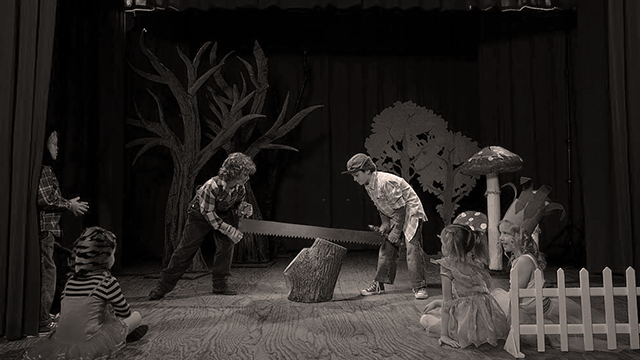

Step-by-step guide to pick your favorite acting warm-up and perform it
Step 1
Put on comfortable clothes so you can move and breathe easily.
Step 2
Place your water bottle nearby in case you get thirsty.
Step 3
Find a small clear space to stand or sit without anything in the way.
Step 4
Set a timer for five minutes.
Step 5
Choose your favorite warm-up type: vocal breath or physical.
Step 6
Decide the exact exercise you will do for that type (for example humming or lip trills for vocal; deep belly breaths for breath; shoulder rolls or a full-body shake for physical).
Step 7
Take three slow deep breaths to center your focus.
Step 8
Start the timer.
Step 9
Begin your chosen warm-up now.
Step 10
Keep doing the warm-up until the timer rings.
Step 11
When the timer rings stop your warm-up.
Step 12
Take three gentle breaths to relax your body and voice.
Step 13
Think of one short sentence that describes how your focus changed and one short sentence that describes how your energy changed.
Step 14
Share your finished warm-up practice on DIY.org.
Help!?
What can I use if I don't have a timer, water bottle, or a clear practice space?
Use a phone alarm or watch in place of the timer, a cup of water or a nearby sink for hydration, and create a small clear space by moving a chair or sitting so you can still set the timer for five minutes and take three slow deep breaths.
What should I do if I feel dizzy or my voice gets sore during the warm-up?
Stop and sit, sip your water bottle, switch from intense exercises like full-body shakes or lip trills to gentler options such as shoulder rolls or humming, take three slow deep breaths, and only resume if you feel comfortable before the timer rings.
How can I adapt this warm-up for younger or older kids?
For younger children shorten the timer to 1–2 minutes and choose simple exercises like shoulder rolls with a parent demonstrating, while older kids can increase to 10 minutes, combine vocal and physical exercises (for example lip trills then deep belly breaths), and still finish by describing how focus and energy changed.
How can I extend or personalize my warm-up practice after finishing the five minutes?
Sequence two warm-up types (vocal then physical), use a mirror or record a short video to upload to DIY.org, and write your two short sentences about how your focus and energy changed in a practice journal after the timer rings.
Watch videos on how to pick your favorite acting warm-up and perform it
7-MINUTE WARM UP EXERCISE FOR KIDS - DO BEFORE WORKOUT
4 Videos
7-MINUTE WARM UP EXERCISE FOR KIDS - DO BEFORE WORKOUT
6-MINUTE WARM UP WORKOUT FOR KIDS
10-MIN EASY WARM UP EXERCISE FOR KIDS - DAILY ROUTINE
10 WARM UP EXERCISES FOR KIDS - NO JUMPING WORKOUT
Facts about acting exercises for kids
🎭 Actors warm up to wake up their imagination — many performers say it helps them 'get into character' fast.
🗣️ Singers and actors use vocal warm-ups to protect their voice — even a 5-minute hum can loosen vocal cords.
🫁 Deep belly (diaphragmatic) breathing sends more oxygen to your brain and helps you feel calm and focused.
🤸 Physical warm-ups like shaking and stretching boost blood flow and make movements feel easier on stage.
⏱️ Practicing a warm-up for just 5 minutes can improve alertness and help build a helpful habit over time.
How do I do the 'pick your favorite acting warm-up and perform it' activity?
What materials do I need for this acting warm-up activity?
What ages is this acting warm-up activity suitable for?
What are the benefits of doing an acting warm-up for five minutes?
