Perform an aerial
Practice safe progressions toward an aerial (no-hand cartwheel) using soft mats, a trained spotter, and step-by-step drills to build strength and balance.


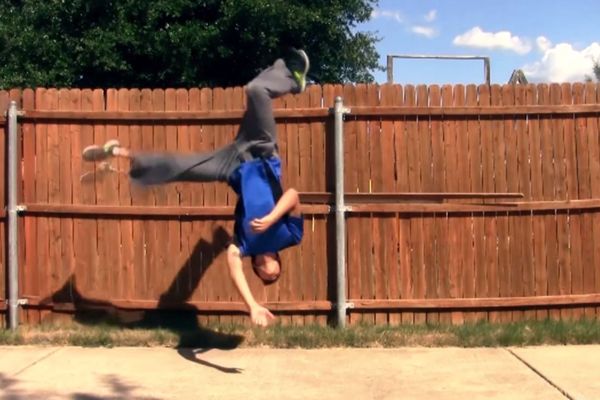
Step-by-step guide to perform an aerial (no-hand cartwheel)
HOW TO FLY A DRONE - Step by Step - Beginners Course
Step 1
Perform a 5-minute dynamic warm-up to raise your heart rate and wake up your legs.
Step 2
Hold a 30-second hamstring stretch on your right leg to loosen the back of your leg.
Step 3
Hold a 30-second hamstring stretch on your left leg to loosen the back of your leg.
Step 4
Hold a 30-second hip flexor stretch on each side to open your hips.
Step 5
Do 3 sets of 8 single-leg hops on your dominant leg to build takeoff power.
Step 6
Practice 5 controlled cartwheels on the soft mats focusing on straight legs and pointed toes.
Step 7
Practice 5 one-hand cartwheels with your spotter ready to steady your hips if needed.
Step 8
Run onto the wedge foam mat and perform 5 wedge-assisted cartwheels while your spotter supports your hips to help you feel the no-hand shape.
Step 9
Practice the aerial jackknife shape 5 times by kicking one leg forward and snapping the other through while your spotter supports your hips.
Step 10
Attempt 6 assisted no-hand aerials with your spotter giving hip-to-thigh support and aim to land on both feet each time.
Step 11
Share a short note or photo of your aerial progress and what you learned on DIY.org.
Help!?
What can I use instead of a wedge foam mat if I don't have one?
Use a folded crash mat, stacked yoga mats, or a firm mattress arranged as a slope and have your spotter stand ready to support hips during wedge-assisted cartwheels.
I'm losing balance during the assisted no-hand aerials—what should I check and fix?
Check that you completed the single-leg hops and cartwheel progressions, keep legs straight and pointed, practice the aerial jackknife snap, and ask your spotter to give steady hip-to-thigh support on each attempt.
How can I adapt the sequence for younger kids (5–7) or older beginners (12+)?
For 5–7 year olds reduce reps (2–3 hops, 3 cartwheels), add extra mat padding and closer hand spotting on one-hand cartwheels, while older beginners can keep full reps, increase assisted no-hand aerial attempts, and reduce spotter support gradually.
How can we extend or personalize the activity after mastering the assisted no-hand aerials?
Make it more challenging by videotaping attempts for form review, adding a run-to-aerial combo, increasing single-leg hop power sets, or creating a short routine and sharing progress photos or notes on DIY.org.
Watch videos on how to perform an aerial (no-hand cartwheel)
How To Fly a Drone - Beginners Guide
4 Videos
How To Fly a Drone - Beginners Guide
Learn How To Start Flying Your Drone Safely

How to Fly a Drone for the First Time in 3 Minutes!
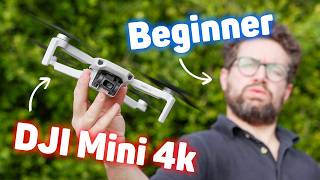
DJI Mini 4k Drone | The Complete Beginner's Guide & How To Fly
Facts about tumbling and acrobatics for kids
🤸♀️ The aerial is often called a "no-hand cartwheel" and shows up in gymnastics, tricking, and dance moves.
🛡️ Coaches always recommend soft mats and a trained spotter when learning aerials to make practice much safer.
💪 Aerials rely more on leg power, hip rotation, and a quick 'snap' than on arm strength.
🧩 Teachers break the skill into drills like strong cartwheels, one-handed cartwheels, and assisted flips to build it step-by-step.
⏱️ Short, focused practice sessions help build balance and muscle memory faster than long, tired workouts.
How do you practice safe progressions toward an aerial (no-hand cartwheel)?
What materials and equipment do I need to practice an aerial safely?
What ages or skill levels is this progression suitable for?
What are safety tips, benefits, and variations for learning an aerial?
