Paint Watercolour Pumpkins
Paint watercolor pumpkins using brushes, water, and paper to explore color mixing, shading, and simple shapes while practicing brush control and observation skills.
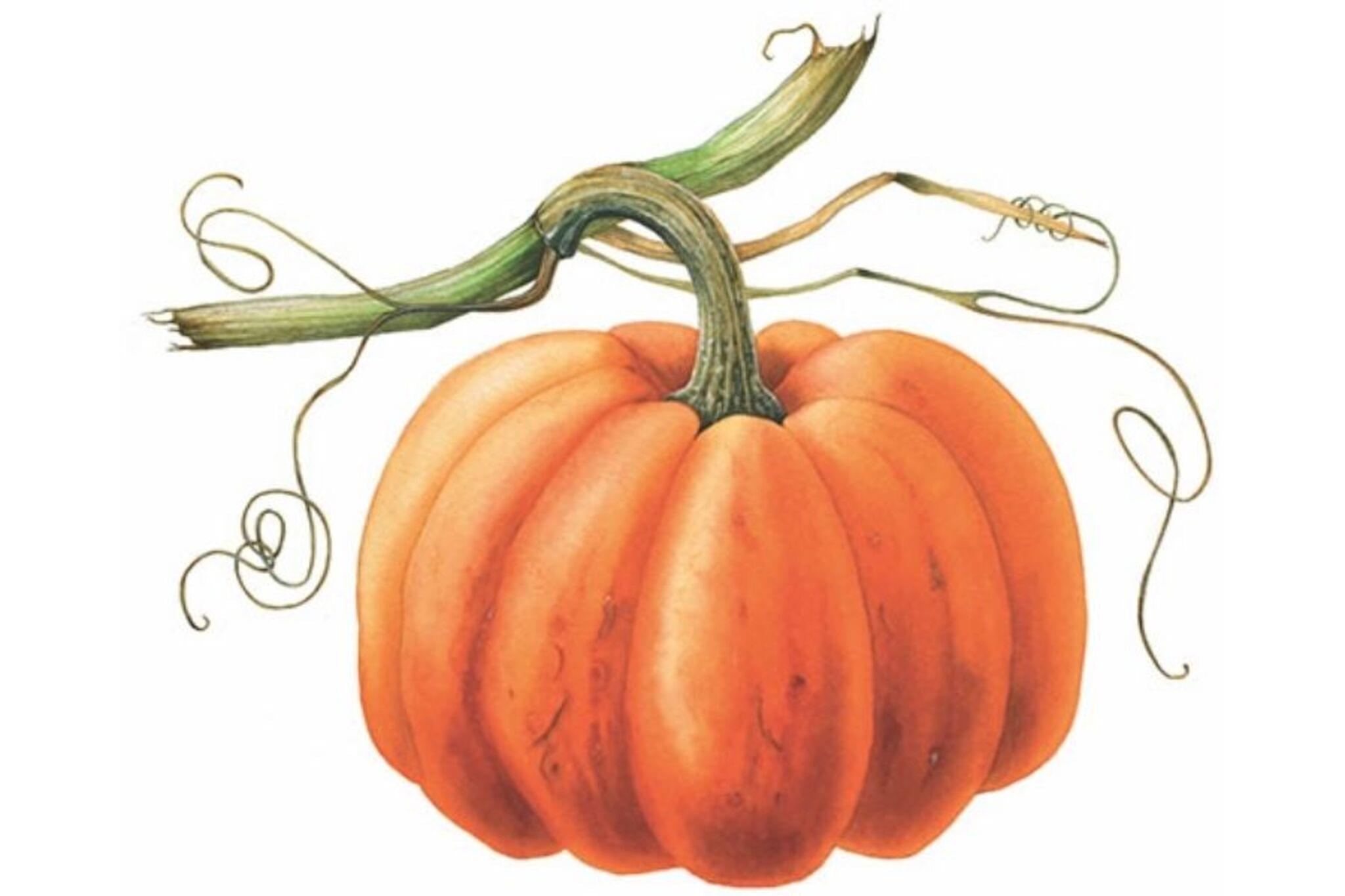
About this activity
Paint watercolor pumpkins using brushes, water, and paper to explore color mixing, shading, and simple shapes while practicing brush control and observation skills.
What you need
Step by step
- 1
Step 1
Gather all your materials and put them on the table where you can reach them.
- 2
Step 2
Protect your work surface by covering it with newspaper or an old cloth.
- 3
Step 3
Fill the cup with clean water and place it beside your paper towel.
- 4
Step 4
Place your watercolor paper on the protected table and smooth it flat.
- 5
Step 5
Lightly sketch two or three pumpkins with ridges and small stems using your pencil.
- 6
Step 6
Check your sketches and erase any extra lines you don’t want to keep.
- 7
Step 7
Paint a thin light orange base wash inside each pumpkin using a wet brush and orange paint.
- 8
Step 8
Mix a slightly darker orange on your palette by adding just a tiny bit of red to orange.
- 9
Step 9
Paint the darker orange along the sides and between the ridges to make shadows on each pumpkin.
- 10
Step 10
Use a clean damp brush to gently blend the darker paint toward the pumpkin center to soften the shadow edges.
- 11
Step 11
Dab a paper towel or a clean brush on a small spot to lift paint and create a shiny highlight on each pumpkin.
- 12
Step 12
Paint the stems using a greenish brown color and add any small details you like.
- 13
Step 13
Let your painting dry completely before moving it.
- 14
Step 14
Share your finished creation on DIY.org
Fun facts
How do I guide my child to paint watercolor pumpkins?
Set up a protected workspace and show your child how to sketch a simple round pumpkin shape with light pencil lines. Have them wet the paper lightly, then apply a light wash for the base color. Demonstrate mixing a darker orange and adding curved strokes to suggest ribs and shading. Encourage blending while wet for soft transitions, then add details after drying. Praise experimentation and practice brush control with short, deliberate strokes.
What materials do I need to paint watercolor pumpkins with kids?
You’ll need watercolor paints (pan or tube), a selection of round brushes (small and medium), watercolor paper or heavyweight mixed-media paper, a water cup, a palette or plate for mixing, paper towels or a cloth, and a pencil and eraser for light sketching. Optional items: masking fluid for highlights, salt for texture effects, and a smock or apron to protect clothing. Keep supplies child-safe and easy to reach.
What ages are watercolor pumpkin paintings suitable for?
Young children (around 3–5) can enjoy loose watercolor play with supervision and help sketching shapes, focusing on sensory exploration. Ages 5–8 are great for learning basic shapes, brush control, and simple color mixing. Ages 9+ can practice shading, layering, and more detailed pumpkins. Always supervise younger kids, simplify steps for toddlers, and offer more technique challenges for older children.
What are the benefits of painting watercolor pumpkins with children?
Painting watercolor pumpkins builds color-mixing skills, observation, and fine motor control while teaching patience with drying and layering. It encourages creativity, decision-making about tones and shading, and boosts confidence as children see progress. The activity also supports relaxation and focus, and can be adapted from playful experiments for toddlers to more refined studies for older kids, offering repeated practice for steady improvement.
Watch & Learn
Need help?
What can I use if I don't have watercolor paper or watercolor paints?
Use heavy-weight printer or mixed-media paper instead of watercolor paper and swap watercolor paints for diluted acrylics or washable tempera, but use less water so the paper doesn't buckle and follow the same steps (base wash, mix darker orange, blend shadows).
My darker orange is making the base wash look muddy—what should I do?
Let the thin light orange base wash dry completely before painting the darker orange along the sides and between the ridges, and use a clean damp brush to gently blend so the colors stay distinct instead of muddying.
How can I adapt this activity for a 3-year-old or a 10-year-old?
For a 3‑year‑old, pre-sketch large pumpkins and let them apply a single light orange base wash and paint stems with washable paint while an adult helps with water and cleanup, and for a 10‑year‑old encourage them to mix that slightly darker orange, paint shadows between the ridges, and lift highlights with a paper towel for more realistic results.
How can we personalize or extend the painting after it dries?
Once dry, personalize by adding texture with salt sprinkled on the wet base wash before it dries, painting veins and stem details with a fine brush, or applying gold or white gouache highlights where you dabbed with a paper towel and then share the finished creation on DIY.org.