Name Your Favorite Ventriloquist!
Research your favorite ventriloquist and make a colorful poster with puppet sketches, fun facts, and a short performance script to practice speaking skills.


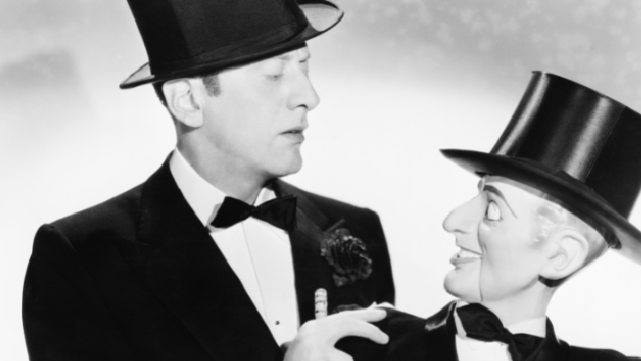

Step-by-step guide to name your favorite ventriloquist
Step 1
Choose your favorite ventriloquist and say their name out loud so you remember who you will research.
Step 2
Use a computer or books to find five fun facts about your ventriloquist and a short one-paragraph performance script to practice.
Step 3
Fold or place plain paper over the poster board and draw a quick plan showing where the title puppet sketches fun facts and script will go.
Step 4
Draw at least two puppet sketch ideas on plain paper so you can pick the best one for the poster.
Step 5
Lightly sketch your chosen puppet outline onto the poster board using your pencil and ruler for straight edges if needed.
Step 6
Write the ventriloquist’s name big and bold at the top of the poster using the black marker to make a clear title.
Step 7
Neatly write the five fun facts in the facts area of the poster using pencil then trace with marker if you like.
Step 8
Write the short performance script in the script area of the poster so you can practice speaking from it.
Step 9
Color and decorate the puppet sketches and the poster background using your coloring materials.
Step 10
Cut out and glue any extra pictures or decorations onto the poster for more color and fun.
Step 11
Practice the short performance out loud at least three times using a puppet voice and clear breathing.
Step 12
Erase any stray pencil lines from the poster so it looks neat and tidy.
Step 13
Let any glue or wet marker dry completely before moving the poster.
Step 14
Share your finished poster and a short video or photo of your performance on DIY.org
Help!?
What can we use if we don't have poster board, a black marker, or glue?
Use a flattened cereal box or large piece of cardboard or poster-sized printer paper instead of poster board, a dark crayon or permanent marker in place of the black marker, and double-sided tape or a glue stick instead of liquid glue to attach decorations.
My puppet sketch or title looks messy—how can I fix it before I trace with marker?
Redraw the puppet outline and title lightly in pencil, use the ruler for straight edges, erase stray pencil lines thoroughly (as the instructions say) and only trace with the black marker once you are happy with the neat pencil sketch.
How can I adapt this activity for younger kids or make it harder for older kids?
For younger children, reduce the research to two or three fun facts, provide pre-drawn puppet templates and help with cutting and gluing, while older kids can use a computer to find extra facts, write a longer performance script, and add photos or QR links to the poster.
What are some ways to personalize or expand the finished poster and performance?
Turn your chosen sketch into a simple hand puppet using fabric or a paper bag and glue it to the poster, record a short performance video to share on DIY.org as instructed, and decorate further with extra pictures, stickers, or a mini booklet of facts glued to the board.
Watch videos on how to research and create a ventriloquist poster
America's Got Talent Ventriloquist Paul Zerdin - No Strings Live (Full Show)
4 Videos
America's Got Talent Ventriloquist Paul Zerdin - No Strings Live (Full Show)
Paul Zerdin Ventriloquist America's Got Talent 2015 All Performances|GTF
Ventriloquist David Pendleton Performs on the Huckabee Stage | Jukebox | Huckabee

The MOST TALENTED Ventriloquists on AGT and BGT!
Facts about puppetry and performing arts
🎤 Ventriloquism comes from Latin words meaning "to speak from the belly" (venter = belly, loqui = speak).
🪆 Edgar Bergen's dummy Charlie McCarthy became a huge radio star in the 1930s—even without a face on air, audiences loved the character.
🎬 Jeff Dunham helped bring ventriloquism back to mainstream TV in the 2000s with comedy specials featuring memorable puppet personalities.
🤐 Ventriloquists practice lip control and substitute tricky consonants so their lips can stay still while the puppet seems to talk.
🎭 Great ventriloquists give each puppet its own voice, personality, and backstory so the audience instantly knows who's speaking.
How do I run the "Name Your Favorite Ventriloquist" poster activity with my child?
What materials do I need for the ventriloquist research and poster activity?
What ages is the "Name Your Favorite Ventriloquist" activity suitable for?
What are the benefits of researching and making a ventriloquist poster?
