Mimic Your Favorite Color Palette
Mix paints or colored pencils to recreate your favorite color palette, arrange swatches on a board, then make a small painting matching those hues.


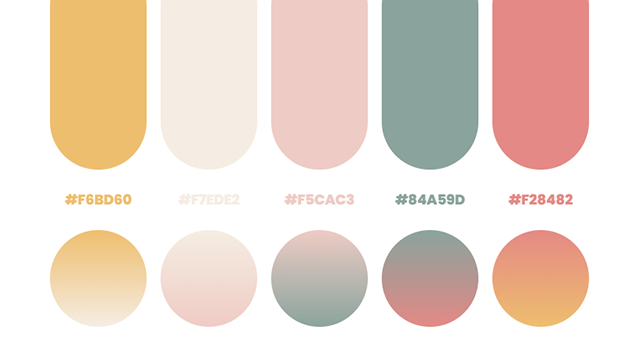

Step-by-step guide to Mimic Your Favorite Color Palette
Step 1
Gather all the Materials Needed and bring them to your workspace.
Step 2
Choose 4 to 6 colors from your favorite color palette to copy.
Step 3
Cover your table with a protective layer and place the cup of water and paper towel nearby.
Step 4
Decide whether you will mix paints or use colored pencils for this project.
Step 5
If you chose paints put small blobs of base colors on your palette; if you chose colored pencils pick the pencils closest to your chosen colors.
Step 6
Mix or layer colors to make a first test swatch on the paper for the first chosen color.
Step 7
Compare the test swatch to your chosen color and tweak your mix or pencil layers until they match.
Step 8
Repeat mixing and testing until you have matching swatches for all 4 to 6 chosen colors.
Step 9
Label each swatch lightly with a pencil so you remember how you mixed each color.
Step 10
Cut out the swatches if you like and arrange them on the cardboard or foam board until the layout looks pleasing.
Step 11
Attach each swatch to the board with tape or glue so the palette stays in the order you like.
Step 12
Lightly sketch a small painting idea on your painting paper or canvas that uses your palette.
Step 13
Paint or color your small painting using your swatches as direct color guides.
Step 14
Let your painting dry and add any tiny final touches to make the colors match perfectly.
Step 15
Take a photo and share your finished creation on DIY.org.
Help!?
What can we use if we don't have a paint palette or foam board?
Use a clean ceramic plate or disposable plastic lid for mixing paints and recycle a cereal-box piece or a sturdy book cover instead of foam board to attach your swatches.
My mixed color doesn't match the color I'm copying — what should I try?
When a test swatch from 'Mix or layer colors to make a first test swatch' doesn't match, make a fresh swatch, tweak by adding tiny amounts of the base colors, blot excess water on the paper towel between tries, and let samples dry before comparing.
How can I simplify or make this activity harder for different ages?
For younger kids pick only 3 colors and use colored pencils while skipping cutting and detailed labels, and for older kids test 6+ shades, write exact mix formulas on each swatch (step 'Label each swatch') and plan a more detailed sketched painting.
How can we make the finished palette board more special before sharing it?
Enhance the project by creating gradients or textured swatches with layering or a palette knife, arranging and decorating the cardboard backing (steps 'Cut out the swatches' and 'Attach each swatch'), then photograph the result and share it on DIY.org.
Watch videos on how to Mimic Your Favorite Color Palette
CHOOSING COLORS: How to Use Color Palettes for Coloring Pages
4 Videos
CHOOSING COLORS: How to Use Color Palettes for Coloring Pages
How to make a mini watercolour palette - lots of ideas for tiny pocket palettes - so cute!

How to Paint Sunsets | Warm vs. Cool Color Theory Art Lesson for Kids
The 7 Elements of Art Explained: A Fun and Easy Guide for Kids! 🎨
Facts about color mixing and painting for kids
🎨 Some reds and blues mix to a muddy brown instead of purple—different pigments behave differently, so try several pairs.
🌈 The classic color wheel shows 12 main hues and helps you choose combos like complementary (opposites) or analogous (neighbors).
🖌️ Ultramarine, made from ground lapis lazuli, was once more expensive than gold and prized by painters.
🧪 If you mix too many paint colors together you usually get a muddy brown—artists use limited palettes to keep colors vibrant.
🗂️ Painting tiny swatches and letting them dry helps you judge a color accurately before using it in your artwork.
How do I do the Mimic Your Favorite Color Palette activity with my child?
What materials do I need for the Mimic Your Favorite Color Palette activity?
What ages is the Mimic Your Favorite Color Palette activity suitable for?
What are the benefits of doing the Mimic Your Favorite Color Palette activity?
