Make your Maracas!
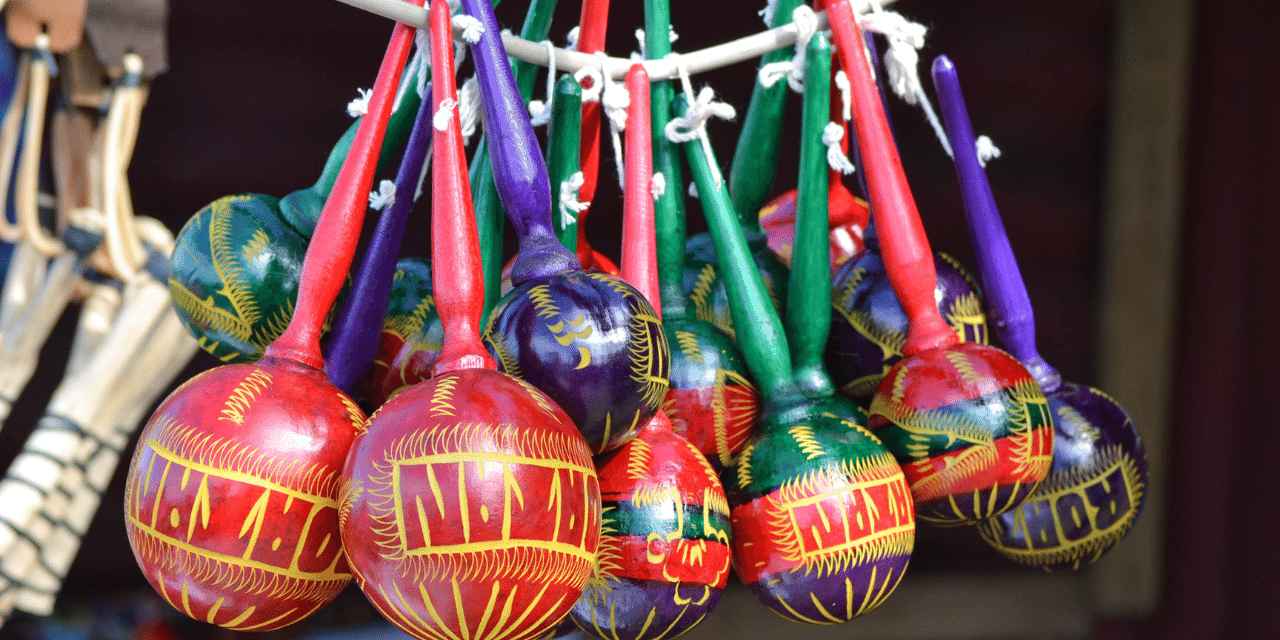
Make colorful maracas using recycled bottles, rice, tape, and decorations; test sound differences by changing fillings and sizes while learning about vibration and rhythm.
About this activity
Make colorful maracas using recycled bottles, rice, tape, and decorations; test sound differences by changing fillings and sizes while learning about vibration and rhythm.
What you need
Step by step
- 1
Step 1
Wash and dry the empty plastic bottles to remove any leftover smells.
- 2
Step 2
Peel off the labels from the bottles so the sides are clean for decorating.
- 3
Step 3
Choose two bottles of different sizes to test how bottle size changes the sound.
- 4
Step 4
Make a funnel from scrap paper or use a real funnel to help pour fillings.
- 5
Step 5
Pour a small amount of rice into the smaller bottle using the funnel.
- 6
Step 6
Pour a small amount of beans or beads into the larger bottle using the funnel.
- 7
Step 7
Screw the caps on each bottle as tightly as you can.
- 8
Step 8
Wrap strong tape around each cap so the lids stay sealed while you shake them.
- 9
Step 9
Put masking tape on each maraca and write its filling name so you can remember which is which.
- 10
Step 10
Decorate both maracas with markers stickers or colored paper to make them colorful.
- 11
Step 11
Shake the rice maraca and listen carefully to its sound.
- 12
Step 12
Shake the beans maraca and listen carefully to its sound to compare.
- 13
Step 13
Add or remove a little filling from one maraca to change the amount and test how the sound changes.
- 14
Step 14
Shake both maracas again to hear how the filling amount and size affect the sound.
- 15
Step 15
Share your finished maracas and what you learned about sound on DIY.org
Fun facts
How do I make maracas with recycled bottles?
To make maracas, clean and dry empty plastic bottles. Add a small amount of filling (rice, beans, or beads) using a funnel, then test different amounts for sound. Seal the bottle mouth tightly with strong tape or have an adult hot-glue the cap. Wrap the neck with tape for a handle, then decorate with paint, washi tape, or stickers. Compare sounds from different fillings and bottle sizes to learn about vibration and rhythm.
What materials do I need to make recycled bottle maracas?
You need empty plastic bottles (various sizes), rice/beans/pasta/seeds or small pebbles for fillings, a funnel or spoon, strong tape or hot glue for sealing, scissors, and decorations like paint, markers, stickers, or washi tape. Optional: small funnels, measuring spoons to test amounts, and cushioning (tissue) to change sound. Use non-toxic supplies and an adult for any hot-glue or sharp tools.
What ages is this maraca-making activity suitable for?
This activity suits preschoolers through elementary ages. Toddlers (3–5) can help fill and decorate with close adult supervision and assistance sealing bottles. Children 6–8 can measure fillings and experiment with less help, while 9+ can design variations and test acoustics independently. Adjust complexity—safer closed bottles and adult help for younger kids; science-focused challenges for older children.
What are the benefits, safety tips, and variations for making maracas?
Making maracas builds fine motor skills, rhythm, listening, creativity, and basic science understanding (vibration and sound). Safety tips: avoid small fillings with children under 3, supervise sealing and glue, use non-toxic decorations, and check for sharp edges. Variations: try different fillings (rice, beans, beads), use varying bottle sizes, tape two bottles together, or add a cardboard handle. Test and record sound changes for a simple science experiment.
Watch & Learn
Need help?
What can we substitute for rice, beans, beads, a funnel, or the strong tape used to seal the caps?
Use dried pasta shapes, lentils, popcorn kernels, or small pebbles instead of rice/beans/beads, roll scrap paper into the funnel shown in step 4 or use a spoon to pour, and replace strong tape with duct tape or a glued seam to keep caps sealed.
My maraca lid came loose or the fillings leaked when I shook it—what should I do?
Unscrew and re-tighten the caps as in step 6, then wrap more strong tape around the lids as directed in step 7 and test with gentle shakes before decorating.
How can I adapt this activity for toddlers, older kids, or teens?
For toddlers have an adult wash bottles, pre-fill and securely tape caps and use larger fillings like dried pasta to reduce choking risk, while older kids and teens can measure amounts, try different bottle sizes as in step 3, and record how adding/removing fillings changes the sound.
How can we extend or personalize the maracas activity after finishing the basic steps?
Make a set of maracas with varied fillings and amounts, label each with masking tape per step 11, decorate them differently, and create a chart comparing sounds to perform a rhythm to share on DIY.org.