Make Spiderwebs!
Make spiderwebs by stretching cotton or yarn across a frame, decorating with glue and glitter while learning how real spiders build and trap prey.
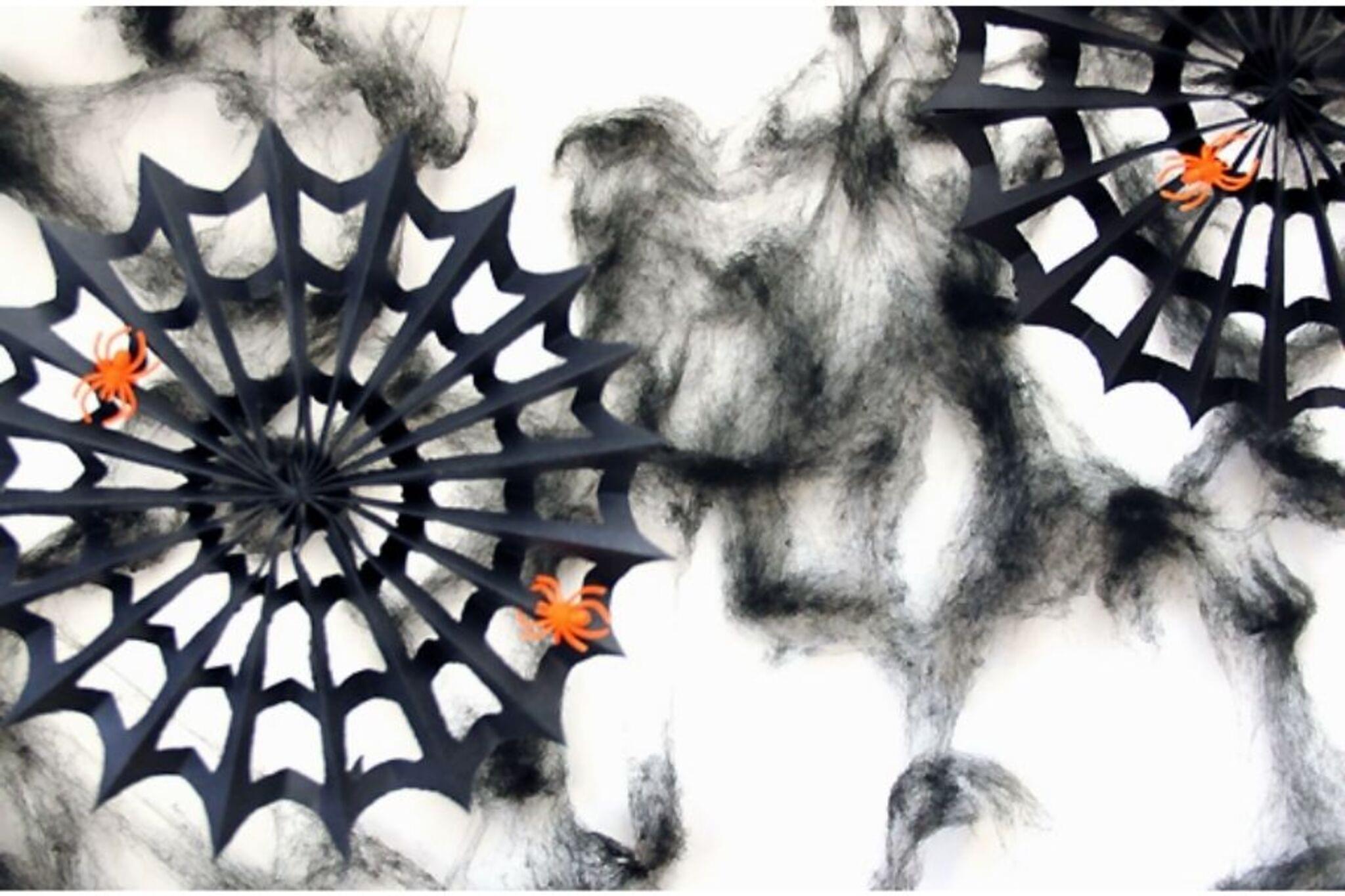
About this activity
Make spiderwebs by stretching cotton or yarn across a frame, decorating with glue and glitter while learning how real spiders build and trap prey.
What you need
Step by step
- 1
Step 1
Pick your frame to stretch the web across by choosing a cardboard ring or an embroidery hoop.
- 2
Step 2
Ask an adult to help cut a hole in the middle of the cardboard to make a ring if you are using cardboard.
- 3
Step 3
Use a ruler and pencil to mark 8 evenly spaced anchor points around the edge of the ring.
- 4
Step 4
Tape one end of the yarn securely to the ring at one anchor point.
- 5
Step 5
Stretch the yarn across to the opposite anchor point and tie or tape it down to make the first spoke.
- 6
Step 6
Repeat stretching and tying yarn across the ring to make 6 to 8 spokes like the ribs of a wheel.
- 7
Step 7
Tie a new piece of yarn near the center and wrap it in a spiral outward, looping around each spoke to form the capture spiral.
- 8
Step 8
Squeeze small dots or thin lines of white glue along the spiral so the glitter will stick.
- 9
Step 9
Sprinkle glitter over the glue while it is still wet so the sparkles attach to the threads.
- 10
Step 10
Set your web flat and let the glue dry completely for at least 30 minutes to one hour.
- 11
Step 11
With an adult, look at a picture of a real spiderweb and point out the radial spokes and the spiral capture thread to learn how spiders trap prey.
- 12
Step 12
Share your finished spiderweb on DIY.org.
Fun facts
How do you make spiderwebs by stretching yarn across a frame?
Start by making a frame from an embroidery hoop, cardboard, or four taped sticks. Tie one end of yarn or cotton to the frame, then stretch spokes from the center to the edges like a wheel. Weave a spiral of yarn around the spokes, securing with small knots or a dab of glue at intersections. Add glue along strands and sprinkle glitter or sequins for dew. Let dry fully and talk about how spiders build radial and spiral threads to catch prey.
What materials do I need to make yarn spiderwebs?
You’ll need a frame (embroidery hoop, cardboard circle, or four small sticks taped together), yarn or cotton string, scissors, craft glue or a low-temperature hot glue gun (adult use), clothespins or paper clips to hold strands while drying, glitter or sequins for decoration, and a protective mat or newspaper. Optional: beads, pipe cleaners, non-toxic glue pens, and tweezers for placing tiny decorations.
What ages is the spiderweb stretching activity suitable for?
This craft works for preschoolers through tweens with age-appropriate help. Ages 3–5 can press yarn into a pre-made frame and add glue with close adult supervision. Ages 5–8 can tie, stretch, and weave with guidance. Ages 9+ can design complex patterns, use hot glue safely, and lead a short lesson on spider behavior. Supervise scissors, small decorations, and hot glue with younger children.
What are the benefits, safety tips, or fun variations for making spiderwebs?
Benefits include improving fine motor skills, pattern recognition, creativity, and a hands-on chance to discuss spider biology and ecosystems. Safety tips: use non-toxic glue and child-safe scissors, skip loose glitter for very young kids or use glitter alternatives, and supervise hot glue and small decorations. Variations: make glow-in-the-dark webs, add paper “prey” pieces, build outdoor stake frames, or turn webs into window art using clear contact paper.
Watch & Learn
Need help?
What can we use if we don't have an embroidery hoop or cardboard ring?
Use a sturdy paper plate with the center cut out, a large plastic lid, or bend a wire coat hanger into a ring to stretch the yarn across like the frame in step 1.
The yarn keeps slipping or my spokes are loose — what should I do?
Securely tape or double-knot the yarn at each marked anchor point (steps 3–5), tighten each spoke before tying, and add a small dab of glue or extra tape where the yarn meets the ring to prevent slipping while you make the spiral.
How can we adapt the activity for different ages?
For preschoolers have an adult cut the ring and make only 4–6 thick-yarn spokes and help wrap the spiral, while older kids can measure 8 anchor points with a ruler, use thinner yarn or fishing line, and create tighter, more detailed capture spirals (step 6).
How can we personalize or make the spiderweb fancier?
While you wrap the spiral (step 6) thread on beads or sequins and, instead of or in addition to glitter in step 9, use glow-in-the-dark paint or multiple glitter colors for extra sparkle and effect.