Make a winter survival kit
Assemble a compact winter survival kit with safe items like warm layers, basic bandages, flashlight, snacks, and an emergency plan to learn preparedness.


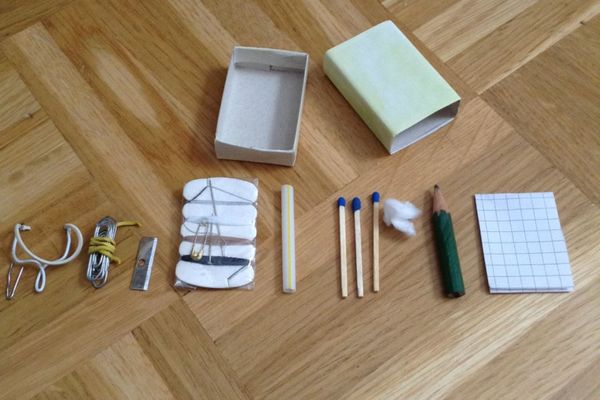

Step-by-step guide to make a winter survival kit
Meet "Buster" - The Ultimate Winter Survival Kit That Fits in One Bucket
Step 1
Choose a small backpack or a sturdy box to be the home for your winter survival kit.
Step 2
Clear a table and neatly lay out all the materials so you can see everything.
Step 3
Check each item to make sure the flashlight works the batteries are fresh the snacks are not expired and bandages are sealed.
Step 4
Fold the warm hat gloves and socks and place them into the kit.
Step 5
Fold the thermal emergency blanket and tuck it into the kit.
Step 6
Put the basic first aid items into the kit.
Step 7
Place the flashlight with fresh batteries into the kit.
Step 8
Pack the nonperishable snacks and the sealed water bottle into the kit.
Step 9
Add the whistle and the disposable hand warmers into the kit.
Step 10
Write an emergency plan in the notebook that names a safe meeting place two contact phone numbers and any allergies.
Step 11
Put the written emergency plan into the resealable plastic bag to keep it dry.
Step 12
Slide the bagged plan into the kit so it stays with your supplies.
Step 13
Close the kit securely so nothing falls out.
Step 14
Use tape and a marker to label the kit with your name and Winter Survival Kit.
Step 15
Share your finished Winter Survival Kit on DIY.org.
Help!?
What can I use if I can't find a thermal emergency blanket or disposable hand warmers?
If you can't find a thermal emergency blanket use a folded heavy-duty garbage bag or a sheet of aluminum foil folded tightly and replace disposable hand warmers with extra wool socks or a microwaveable heat pack, then tuck them into the kit as instructed.
My flashlight stopped working after packing it—what should I do?
If the flashlight fails, follow the 'Check each item' step again by replacing the batteries with fresh ones, test the flashlight before placing it into the kit, and pack spare batteries inside the kit.
How can I adapt this activity for a preschooler versus a teenager?
For preschoolers, have a parent pre-check items and let the child fold the warm hat, gloves, and socks and stick picture labels on the kit and seal the bagged plan for them, while teenagers should write a full emergency plan in the notebook with meeting place and contacts, test the flashlight and batteries themselves, and label the kit.
How can we personalize or upgrade our Winter Survival Kit after following the basic steps?
After closing and labeling your kit, personalize it by decorating the backpack with waterproof markers or patches, add a laminated checklist of packed items inside the resealable plastic bag with the written emergency plan, and include extras like a small power bank or a comfort item before sharing on DIY.org.
Watch videos on how to make a winter survival kit
I Built a PERFECT Bushcraft Cave Shelter for Winter Survival
4 Videos

I Built a PERFECT Bushcraft Cave Shelter for Winter Survival
WINTER SURVIVAL in the Wilderness, Building a Bushcraft Shelter!
Winter Survival - How To Build a Lifesaving Survival Shelter!
Build a simple warm winter shelter covered with ginger grass
Facts about winter safety and emergency preparedness for kids
🥶 Even mild temperatures plus wind or wet clothes can cause hypothermia — staying dry and layered really matters.
🔦 Tiny LED flashlights can run for dozens to over a hundred hours on a single set of batteries, so small lights are great for compact kits.
🍫 Energy-dense snacks like nuts or chocolate pack quick calories — 100 g of chocolate can contain around 500 calories to help keep you warm.
🩹 A basic first-aid kit (bandages, gauze, antiseptic wipes, tape) covers the majority of small injuries kids are likely to handle outdoors.
📋 Having a written emergency plan and contact list makes it much faster for families to reconnect and get help if someone gets separated.
How do I help my child assemble a compact winter survival kit?
What materials do I need for a child-friendly winter survival kit?
What ages is this winter survival kit activity suitable for?
What are the safety tips and learning benefits of making a winter survival kit with kids?
