Make a sourdough culture
Make a sourdough culture by mixing flour and water, feed it daily, observe bubbles and growth, with an adult supervising the safe fermentation process.


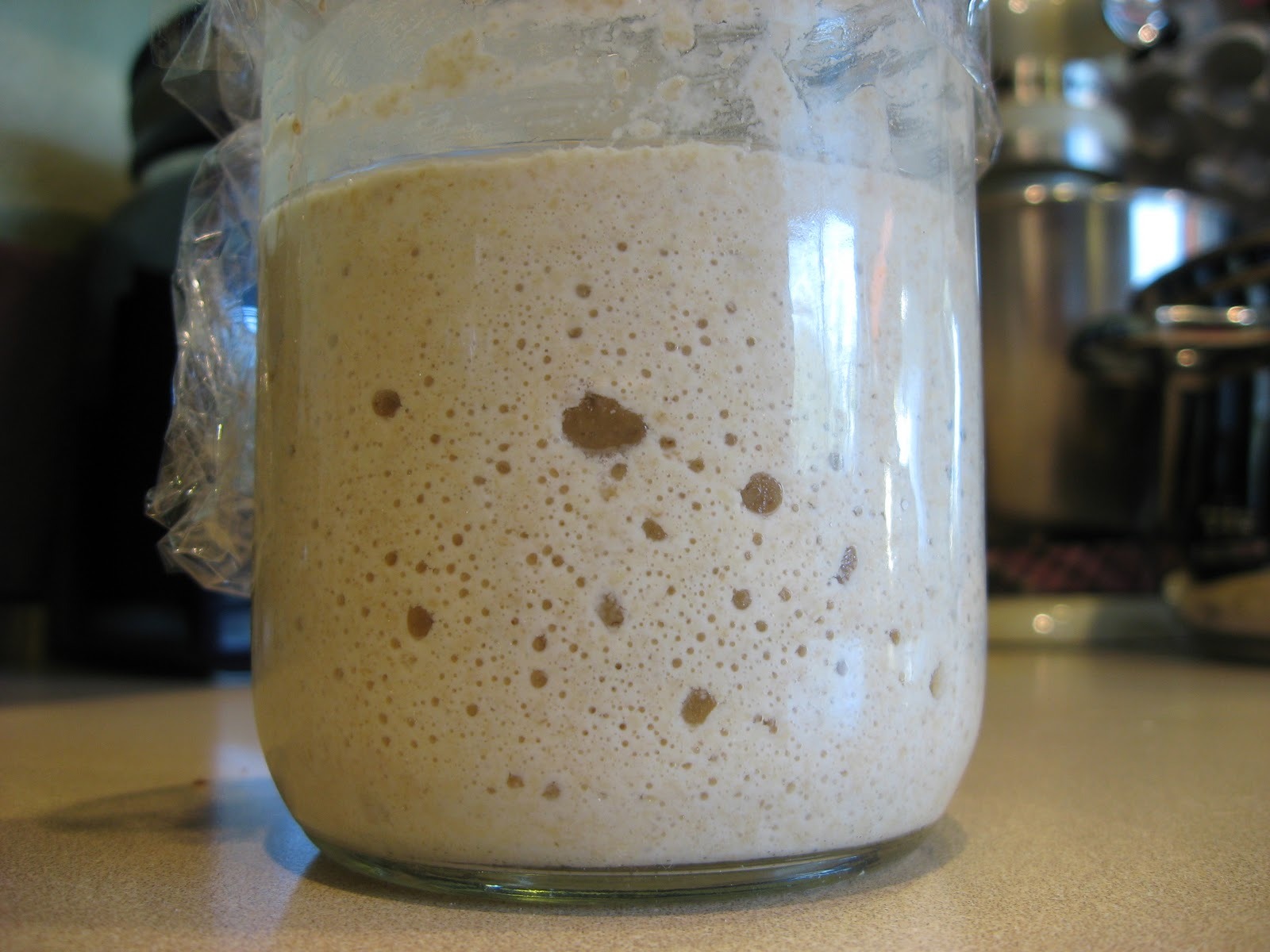

Step-by-step guide to make a sourdough culture
Easy Sourdough Starter Guide: Just Flour & Water!
Step 1
Wash your hands and make sure the jar is clean.
Step 2
Write today’s date on the jar with the marker or a sticky note.
Step 3
Use the measuring cup to add 1/4 cup of flour to the jar.
Step 4
Use the measuring cup to add 1/4 cup of room-temperature water to the jar.
Step 5
Stir the flour and water together with the spoon until the mixture is smooth.
Step 6
Cover the jar with the breathable cloth or paper towel.
Step 7
Secure the cloth with the rubber band or loosely fasten the lid.
Step 8
Mark the top level of the mixture on the jar with the marker or sticky note.
Step 9
Leave the jar at room temperature for 24 hours.
Step 10
Look inside the jar for small bubbles forming on the surface.
Step 11
Smell the jar from a short distance to check for a mild tangy scent.
Step 12
Use the spoon to remove and discard about half of the starter from the jar.
Step 13
Add 1/4 cup flour and 1/4 cup water to the jar and stir until smooth.
Step 14
Repeat Steps 6 through 13 every 24 hours for 5 to 7 days until the starter is bubbly and about doubled in size.
Step 15
Share your finished sourdough culture on DIY.org.
Help!?
What can we use if we don't have a measuring cup, breathable cloth, or rubber band?
If you don't have a measuring cup use 4 tablespoons for each 1/4 cup, and if you lack a breathable cloth or paper towel to cover the jar in Step 6 use a clean coffee filter or thin kitchen towel and secure it with string or a loose lid instead of a rubber band.
What should we do if the starter isn't bubbling or it smells bad?
If no bubbles appear after 48 hours or the jar smells rotten instead of the mild tangy scent from Step 10, move the jar to a warmer spot (about 21–26°C), confirm you used room-temperature water in Step 4, and if you see fuzzy colored mold discard the starter and start again from Step 3.
How can we adapt this activity for different age groups?
For preschoolers have an adult handle the measuring and pouring in Steps 3–5 and 11–12 while the child stirs, marks the top level in Step 7, and smells in Step 10, and for older kids let them follow Steps 1–13 independently and document progress to share on DIY.org.
How can we extend or personalize the sourdough culture project?
To enhance the project, feed the starter with 1/4 cup whole-grain or rye flour in Step 12 to increase activity, decorate and date the jar from Step 2 and Step 7, and use the bubbly, doubled starter after repeating Steps 6–13 to bake a small sourdough loaf to post on DIY.org.
Watch videos on how to make a sourdough culture
My Easy GUIDE To Making A SOURDOUGH STARTER | How To Make A Sourdough Starter from scratch
4 Videos
My Easy GUIDE To Making A SOURDOUGH STARTER | How To Make A Sourdough Starter from scratch
The Easiest Way to Make a Sourdough Starter

The Complete Sourdough Starter Guide
How to Start a Sourdough Starter: Foolproof, Simple Tips for Success | Beginner's Guide
Facts about sourdough fermentation and baking for kids
🍞 Sourdough is one of the oldest ways to make leavened bread — people used it over 4,000–5,000 years ago!
🦠 A sourdough starter is a living mix of wild yeasts and lactic acid bacteria that makes dough rise and tastes tangy.
⏳ Some sourdough starters have been kept alive for decades or even centuries by regular feedings.
🌾 Using whole-grain or rye flour often helps a starter get bubbly faster because it has more food for microbes.
🔬 The bubbles you see are carbon dioxide from yeast and bacteria — that’s the starter “breathing” and growing.
How do you make a sourdough culture with a child?
What materials do I need to start a sourdough starter with my child?
What ages is making a sourdough starter suitable for?
What safety precautions should I take when fermenting sourdough with a child?
