Make a scale model
Make a scale model of a house using cardboard, a ruler, scissors, and glue; measure, convert dimensions, and build a small replica to learn scaling.


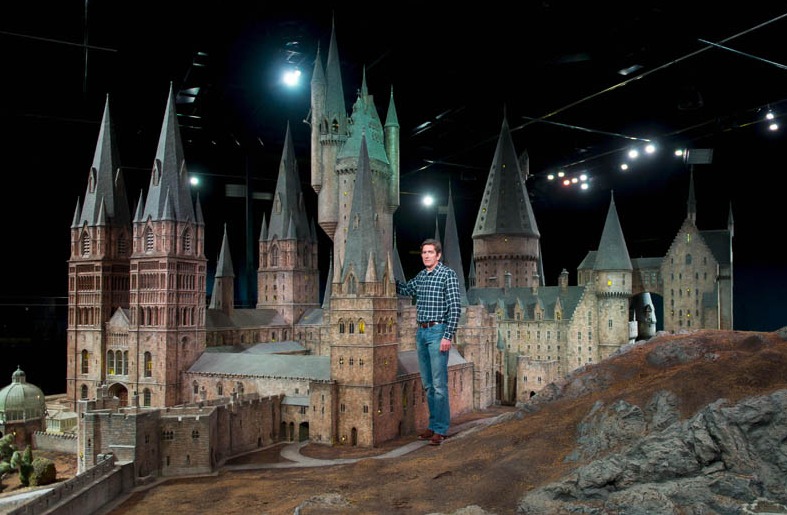

Step-by-step guide to make a scale model of a house
DIY Balance Scale for Kids | Easy Craft with Bottle Lids & Popsicle Sticks | KidiesTime7
Step 1
Measure the house's external length width and height with a measuring tape and write each number down.
Step 2
Convert any measurements in meters to centimeters by multiplying by 100 so all measurements are in cm.
Step 3
Choose a scale such as 1:50 or 1:25 and write the scale down (for example 1:50 means 1 cm on the model = 50 cm on the real house).
Step 4
Calculate each model dimension by dividing the real measurement in cm by the scale factor and write the model sizes in cm.
Step 5
Use the ruler and pencil to draw the floor plan on the cardboard using the model dimensions.
Step 6
Use the ruler and pencil to draw each wall elevation on cardboard using the model height and width.
Step 7
Add 1 cm glue tabs to the edges of the wall drawings so the walls can be joined.
Step 8
Draw roof pieces on cardboard using the model roof dimensions you calculated.
Step 9
Carefully cut out all wall roof and glue-tab pieces along your drawn lines with scissors.
Step 10
Score and fold the glue tabs and any roof center lines by running the ruler and gently scraping with a blunt edge.
Step 11
Apply glue to the tabs and press the walls together to form the house then glue the roof pieces on top and hold until set.
Step 12
Draw and color windows doors and other details with marker and colouring materials to finish your miniature house.
Step 13
Share a photo and a short description of your finished scale model house on DIY.org.
Help!?
What can we use if we don't have a measuring tape, cardboard, or glue for the model?
Use a ruler or a length of string measured against a ruler instead of a measuring tape, substitute cereal-box or shipping-box cardboard or foam board for the cardboard, and replace white glue with a glue stick or double-sided tape to join the 1 cm glue tabs.
My walls aren't fitting together or tabs keep tearing — how do we fix that?
Recheck your calculated model dimensions from step 4, trim or score the 1 cm glue tabs more precisely using the ruler and blunt edge from the scoring step, and use stronger PVA glue or small clips to hold the walls until the glue sets so pieces align.
How can this activity be adapted for different ages?
For ages 3–6 use a large scale (e.g., 1:10), pre-draw and pre-cut the floor plan and wall pieces and let them color and glue the assembled house, for 7–10 supervise measuring and cutting with safety scissors, and for older kids use 1:50 or 1:25, a craft knife for precise cuts, and have them calculate and draw all dimensions themselves.
What are some ways to extend or personalize the finished scale model house?
Add texture and detail by gluing fabric or sandpaper for roof tiles, use small LED tealights inside the glued house, create paper or clay trees and a base yard, and then color the windows and doors before photographing the finished model to share on DIY.org.
Watch videos on how to make a scale model of a house
Creating a Scale Model of the Solar System: DIY Activity
4 Videos
Creating a Scale Model of the Solar System: DIY Activity
Weighing Scale Working Model | Science Projects
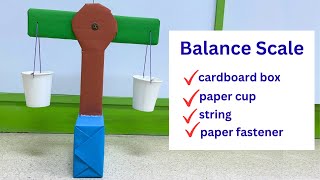
DIY Balance Scale | School Project | How to Make a Weighing Scale from Cardboard
Stonehenge Model Project
Facts about scale modeling for kids
🏛️ Architectural models commonly use scales like 1:50 or 1:100 so designers can study whole buildings at a tiny size.
📐 A scale of 1:100 means 1 cm on your model equals 1 meter on the real house — an easy way to convert with centimeters.
📦 Cardboard is lightweight, sturdy, and recyclable, making it a favorite material for kids' model-making projects.
📏 Many rulers show both centimeters and inches so you can measure, compare, and convert between metric and imperial units.
🧠 Building scale models boosts spatial reasoning and planning skills — it's hands-on math, design, and problem solving!
How do you make a scale model of a house using cardboard?
What materials do I need to build a cardboard scale model house?
What ages is making a cardboard scale model house suitable for?
What are the benefits of making a scale model house?
