Make a Rube Goldberg machine
Design and build a simple Rube Goldberg machine using household items to complete one small task, testing cause and effect, creativity, and teamwork.


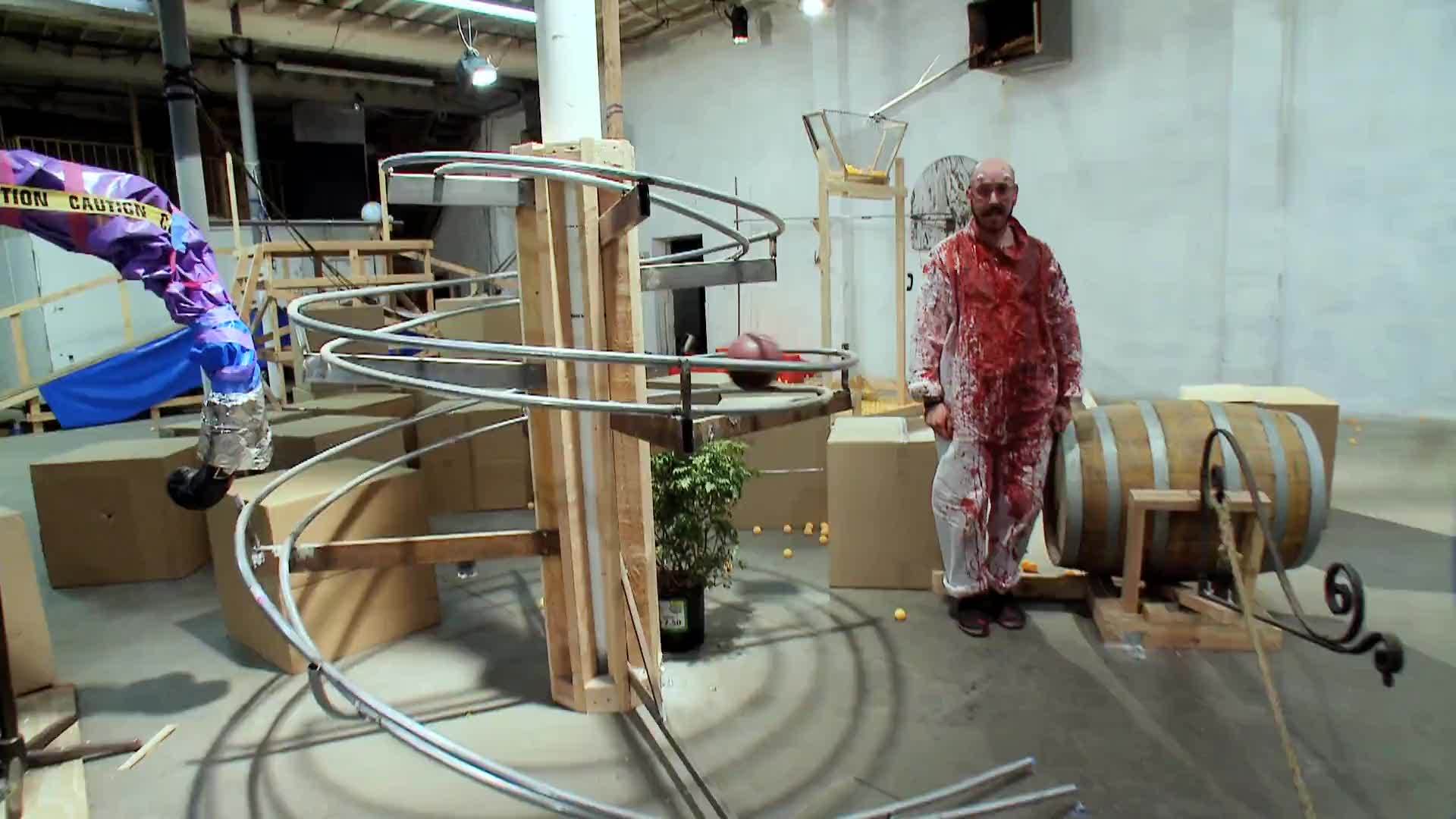

Step-by-step guide to make a Rube Goldberg machine
How To Build a Rube Goldberg Machine | STEM Lesson Plan
Step 1
Choose one small task your machine will do like knock a cup over or drop a marble into a cup.
Step 2
Clear a flat workspace on the floor or table to build your machine.
Step 3
Gather all the materials listed and bring them to your workspace.
Step 4
Draw a simple plan showing which piece will trigger the next piece in order.
Step 5
Set up a row of dominos or small blocks to act as the first trigger.
Step 6
Build a ramp using a book and a cardboard tube so a marble or toy car can roll down.
Step 7
Attach a piece of string between two elements so motion from one will pull or move the next.
Step 8
Place the final target item (the cup or object to be moved) where the last part of the machine will hit it.
Step 9
Test just the first section by pushing the first domino or releasing the marble to see what happens.
Step 10
Fix one problem you saw by moving a piece, changing an angle, or adding tape to make it more reliable.
Step 11
Run the whole machine from the start and watch each step cause the next one.
Step 12
Share your finished Rube Goldberg machine on DIY.org
Help!?
What can we use instead of dominos or a marble if we don't have them?
If you don't have dominos, use small wooden blocks or LEGO bricks, and if you lack a marble you can use a ping‑pong ball, bead, or small toy car while keeping the book-and-cardboard-tube ramp setup.
What should we do if the dominos stop or the marble keeps getting stuck on the ramp?
If the dominos stop or the marble/car stalls on the book-and-cardboard-tube ramp, make the ramp steeper by shifting the book, add tape to keep the tube from rolling, and move domino spacing closer so the first trigger reliably hits the next.
How can we change the activity to suit different ages?
For younger kids, simplify by using larger blocks, very short domino lines, and parental help when tying the string, while older kids can draw a detailed plan and add more steps like extra ramps or pulleys.
How can we improve or personalize our Rube Goldberg machine after it works once?
To enhance the machine, add branching domino paths, decorate the cardboard tube and ramps, attach a bell or small light to the final cup so the outcome is dramatic, and film the full run to share on DIY.org.
Watch videos on how to make a Rube Goldberg machine
Simple Steps to Create a Rube Goldberg Machine | Kids Teaching Kids
4 Videos
Simple Steps to Create a Rube Goldberg Machine | Kids Teaching Kids
Easy Rube Goldberg Ideas: Easy Rube Goldberg Machine for Kids
Simple Rube Goldberg Machine setup for Science class
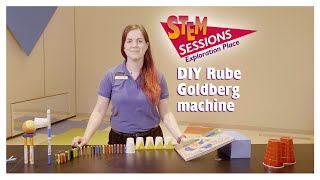
DIY Rube Goldberg machine | STEM Session
Facts about engineering and physics for kids
🧩 Rube Goldberg (1883–1970) was an American cartoonist whose wildly complicated inventions gave these machines their name.
🤯 Rube Goldberg machines are all about chain reactions — one tiny nudge can trigger dozens of clever steps in a row.
🛠️ Builders often use the six simple machines (lever, pulley, wheel & axle, inclined plane, wedge, screw) to create creative links and movements.
🧪 Teachers and students love these challenges because they turn physics and cause-and-effect into playful teamwork experiments.
🏆 There are contests and festivals around the world where teams compete to build the funniest, most elaborate machine to do a tiny task.
How do you make a simple Rube Goldberg machine at home?
What household materials do I need to build a Rube Goldberg machine?
What ages is building a Rube Goldberg machine suitable for?
What are the benefits of building Rube Goldberg machines?
