Make a pledge
Create and decorate a personal pledge card promising kind actions or environmental habits, then share and practice it with family or classmates.




Step-by-step guide to create a personal pledge card
🇺🇸Kids Books Read Aloud :Our pledge our promise, The pledge of allegiance explained, By Sheri Wall
Step 1
Choose whether your pledge will be about kindness or about caring for the environment.
Step 2
Cut a piece of paper or cardstock into a small card shape using scissors.
Step 3
Write a bright title at the top like "My Kindness Pledge" or "My Green Pledge."
Step 4
Write three short promises you can do, one promise per line.
Step 5
Draw a small checkbox next to each promise so you can mark when you do it.
Step 6
Decorate the card with colors stickers or drawings that match your pledge.
Step 7
Write today's date and sign your name at the bottom of the card.
Step 8
Show your finished pledge card to a family member or classmate.
Step 9
Ask that person to make their own pledge or to help you practice your promises.
Step 10
Do one of the promises from your card right now.
Step 11
Put a check mark in the box for the promise you just completed.
Step 12
Share your finished pledge card on DIY.org
Help!?
What can we use instead of cardstock, stickers, or special markers if we don't have them?
If you don't have cardstock, use folded printer paper or a piece of cereal-box cardboard for the card, use crayons or colored pencils instead of markers, safety scissors for cutting, and glue magazine cutouts or hand-drawn shapes in place of stickers.
What should we do if cutting the card or making the small checkboxes is too hard for my child?
If cutting a small card tears the paper or small checkboxes are hard to draw, trace a postcard-sized rectangle and cut with safety scissors, then draw larger checkboxes and have an adult write the three promises while the child decorates.
How can we adapt this pledge activity for different ages?
For ages 3–5 have an adult pre-cut the card, help write one simple promise and let the child decorate and check a single big box, for 6–9 let the child write three short promises, date and sign the card, and for 10+ encourage specific measurable promises and sharing the finished pledge on DIY.org.
How can we extend or personalize the pledge beyond the basic card?
To extend the activity laminate or cover the card with clear tape, add a sticker calendar or magnet on the back to track each promise, combine family members' cards into a pledge board, or photograph the decorated card to share on DIY.org.
Watch videos on how to create a personal pledge card
Our Pledge Our Promise: The Pledge of Allegiance Explained Read Aloud
4 Videos
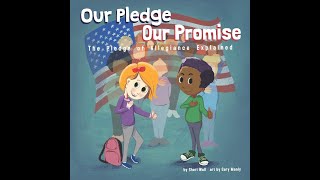
Our Pledge Our Promise: The Pledge of Allegiance Explained Read Aloud
PLEDGE OF ALLEGIANCE FOR CHILDREN | preschool, homeschooling, kindergarten, grade school
Pledge of Allegiance for Children preschool, home school, kindergarten, elementary, remote learning

Pledge of Allegiance Video for Kids | preschool, kindergarten, elementary, homeschool for kids
Facts about character education and environmental stewardship
🌱 Recycling aluminum saves about 95% of the energy needed to make new aluminum from raw materials.
🤝 Acts of kindness can boost happiness and lower stress by triggering feel-good brain chemicals like oxytocin and dopamine.
💌 People often keep physical cards and notes as keepsakes, so a handmade pledge card can become a lasting reminder.
🌍 Using a reusable water bottle or bag can prevent dozens to hundreds of single-use plastic items from ending up in the trash each year.
📣 Sharing a goal or pledge with family or friends increases accountability and makes people more likely to follow through.
How do I make a personal pledge card with my child to promise kind actions or environmental habits?
What materials do I need to create and decorate a pledge card?
What ages is this pledge card activity suitable for?
What are the benefits of making and sharing pledge cards with family or classmates?
