Make a Periscope
Build a simple periscope using cardboard, two mirrors, tape, and scissors to explore reflection and see objects around corners safely.


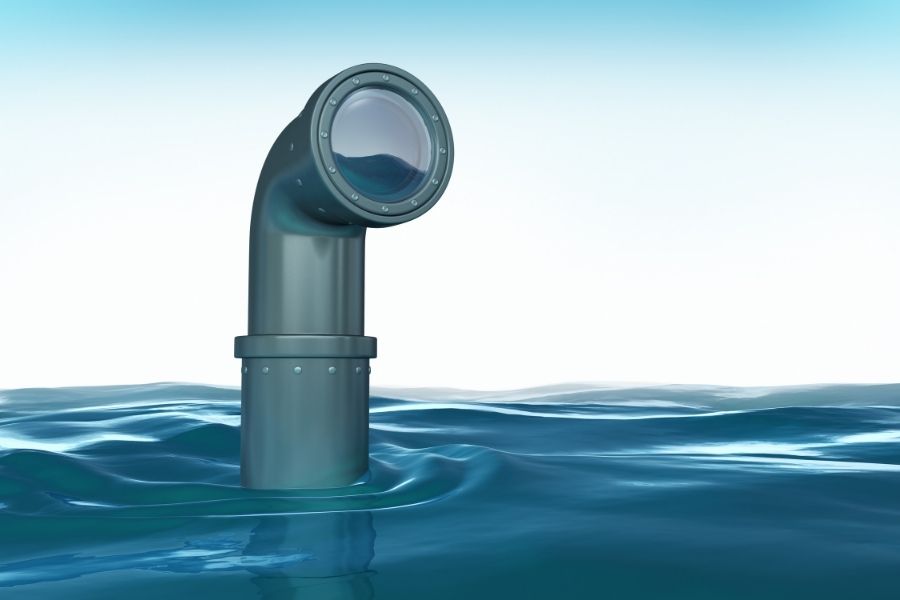

Step-by-step guide to make a periscope
Step 1
Gather all the materials listed and bring them to a flat workspace.
Step 2
Use the ruler and pencil to draw a rectangle about 30 cm long and 8 cm wide on the cardboard.
Step 3
Cut out the rectangle carefully with the scissors.
Step 4
Fold the rectangle lengthwise so the long edges meet and a tube shape forms.
Step 5
Tape the long seam to hold the tube together securely.
Step 6
Cut a square hole about 4 cm across near one short end on the top face of the tube.
Step 7
Cut a square hole about 4 cm across near the other short end on the opposite face of the tube.
Step 8
Slide the first mirror partway into the first hole so you can still move it.
Step 9
Tilt the first mirror so it sits at a 45 degree angle with the reflective side pointing into the tube.
Step 10
Tape the first mirror in place so it does not move.
Step 11
Slide the second mirror partway into the other hole so you can still move it.
Step 12
Tilt the second mirror so it sits at a 45 degree angle with the reflective side pointing into the tube and facing the first mirror.
Step 13
Tape the second mirror in place so it does not move.
Step 14
Look through one hole to check your periscope and ask an adult to help gently adjust a mirror if the view is not clear.
Step 15
Share your finished periscope creation on DIY.org
Help!?
What can we use instead of small mirrors if they are hard to find?
Use pieces of shiny aluminum foil pressed flat or reflective Mylar from an emergency blanket cut to the 4 cm square size and taped into the mirror holes as substitutes for the mirrors.
Why can’t I see clearly through the periscope after taping the mirrors?
A blurry or off-angle view usually means one or both mirrors aren't at a 45 degree tilt or are facing the wrong way, so loosen the tape, nudge each mirror until the reflective side points into the tube and the reflected image lines up, then retape the mirrors.
How can I adapt this periscope activity for different age groups?
For younger kids have an adult pre-cut the 30 cm by 8 cm cardboard rectangle and the 4 cm holes and let them fold, tape, and slide the mirrors with help, while older kids can measure with the ruler, cut the pieces themselves, and experiment with precise 45° mirror placement.
How can we personalize or improve the periscope after finishing it?
Decorate the outside with markers or colored paper, reinforce the long seam with extra tape for sturdiness, and improve the view by using slightly larger mirrors or lengthening the tube for a higher vantage point.
Facts about optics and reflection for kids
🔭 Periscopes use two mirrors to bounce light so you can see around corners or over obstacles.
🪞 A flat mirror reflects light at the same angle it arrives — called the angle of incidence equals the angle of reflection.
🚢 Periscopes were essential on submarines during World Wars I and II for safe observation above water.
✂️ You can build a working cardboard periscope in about 15–30 minutes using two small mirrors, tape, and scissors.
👀 A basic periscope doesn't magnify; it only redirects your view — to zoom you'd need lenses.
How do you build a simple cardboard periscope to see around corners?
What materials are needed to make a periscope?
What ages is making a periscope suitable for?
What are the benefits, safety tips, and variations for a cardboard periscope?
